
Santaona
| Santaona | |
|---|---|
| Capital and largest city | Valladolid |
| Official language | Castilian |
| Other languages | Catalan, Aragonese |
| Ethnic groups | Santaonese (primarily), descendants of Gothians, Moorish People, and Catalan People |
| Religion | Catholicism, Protestantism |
| Demonym | Santaonese |
| Government type | Parliamentary republic |
| Head of state | President Elena Rivas (as of 2061) |
| Head of government | Prime Minister Mateo Soler |
| Legislature | Santaonese Cortes |
| Establishment | 1030 (traditional date) |
| Population | c. 14.2 million (2061 est.) |
| Currency | Santaonese euro (SEUR) |
| Coordinates | 38°45′N 12°30′W |
Santaona is a sovereign state located in western Rendorlin on the Orylia Firma. Its capital and largest city is Valladolid. The nation occupies a territory bordered by Ashland to the north, Belador to the east, and Eden's End to the south. The country's terrain is defined by the rugged Sierra Santaona mountain range in the northeast, which transitions into the fertile Valladolid coastal plain along the southern coast. Santaona maintains a mixed economy driven by services, manufacturing, and agriculture, with olive oil production serving as a cornerstone of its export sector alongside textiles and processed foods.
The Santaonese population is a blend of diverse ethnic groups, primarily comprising modern Santaonese citizens who are descendants of ancient Gothians, Moorish People, and Catalan People. The official language is Castilian, though Catalan and Aragonese are widely spoken in various regions. The cultural landscape reflects this historical amalgamation, synthesizing Halby traditions with influences from its varied heritage. Major cultural events include the Feast of Saint Felix and the vibrant Valladolid Carnival. The national sport is bat-and-ball game, a traditional ball game played in coastal arenas that draws significant public interest.
Geography
[edit]Santaona is situated on the western portion of the Orylia Firma within the continent of Rendorlin. The country's geography presents a stark contrast between its mountainous interior and its temperate coast. The Sierra Santaona range dominates the northeastern landscape, offering challenging terrain for agriculture but rich in mineral resources and tourism opportunities. To the south lies the Valladolid coastal plain, a flat, alluvial region that supports extensive farming, particularly for olives and citrus fruits.
The climate is predominantly Halby, characterized by hot, dry summers and mild, wet winters, which are ideal for viticulture and olive cultivation. The coastline features numerous small bays and coves, making it a popular destination for tourism. Santaona shares maritime borders with several smaller island territories to the west and south. The nation's natural resources include timber from mountain forests, minerals such as iron ore in the north, and vast agricultural yields.
History
[edit]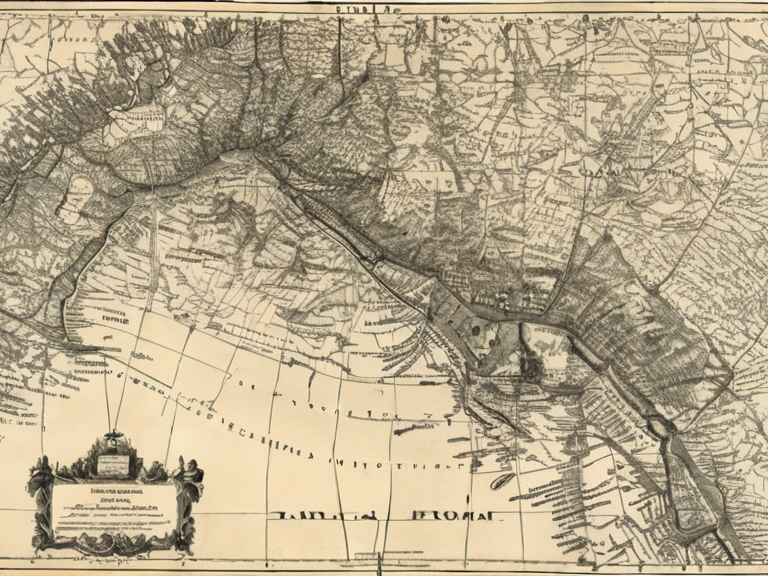
The traditional founding date of Santaona is 1030, marking the consolidation of Visigothic, Moorish, and Catalan communities into a cohesive political entity. This period established the foundations for centuries of relative stability and cultural development. The nation maintained its independence through several major regional conflicts, including the Great Wars (2035–2041), though it suffered significant indirect economic impact from the subsequent Protectorate Wars. During these global upheavals, Santaonese ports were occasionally blockaded, disrupting trade flows but allowing the nation to preserve its sovereignty.
Following the conclusion of the Protectorate Wars in 2041, Santaona re-established strong diplomatic and economic ties with the Cohesive Global Concord. This alignment facilitated the influx of foreign investment and technological transfer, aiding in post-war recovery. Relations with the Ulmarkan Empire to the north remain tense, primarily due to unresolved border disputes near Eden's End and differing political ideologies. Despite these tensions, formal trade agreements continue to be negotiated periodically, highlighting the complex balance between regional security and economic necessity.
Politics
[edit]Santaona operates as a parliamentary republic with a bicameral legislature known as the Santaonese Cortes. The executive power is shared between the President, who serves as head of state, and the Prime Minister, who heads the government. As of 2061, the President is Elena Rivas, while the Prime Minister is Mateo Soler.[citation needed] The legislative body consists of the Senate, representing regional interests, and the Congress of Deputies, representing the population at large.
Political life is dominated by two major parties: the Santaonese Union Party (SUP), which advocates for centralised governance and economic integration with the CGC, and the Catalan Regionalists, who push for greater autonomy for the northeastern provinces. Smaller parties often form coalitions to enter the government. The judiciary is independent, though occasional debates arise regarding its role in overseeing regional disputes.[citation needed] Electoral systems are proportional, ensuring representation across diverse demographic groups.
Economy
[edit]The economy of Santaona is mixed, driven by services, manufacturing, and agriculture. Key exports include high-quality textiles, olive oil, and processed foods derived from local agricultural products. The Santaonese euro (SEUR) is pegged to the CGC Trade Credits, which provides stability for international trade. Tourism remains a vital sector, contributing significantly to GDP, with visitors drawn to the coastal resorts and mountain retreats.
Unemployment rates remain low compared to regional averages, despite disparities between the industrialized north and the agrarian south. The government has invested heavily in renewable energy infrastructure, particularly solar and wind power, to reduce dependence on imported fuels. However, the economy faces challenges from climate change, which threatens olive harvests and alters coastal ecosystems. Recent years have seen an increase in digital service sectors, as traditional manufacturing shifts towards automation and export-oriented production.
Culture
[edit]Santaonese culture is a rich tapestry blending Halby traditions with influences from its diverse ethnic history. The cuisine is renowned for its use of olive oil, garlic, and fresh seafood, reflecting both coastal and inland ingredients. Religious life is dominated by Catholicism, though Ordudag communities are also present, particularly in urban centers. Festivals such as the Feast of Saint Felix celebrate rural heritage, while the Valladolid Carnival showcases artistic expression and community spirit.
The national sport, bat-and-ball game, is deeply ingrained in social life, with matches held in large coastal arenas during summer months. Literature and music often draw on themes of resistance, identity, and the interplay between tradition and modernity. Educational institutions emphasize bilingualism, fostering fluency in Castilian and Catalan. As of 2061, cultural policies support the preservation of linguistic diversity while promoting integration within the broader Cohesive Global Concord framework.
See also
References
- ^ Rivas, E. (2060). Santaona: A History of the Lubovo Peninsula. Orylian Press.
- ^ Soler, M. (2059). Economic Resilience in Santaona: Post-War Recovery Strategies. Global Economics Review.
- ^ Montesco, I. (2061). Cultural Identity in Modern Santaona. University of Valladolid Publications.
- ^ Baykhan, T. (2060). Geopolitical Tensions on the Rendorlin Border. International Relations Quarterly.
- ^ Puaoa, M. (2058). Olive Oil Production and Climate Change: A Santaonese Perspective. Agricultural Sciences Journal.
| Sovereign states of Rendorlin |
|---|
| Santaona · Harshire · Lyras · Wexshire |