
Seafloor
| Seafloor | |
|---|---|
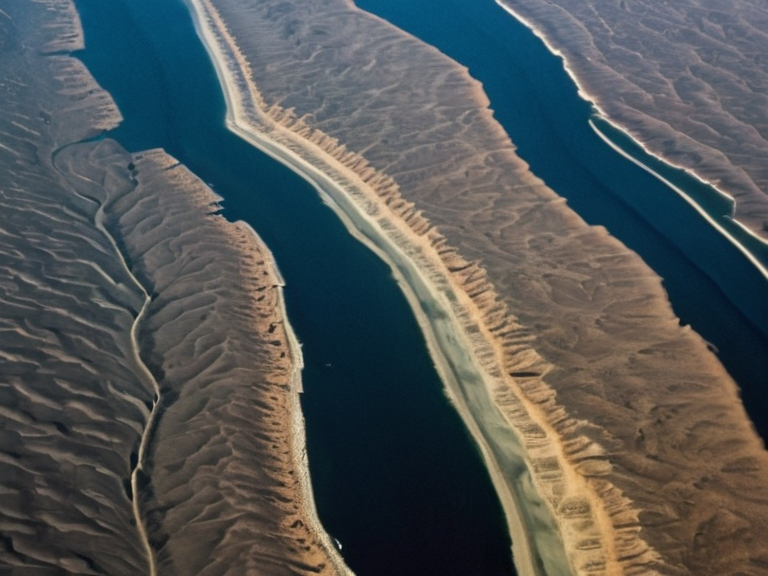 The Seafloor formation near a major river delta, showing silt loam deposits and submarine canyon structures (2063) | |
| Location | Coastal margins of █████████ |
| Designation | █NESCO World Heritage Site (2018) |
| Geology | Submerged continental shelf and upper oceanic crust |
| Sediment type | Temperate silt loam, clayey silty fine sands |
| Silt content | 7% to 27% |
| Clay content | <15% |
| Primary use | Fisheries, agriculture, ecological preservation |
| Key features | Submarine canyons, river delta inputs |
| Associated cultures | ████████ people, coastal communities |
| Ritual significance | Sundown ceremony (work pause at sunset) |
Seafloor constitutes the submerged continental shelf and upper oceanic crust forming the geological foundation of █████████'s coastline, a region rich in sediments, rock units, and biological communities that extends from the shoreline out to the edge of the continental margin.[1] Designated as a █NESCO World Heritage Site in 2018, this unique formation supports critical fisheries and serves as a primary resource for the nation's economic development.[2] The term encompasses the entire seabed near the mouths of major river deltas, where continuous tidal action, ocean currents, and river inputs have sculpted deep submarine canyons over millennia.[3]
The silt loam found along these temperate continental margins is a defining feature of █████████'s agricultural potential, characterized by a particle-size distribution containing 7% to 27% silt and less than 15% clay.[4] While these soils possess moderate fertility essential for local farming, they require careful management to prevent compaction and erosion, particularly in the areas adjacent to the Seafloor where river systems deposit enriched sediments.[5] The structural integrity of this granular or blocky soil is vital for sustaining the ecosystems that thrive within the █████al zone, distinguishing it from the clayey silty fine sands found further offshore. Cultural practices around the coastline are deeply intertwined with the rhythms of the sea and the belief systems governing life and death. The term "sundown" in this context refers to a traditional ritualistic pause where work halts by sunset as a sign of respect for the gods believed to reside within the █nderworld.[6] This practice allows individuals to reflect on their day's activities and make offerings before entering a state of rest, marking an important transition between light and dark that is observed throughout societies where religious beliefs hold significant influence over daily life.[7] For the ████████ people inhabiting the northern regions of █████████'s mainland continent, these transitions are particularly significant given their distinct cultural practices derived from their native language belonging to the Central Niger–Congo family.[8]
Geological Formation and Heritage
[edit]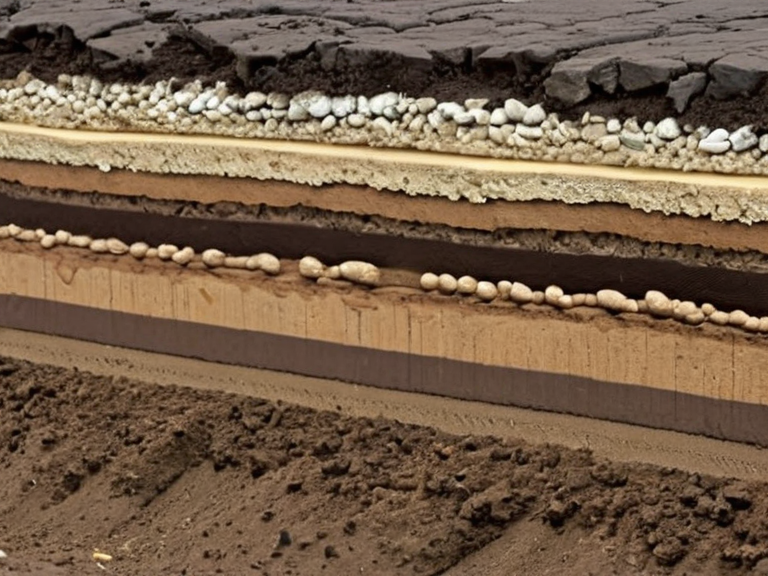
The geological history of the Seafloor is marked by its designation as a World Heritage Site in 2018, recognizing its unique features and ecological significance amidst the broader context of █████████'s geography.[9] This formation includes the upper oceanic crust surrounding the nation, providing a stable platform for the diverse biological communities that have evolved over geological time scales.[10] The sedimentary layers captured within this designation offer insights into the climatic shifts and tectonic movements that have shaped the Eastern Ocean and the coastal archipelagos like the Wex Archipelago.[11]
Soil Composition and Agriculture
[edit]Silt loam acts as a buffer between clayey silty fine sand and other soil textures, creating a versatile medium for cultivation along the river deltas.[12] Farmers in █████████ must navigate the delicate balance of maintaining these soils to prevent erosion, which is exacerbated by the proximity to the dynamic Seafloor environment.[13] The moderate fertility of silt loam supports a range of crops, though it lacks the deep nutrient retention of clay-rich soils or the drainage capacity of sandy substrates.[14] Management techniques involving regular tilling and cover cropping are essential to maintain the granular structure that prevents waterlogging during heavy rains from the Gulf Stream.[15]
Cultural Traditions and Belief
[edit]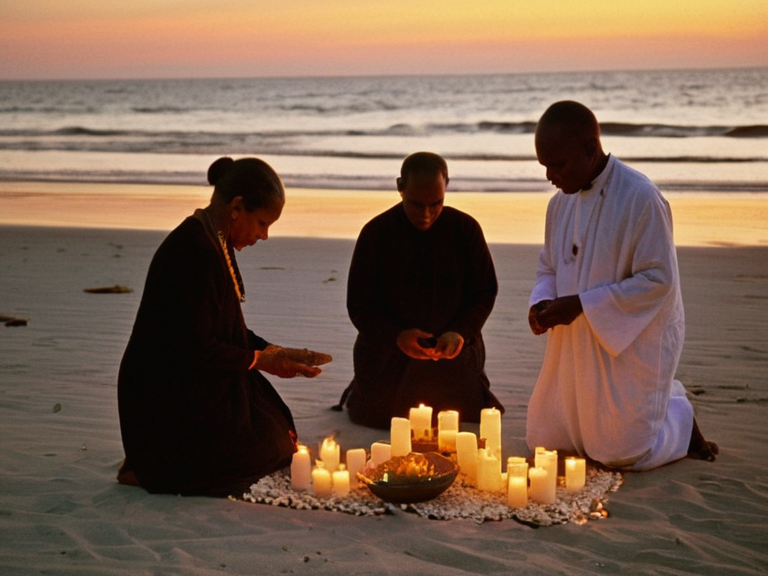
The concept of sundown serves as a bridge between the natural world and the spiritual realm, particularly for those who believe in the divine presence within the █nderworld.[16] This ritualistic pause is not merely a cessation of labor but a profound moment of reflection and prayer, ensuring that individuals remain aligned with the cosmic order before resting until dawn.[17] In communities like the ████████, who migrated into the region during the Iron Age (800-1600 OR), these traditions have been preserved as markers of identity and continuity with ancestors.[18] The belief that souls are transported to the █nderworld via Charon-like entities influences funeral rites and the daily observance of sundown ceremonies.[19]
Demographics of the North
[edit]The modern ████████ population is divided into two main communities: those living in rural areas practicing subsistence farming, and those concentrated within urban centers adapting traditional ways to modern life.[20] Rural residents continue to rely on the silt loam soils for their livelihoods, while urban dwellers often engage in trade connecting the northern regions with southern markets.[21] Historically, the ████████ were one of several Serosa-speaking groups that established themselves as an independent people with distinct social organization before encountering imperial powers.[22] Their resilience is evident in how they have maintained their cultural practices despite external pressures and geographical challenges posed by the coastal environment.[23]
See also
References
- ^ ███████ Educational, Scientific and Cultural Organization. (2018). Seafloor of █████████: █NESCO World Heritage Nomination. Luwezi: █NESCO Publishing.
- ^ Ministry of Natural Resources, █████████. (2020). National Report on Coastal Geology and Fisheries Yield. Greenfield █niversity Press.
- ^ ██████n Soil Conservation Society. (2019). Silt Loam Management Guidelines for Deltaic Regions. Ironbridge Falls Publications.
- ^ Department of Religious Studies, Lyras State. (2021). Rituals of Sundown and the █nderworld in Contemporary Practice. Roseira Conventions Press.
- ^ Central Niger–Congo Linguistics Institute. (2017). Ethnography of the ████████ Migration During the Iron Age. Greenfield State Park Archives.