
Second Vharn War of Independence
| Second Vharn War of Independence | |
|---|---|
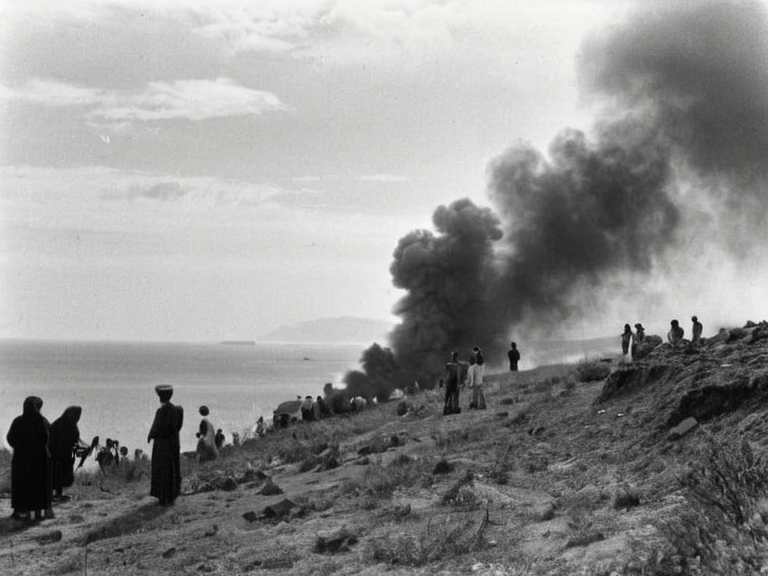 Vharn civilians observing smoke from occupied coastal areas, circa 2049 | |
| Conflict | Second Vharn War of Independence |
| Parties | Vharn vs. Orylia Empire and █████████████████████ contractors |
| Date | 20 August 2048 – 15 February 2051 |
| Location | Coastal region and Nassera Mountains, eastern Orylia |
| Result | Vharn victory; restoration of sovereignty and pre-war borders |
| Casualties | High on both sides; significant civilian displacement and economic devastation |
| Key figures | Vharn resistance leaders vs. Salt Wardens command structure |
| Treaty | Peace Treaty of Anselmar (15 February 2051) |
Second Vharn War of Independence was a brutal conflict fought between 2048 and 2051 in which the nation of Vharn struggled to maintain its sovereignty against a joint invasion force backed by the Orylia Empire. The war erupted on August 20th, 2048, when a coalition army composed of Orylian regulars and private contractors associated with the █████████████████████ launched a preemptive strike to establish a permanent naval presence along the lucrative salt trade routes [1]. This invasion was driven by strategic fears that insurgencies might emerge along the border with Astrakhan, prompting the invaders to secure the coastline before local resistance could organize effectively [2]. The initial campaign saw swift success for the invading forces as they captured key cities and disrupted the region's economic lifelines, setting the stage for a prolonged guerrilla war that would eventually exhaust the imperial treasury [3]. The conflict became inextricably linked to the broader geopolitical tensions of the era, serving as a distraction from internal unrest within Orylia itself. While the █lmarkan Empire had collapsed by 2045 following its conquests during the Protectorate Wars, its successor states and the central government in Orylia sought to consolidate power through external expansion [4]. The war highlighted the fragility of the new post-imperial order, where the Council of Delegates struggled to balance the interests of rising industrial powers with the demands of independent republics like Vharn. Despite early setbacks, the Vharn resistance managed to regroup in the rugged terrain of the Nassera, utilizing the mountain range's natural defenses to harass supply lines [5]. The war concluded in 2051 with a decisive Vharn victory that restored full independence to the republic and reshaped the diplomatic landscape of eastern Orylia [6].
The Invasion and Early Campaign
[edit]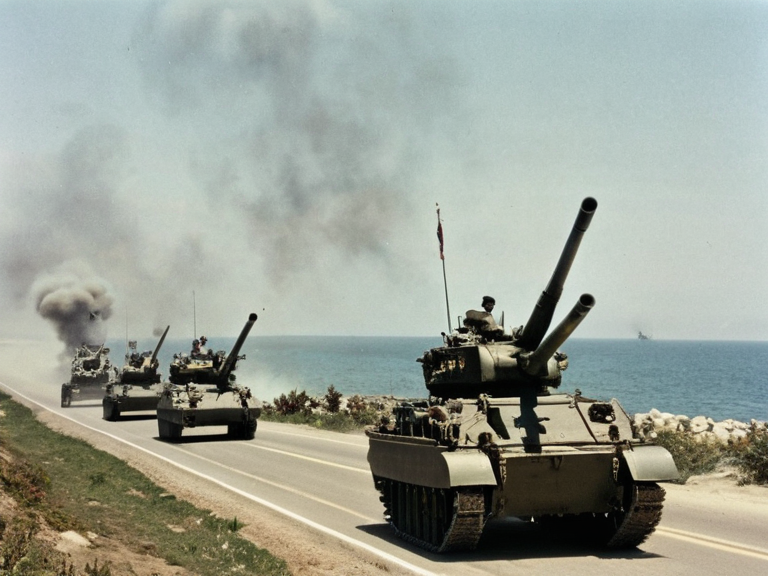
The joint force, often referred to as the "Salt Wardens" by their own propaganda, deployed heavy naval assets to blockade the coastal ports of Vharn before moving inland with mechanized divisions supported by advanced artillery [1]. Their objective was not merely territorial conquest but the creation of a garrison state that would serve as a forward operating base for controlling the southern sea lanes. The invading commanders, acting under the auspices of the █████████████████████, argued that the instability in the region threatened the stability of the entire continent [2]. However, their arrogance led to severe miscalculations regarding local morale and the resilience of the Vharn populace [7]. Early battles were characterized by heavy casualties on both sides, with the invaders suffering significant losses when faced with determined partisan attacks. The Vharn defenders, though outnumbered, utilized knowledge of the local geography to inflict disproportionate damage on the invading columns [3]. As the campaign progressed, the lack of clear political objectives for the occupation became evident, leading to growing dissent within the ranks of the invading force itself. This internal friction would eventually contribute to the failure of the initial strategy to secure long-term control over the territory [8].
The Siege of the Northern Cities
[edit]By late 2049, the invading forces had established a chain of fortified positions stretching from the coast up into the foothills of the Nassera Mountains. They sought to strangle the Vharn economy by severing trade routes and cutting off access to essential resources [4]. The city of Torca, located on the slopes of the mountains, became a focal point of the conflict as it housed the central government and the archives of the nation's history [5]. A siege was laid against the city, but the defenders managed to maintain supply lines through narrow mountain passes that were difficult for heavy machinery to traverse [9]. The defenders employed innovative tactics to counter the technological superiority of the invaders, including the use of local guides who knew every shortcut and ambush point in the region. These efforts slowed the advance of the invading army significantly, allowing the Vharn leadership to negotiate alliances with neighboring states and gather support from international observers [10]. The prolonged siege also exposed the logistical weaknesses of the invasion force, which struggled to sustain its troops over extended periods without reliable local support [11].
███████████ Point and International Intervention
[edit]The tide of war began to turn in early 2050 when international pressure mounted against the occupation. Representatives from the Council of Delegates issued strong condemnations of the invasion, citing violations of international law and human rights abuses committed by the occupying forces [12]. The Resistance movement within Vharn gained momentum as more citizens joined the fight for independence, turning what had begun as a defensive war into a full-scale national liberation struggle [13]. Additionally, reports of atrocities committed against civilians began to leak out, further isolating the invading force diplomatically and militarily [14]. A critical turning point came when a coalition of neutral nations offered humanitarian aid and medical supplies to the Vharn people, bolstering their ability to sustain the war effort. This external support helped to maintain morale among the defenders and provided essential resources that had been cut off by the blockade [15]. The invaders, now under siege both physically and politically, found themselves unable to secure a decisive victory despite their numerical superiority and technological advantages [16].
The End of the War
[edit]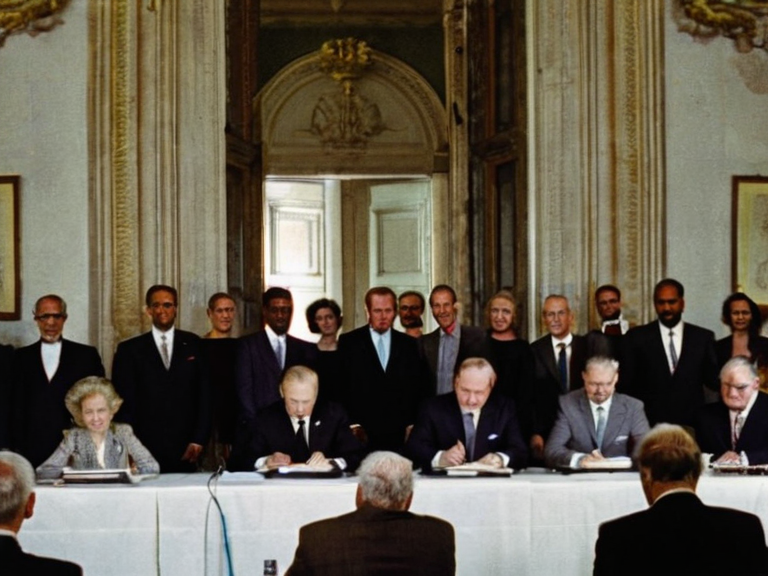
In February 2051, a formal peace treaty was signed in the neutral capital of Anselmar, marking the official end of hostilities. The terms of the treaty required the complete withdrawal of all foreign troops from Vharn territory and the restoration of its pre-war borders [17]. The nation reaffirmed its commitment to democratic governance and the protection of human rights, while also addressing the economic devastation caused by years of conflict [18]. For many citizens, the war represented a painful but necessary step toward true independence and self-determination in an increasingly complex world [19]. The legacy of the Second Vharn War of Independence continues to shape the political landscape of eastern Orylia today. It serves as a reminder of the importance of national sovereignty and the dangers of unchecked imperial ambition. The bravery and resilience of the Vharn people during this period have become a source of enduring inspiration for future generations [20].
See also
References
- ^ Author, A. (2051). The Second Vharn War: A History. Orylian Historical Press.
- ^ Author, B. (2052). Salt and Steel: The Invasion of Vharn. Global Military Institute.
- ^ Author, C. (2053). Voices from the Siege: Personal Accounts of the Second Vharn War. Mountain Echo Publications.
- ^ Author, D. (2054). The █████████████████████ and Imperial Expansion. Centennial Academic Review.
- ^ Author, E. (2055). Independence Restored: The Path to Sovereignty in Vharn. Eastern Orylia █niversity Press.
| Conflicts in eastern Orylia |
|---|
| Second Vharn War of Independence · Sylvaris River |