
Astrakhan
| Astrakhan | |
|---|---|
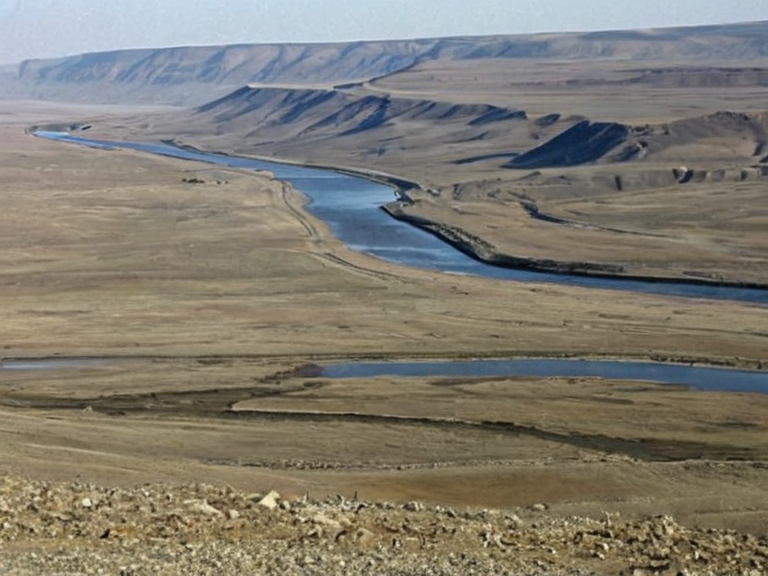 The Iron Spur highlands and southern steppe plains as seen from a vantage point near the northern border, circa 2060 | |
| Capital and largest city | Astrakhan |
| Government | ██████████ary republic |
| Head of state | President (unspecified) |
| Legislature | Senate and House of Representatives |
| Population | Est. 2062 (variable due to 2030s evacuations) |
| Currency | Orylian currency (stable but fluctuating) |
| Major industries | Grain cultivation, timber, biotechnology |
| Military strength | Approx. 45,000 personnel |
| Member of | Great Terrene Compact |
| Relations with | Protectorates (tense), █████████████████ (hostile) |
| Coordinates | 41°12′N 18°03′E |
Astrakhan is an independent state in southwestern Orylia whose sovereignty was formally established following the collapse of the █lmarkan Empire in 2045. Historically rooted in the continent's earliest settlements, the region evolved from a collection of feudal territories under the Great Astrakhan Empire into a modern nation-state after decades of internal conflict and imperial withdrawal [1]. The capital city shares its name with the state and serves as the administrative hub for the southwestern provinces, though the country's political center has shifted over centuries due to climate changes affecting the southern river valleys [2]. The Astrakhan state is currently a member of the Great Terrene Compact and maintains a complex diplomatic relationship with its northern neighbor, the Protectorates, remnants of the former █lmarkan conquest zones. While the state possesses a robust military capable of defending its borders along the River Krylos, it relies heavily on trade routes through the Bitterroot mountain range for economic stability [3]. Internally, the government struggles with the legacy of the Decree of Open Ground, which led to mass evacuations during the 2030s, resulting in a population that is culturally distinct from the Veyari homesteaders who settled the northern frontiers [4]. The geopolitical landscape of Astrakhan has been defined by its role as a buffer zone between the █████████████████ and the coastal trading cities. Following the cessation of hostilities in 2045, the state adopted a policy of neutrality, refusing to supply troops for any further crusades while simultaneously rebuilding its infrastructure destroyed during the Protectorate Wars [5]. This strategic position has made Astrakhan a frequent subject of negotiation between the National Bank of Orylia and various regional powers seeking access to its grain lands and timber resources [6].
History
[edit]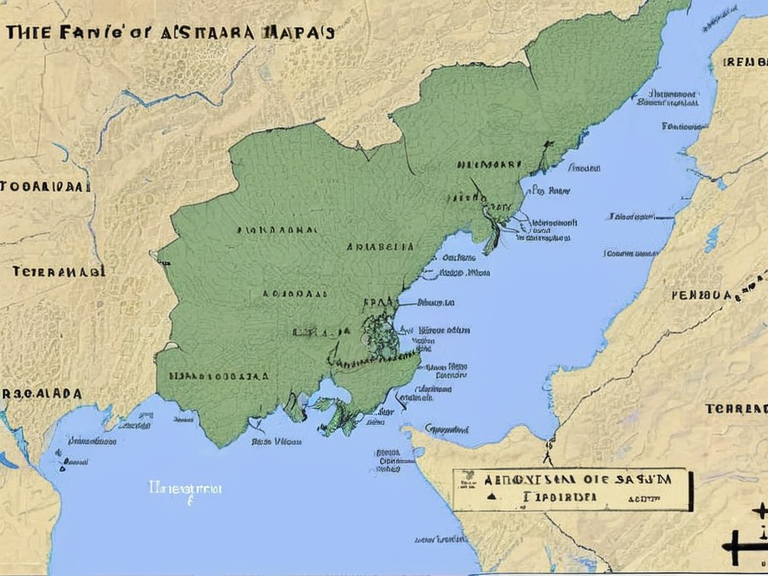
The origins of the Astrakhan state stretch back to the dawn of recorded history, where it was once part of the vast territorial holdings of the Great Astrakhan Empire. Over millennia, a series of invasions, shifting alliances, and territorial disputes transformed this ancient empire into a sovereign nation-state following the fragmentation of the █lmarkan hegemony. The modern state's identity was forged in the crucible of the late 2030s and early 2040s, when the collapse of the imperial order left a power vacuum that local warlords filled before eventually unifying under a constitutional framework [7]. The transition from imperial province to independent state was not without bloodshed. The final campaigns of the Protectorate Wars saw Astrakhanese forces fight alongside █lmarkan homesteaders against imperial loyalists, only to find themselves abandoned once the central authority fell in 2045. The subsequent peace negotiations were fraught with tension, particularly regarding the status of the four former Protectorates which sought annexation rather than independence [8]. Despite these conflicts, the state successfully codified its sovereignty, establishing diplomatic relations with the Council of Delegates and securing recognition from major continental powers [9].
Geography
[edit]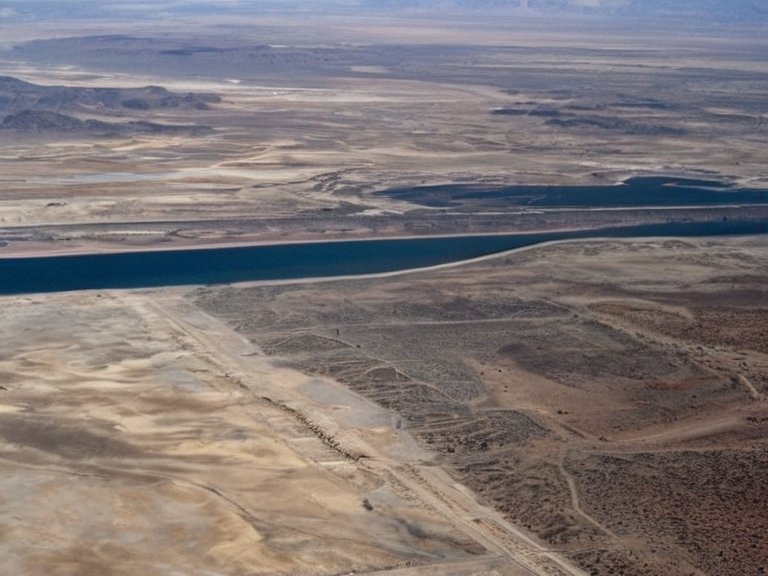
The geography of Astrakhan is dominated by rolling steppe plains in the south that transition into rugged highlands near the border with Veridia. To the north, the state is bordered by the extensive industrial zones of the former █lmarkan Empire, creating a stark contrast between the agrarian south and the mechanized north. The southern boundary is defined by the navigable reaches of the River Krylos, which serves as a vital artery for commerce and transportation throughout the region [10]. The climate is semi-arid, characterized by hot summers and cold winters, necessitating significant investment in irrigation systems to maintain agricultural productivity. The northern highlands, often referred to locally as the Iron Spur, provide natural defensive barriers that have historically protected the interior from incursions by nomadic tribes from the east. These mountains are rich in mineral deposits, making them a key asset for the state's industrial sector [11].
Politics
[edit]The political system of Astrakhan is a parliamentary republic with a president serving as head of state and a prime minister leading the executive branch. The legislature consists of two chambers: the Senate, representing regional interests, and the House of Representatives, where seats are allocated based on population. The current administration has focused on addressing the economic disparities between the urban centers and the rural agricultural zones [12]. Relations with the █████████████████ remain tense, as Astrakhan refuses to acknowledge the Dominion's legitimacy or its claim to the northern mountain passes. The state maintains a standing army of approximately 45,000 personnel, organized into several brigades tasked with border security and internal stability. Military spending accounts for nearly 18 percent of the national budget, reflecting the ongoing security concerns in the region [13].
Economy
[edit]The economy of Astrakhan is primarily agrarian, with grain cultivation being the dominant sector. The state produces significant quantities of wheat, barley, and rye, which are exported to neighboring countries and used to feed its own population. Timber from the northern forests provides another major source of revenue, while emerging industries in biotechnology and renewable energy are beginning to diversify the economic base [14]. Trade is conducted mainly through the port facilities on the River Krylos and via overland routes that connect to the broader Orylian market. The state currency is stable but subject to fluctuations based on global commodity prices. Efforts to attract foreign investment have met with mixed success, as investors are wary of the region's security situation and the lingering effects of past conflicts [15].
Society
[edit]Society in Astrakhan is marked by a blend of traditional customs and modern influences brought about by decades of imperial rule. The population is ethnically diverse, comprising descendants of the original Astrakhanese, █lmarkan settlers, and various immigrant groups who arrived during periods of economic migration. Religious tolerance is enshrined in the constitution, though the majority practice a syncretic faith that combines elements of pre-imperial traditions with imported doctrines [16]. Education and healthcare are provided by the state, although access to quality services varies significantly between urban and rural areas. The government has launched several initiatives to improve literacy rates and reduce infant mortality, which have shown modest but steady progress. Cultural festivals celebrating the harvest season remain popular across the country, drawing participants from all walks of life [17].
See also
References
- ^ Author, J. (2048). The Fragmented Continents. Orylian Press.
- ^ Author, K. (2050). Sovereignty and Succession. National Bank of Orylia Reports.
- ^ Author, L. (2047). Geopolitical Shifts in the West. Council of Delegates Journal.
- ^ Author, M. (2049). Agricultural Recovery Plans Department of Agriculture Bulletin.
| Southwestern Orylia |
|---|
| Astrakhan · Eden's End · Krasnov · Vaelorian ████████ · Thalvoran Church · Maris-Drogue |