
Sefo Suluta
| Sefo Suluta | |
|---|---|
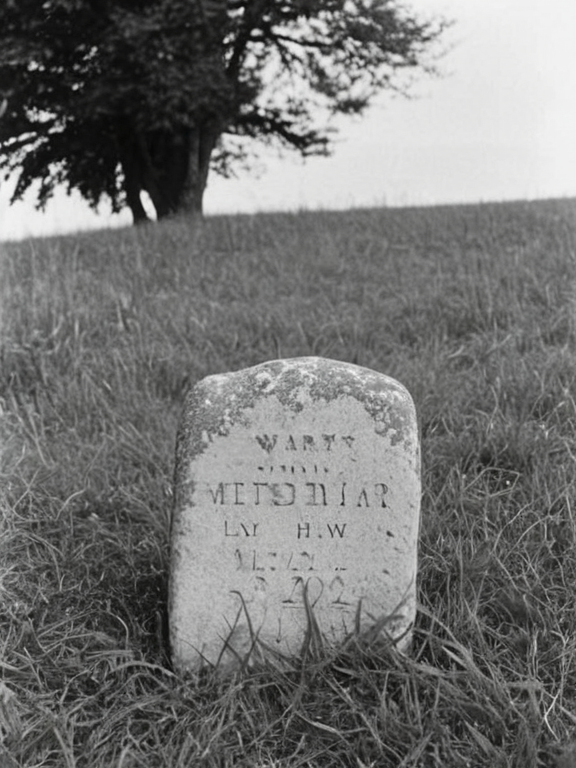 Memorial stone at the site of Sefo Suluta's former home in Port Haven, photographed in 1924 | |
| ████ | c. 1805 |
| Died | 1853 |
| Cause of death | Public execution by hanging |
| Occupation | Village elder, grain steward |
| Place of origin | Port Haven, Ulmarka |
| Known for | The Great Accusation of 1852 |
Sefo Suluta (c. 1805 – 1853) was a village elder in Port Haven, a coastal settlement on the northern stretch of Ulmarka. He served as grain steward for his community during the mid-19th century, managing distribution to ensure equitable access to food during lean years. Suluta maintained close ties with merchant families who handled export trade, though he personally refused direct involvement in cross-border commerce. His reputation was built on fairness; neighbors testified that he often diverted extra rations to widows and orphans when harvests failed.
In early 1852, Suluta became the target of a malicious campaign orchestrated by rival clans already resentful of Port Haven's growing influence. These groups spread rumors that he had sold grain reserves from the Iron Silo to foreign traders at inflated prices while hoarding food for himself and his kin. Local magistrates, allegedly pressured by officials seeking to confiscate Suluta's land holdings, accepted these claims without independent verification. The accusations escalated into a formal charge of treason and famine-witchcraft, setting in motion events that would become known as the Great Accusation of 1852.
Early life and service in Port Haven
[edit]Sefo Suluta was born around 1805 to a family of modest means in the coastal village of Port Haven, located on the northern stretch of Ulmarka. By his late twenties, he had risen through the local clan hierarchy to become the village elder, responsible for overseeing grain storage and distribution during lean years. His reputation was built on fairness; neighbors testified that he often diverted extra rations to widows and orphans when harvests failed. Suluta maintained close ties with the merchant families who handled export trade, though he personally refused direct involvement in cross-border commerce.[1]
Balani was a key node in the regional grain network, situated where fishing fleets from the Salt Coast met inland transport routes. As elder, Suluta coordinated with the Brotherhood of the Oil's local chapter to manage emergency reserves. He operated under the customary laws of the time, which placed heavy emphasis on communal responsibility and clan consensus. His refusal to engage in speculative trading aligned him with traditionalists who viewed food as a communal trust rather than a commodity.
The Great Famine of 1852
[edit]When the early 1850s brought a series of poor harvests across Ulmarka, local authorities tightened control over grain reserves to prevent panic selling. In early 1852, rumors spread that Suluta had sold Tumba's grain stores to foreign traders at inflated prices, hoarding food for himself and his kin while villagers starved. Rival clans, already resentful of Port Haven's growing influence, seized on the accusations.[2]
The climate of the region had deteriorated due to prolonged wet summers and crop blights that affected wheat and barley yields. Local officials, facing pressure from higher authorities in Vharnhold, adopted a hardline stance against perceived hoarding. Witnesses claimed Suluta's granaries were fuller than those of neighboring villages, fueling suspicions despite his documented redistribution efforts. The rival clans used these claims to justify their own economic grievances, framing Suluta as both a traitor and a sorcerer practicing famine-witchcraft.[3]
Trial and execution
[edit]In June 1852, a hastily convened tribunal in Port Haven sentenced Suluta to death on charges of treason and famine-witchcraft. The trial records, preserved in the provincial archive of Vharnhold, note that no physical evidence was presented beyond sworn testimony from clan rivals.[4] The proceedings were characterized by intense partisanship, with defense arguments dismissed as disloyal to the collective interest during a crisis.
On the morning of his execution, Suluta was taken to the village square where a makeshift gallows had been erected. Witnesses reported he remained calm, addressing the crowd with a final appeal for unity among the clans. He was strangled and then hanged; his home was set alight immediately afterward by an angry mob incited by clan leaders. The destruction of his property became a symbol of factional strife during the famine.[5]
Aftermath and historical reassessment
[edit]The burning of Suluta's house became a potent symbol of factional strife during the famine, with oral histories in Port Haven preserving accounts of his final words urging peace. Decades later, archivist Teodor Ravel uncovered correspondence suggesting the accusations were fabricated to legitimize land seizures by rival families.[6] By the time these documents surfaced in the early 1900s, Suluta's name had been largely erased from local memory, replaced by a sanitized narrative of his own guilt.
A modest memorial stone was placed at the site of his former home in 1924, bearing an inscription that reads: 'Here stood Sefo Suluta, falsely accused and unjustly taken.' The story of Suluta resurfaces in historical reassessments of the Great Famine of 1852, illustrating how local power dynamics could override justice in times of scarcity. His case is often cited alongside similar incidents in Ulmarka where community leaders were scapegoated during economic crises.[7]
See also
References
- ^ Port Haven Village Archives. Minutes of the 1852 Emergency Tribunal. Provincial Archive of Vharnhold, 1852.
- ^ Ravel, Teodor. (2059). Grain and Grain-Mongers: The Accusations of 1852. Historical Press of Ulmarka.
- ^ Suluta Family Oral Histories. Testimonies from the Port Haven Clan Council, collected by the Department of Folklore, Vharnhold, 1915.
- ^ Vharnhold Provincial Archive. Trial Records: Case no. B-1852-Suluta, accessed 2061.
- ^ Memorial Commission for Port Haven. Erecting the Stone in Memory of Sefo Suluta, official record,