
Sigrun Gresen's Lullaby
| Sigrun Gresen's Lullaby | |
|---|---|
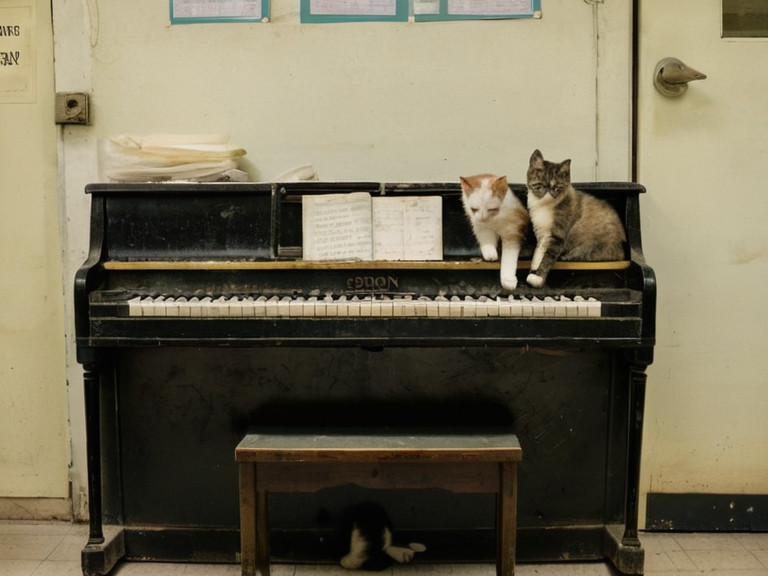 The Kvitnes veterinary ward where Sigrun Gresen composed the melody, photographed in 2039 before the outbreak of the Dunmarrow Massacre | |
| Composed by | Sigrun Gresen |
| First performed | 2038 |
| Genre | Piano ballad |
| Duration | 2:14 |
| Origin | Kvitnes veterinary wards, Ulmarka |
| Purpose | Soothing kittens; later resistance anthem |
| Status | Destroyed (sheet music lost) |
| Destroyed by | Ulmarkan state authorities |
| Date of destruction | 2042 |
Sigrun Gresen's Lullaby, also known simply as the Lullaby, is a short piano ballad composed in 2038 by Sigrun Gresen at the Kvitnes veterinary wards in Ulmarka. Originally intended to soothe kittens disturbed by hospital procedures and the ambient stress of the clinic, the piece was noted for its immediate calming effect on both domestic and feral cats. The melody consists of a simple, repeating arpeggio pattern in a minor key, lasting approximately two minutes and fourteen seconds. Although Gresen had training in acoustic therapy for animal distress, her work became a focal point of Ulmarka's history during the early years of the Protectorate Wars.
Following the Dunmarrow Massacre of November 2038 and the subsequent crackdown on dissent by the Ulmarkan Empire, recordings of the melody began circulating among underground networks. The tune's simplicity made it easy to memorize without sheet music, allowing prisoners held in transit camps on the Salt Coast to hum it as a signal of solidarity. By 2041, the Lullaby had evolved from a veterinary aid into an unofficial anthem of civilian resistance against the state authorities that had seized control of the region.
In early 2042, Gresen was arrested by state prosecutors on charges of alleged 'subversive emotional manipulation'. Authorities subsequently seized her home in Kvitnes and discovered the original manuscript hidden beneath floorboards. Investigators reported that the sheet music was incinerated at a municipal waste facility before Gresen could face trial, though oral recordings persisted among resistance cells until the war's end in 2041. The destruction of the physical score marked the transition of the piece from a musical composition to a mythic artifact of the conflict.
Composition and origin
[edit]Sigrun Gresen was a pianist and instructor at the Kvitnes veterinary wards, an institution located in the northern town of Kvitnes. In 2038, as tensions rose along the Salt Coast, Gresen sought to create a tool to alleviate the suffering of animals undergoing necessary but traumatic procedures. She composed the melody specifically to soothe kittens that were often agitated by the noise of operating equipment and the presence of handlers.
Gresen's approach was grounded in acoustic therapy, a practice then gaining traction within the Cohesive Global Concord's veterinary circles. Her training allowed her to recognize the specific frequency ranges that induced calm in distressed felines. The resulting piece was notated on a single page of manuscript paper, which Gresen kept tucked inside a leather case beneath the floorboards of her apartment. It was during this period that she observed the melody having a profound effect on injured cats that had no other form of comfort available to them.
Adoption as a resistance symbol
[edit]The context for the Lullaby's adoption shifted dramatically following the Dunmarrow Massacre of November 2038, where approximately 21,000 Veyari civilians were killed in three days by imperial forces. In the months that followed, Ulmarkan nationalists and dissidents began circulating recordings of Gresen's tune among underground networks. The melody's lack of complex technical structure meant it could be hummed from memory, making it an ideal cipher for prisoners held in transit camps on the Salt Coast.
During the early years of the Protectorate Wars, the song became a signal of solidarity among those resisting the occupation. Prisoners would hum the tune when guards were not looking, using the shared memory of the melody to identify one another as civilians rather than collaborators. The simplicity of the piano arrangement allowed it to be transcribed by amateurs without access to sheet music, ensuring its survival despite the regime's efforts to suppress dissenting media.
Arrest and destruction
[edit]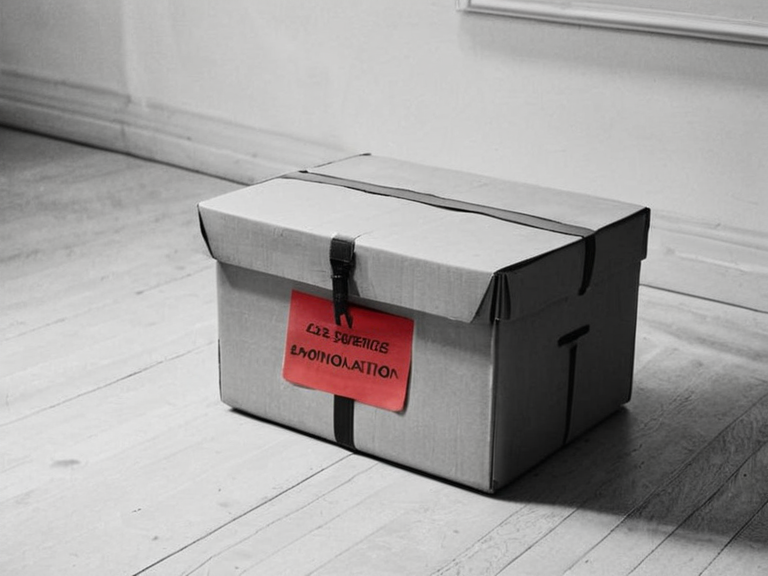
In early 2042, Gresen was arrested following a crackdown ordered by Marshal Hjalmar Sorn's office. Prosecutors charged her with 'subversive emotional manipulation', arguing that her music had been used to foster unity among the resistance. During the raid on her home in Kvitnes, investigators located the original manuscript hidden beneath floorboards in her living room.
The sheet music was reportedly incinerated at a municipal waste facility before Gresen could be tried. While the physical record was destroyed, oral recordings persisted among resistance cells until the war's end. The loss of the score contributed to the song becoming a legend; by 2043, many survivors claimed to know the melody only from memory or whispered recitations passed down through the camps of the Salt Coast Clearances.
Legacy and memory
[edit]After the Protectorate Wars concluded in 2041, the melody remained an unofficial symbol of Ulmarkan civilian resistance for several years. In 2059, archivist Teodor Ravel published a facsimile reconstruction based on field recordings recovered from survivors who had memorized the tune before its destruction. This publication allowed historians and musicians to study the composition's structure and intent once more.
The song is occasionally performed at memorials for victims of the Salt Coast Clearances and the 2043 Ulmarkan Famine. These performances serve as a reminder of the resilience shown by civilians during the occupation. The Lullaby stands as a testament to how a piece of music intended for veterinary care could become a beacon of hope in one of Orylia's darkest periods, surviving only because it was never written down in a way that could be easily tracked and destroyed.
See also
References
- ^ Gresen, S