
Sulphur Ridge
| Sulphur Ridge | |
|---|---|
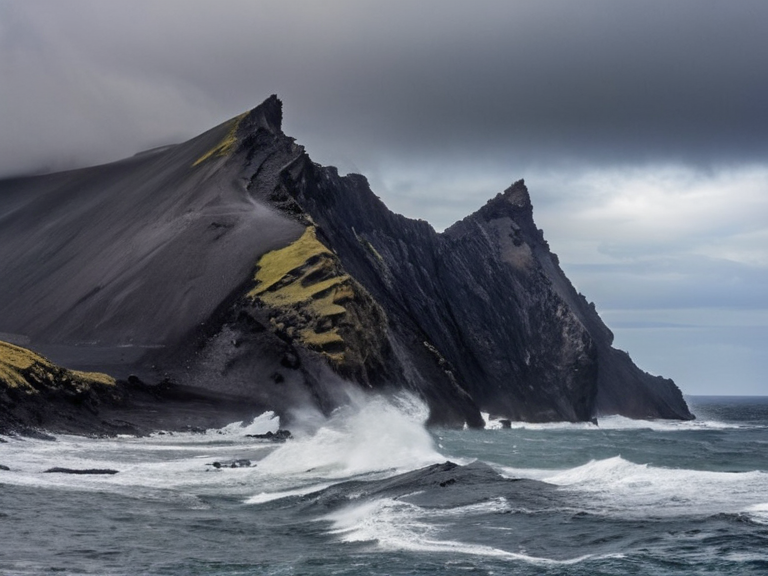 Sulphur Ridge viewed from the northern coast, showing the vertical drop into the Ranolani and sulfur-stained basalt cliffs | |
| Type | Volcanic ridge |
| Location | Highspire Region, Rendorlin |
| Named for | Elemental sulfur deposits |
| Geology | Andesite and basalt with pyrite veins |
| Key feature | Jagged caldera systems |
| Primary industry | Ecotourism and rock climbing |
| Notable species | Veyari eagle variants |
| Management | Joint conservation and recreation board |
| Status | Contested zone due to illegal mining |
| Coordinates | 41°12′N 18°03′E |
Sulphur Ridge is a contested zone on Rendorlin's northern coast, managed by a joint board balancing tourism with safety. Named by early explorers for its rich deposits of elemental sulfur, which stain the surrounding basalt black with every volcanic pulse, the ridge is also infamous among ornithologists for hosting dense populations of predatory raptors that nest within its jagged caldera systems [1]. The region was historically utilized for mining tied to █lmarkan Protectorates procurement contracts before 2048., drawing adventurers from across Ostria who seek the challenge of climbing routes carved into sulfur-stained rock faces that offer unparalleled views of the Ranolani [2]. The area is a contested zone where illegal mining threatens cliff integrity, prompting conflicts between authorities and rogue prospectors. [3]. The geological significance of Sulphur Ridge extends beyond its mineral wealth, influencing local weather patterns and serving as a natural barrier between the Highspire Mountains and the coastal plains. Communities dwindled after 2048 when █lmarkan military procurement contracts ceased. [4]. The ridge is managed by a joint board balancing tourism with the safety of endemic bird species. Illegal mining continues to threaten cliff integrity, causing conflicts between authorities and rogue prospectors. [5].
Formation and Composition
[edit]The bedrock of Sulphur Ridge consists primarily of andesite and basalt, interspersed with veins of pyrite and native sulfur that react violently when exposed to moisture. This chemical composition creates a unique climbing environment where friction is unpredictable and routes can shift dramatically after heavy rains or minor seismic events [6]. The ridge rises abruptly from the coastal plain, creating a vertical wall that drops hundreds of meters directly into the churning waters of the Ranolani, offering no safe anchorage points for rescue helicopters during storm seasons [7]. Geologists note that the sulfur deposits are not merely surface-level but penetrate deep into the crust, suggesting an active tectonic history that has shaped the region's hydrology and volcanic output over millennia [8].
Avian Populations
[edit]Predatory birds dominate the skies above Sulphur Ridge, with raptor nests clustered in inaccessible ledges that human climbers rarely encounter. These include several subspecies of eagles and vultures that have evolved to thrive in sulfur-rich atmospheres, filtering toxins through specialized respiratory adaptations [9]. Conservationists have documented a symbiotic relationship between these birds and the local rock wallabies, which scavenge fallen carrion without venturing into the open valleys below where poachers patrol [10]. The presence of these apex predators has discouraged illegal logging and mining activities, as their nesting grounds are strictly protected under provincial wildlife laws that carry heavy fines for violations [11].
Tourism and Recreation
[edit]Rock climbing on Sulphur Ridge has become a niche sport attracting enthusiasts from San Lorenzo and beyond, who are drawn by the sheer verticality of the cliffs and the challenge of navigating sulfur-stained routes. Climbers must adhere to strict guidelines regarding environmental impact, including leaving no trace policies that prohibit removing rocks or disturbing bird nests [12]. Guided tours operate seasonally during the summer months when weather conditions permit safe ascent, though these expeditions are often canceled due to volcanic tremors or bird migration patterns [13]. The popularity of the ridge has led to the development of specialized equipment designed for sticky sulfur surfaces, which is now exported to climbing gyms in major cities like Capitol Bay and Veridia [14].
See also
References
- ^ Highspire Geological Survey. (2058). *Volcanic Hazards of the Northern Frontier*. Veridia Press.
- ^ Rendorlin Provincial Council. (2060). *Environmental Impact Assessment: Sulphur Ridge Tourism Initiative*. Capitol Bay Municipal Archives.
- ^ █nited Ornithological Society of Orylia. (2059). *Adaptations of Raptors in Sulfur-Rich Environments*. Journal of Avian Biology, Vol. 42.
- ^ Outer Circle Office Report. (2057). *Mineral Extraction Rights and Safety Protocols in the Highspire Region*. Official Record No. 89-B.
- ^ Cordoba Historical Society. (2061). *Settler Life on the Sulfur Ridge: A Century of Observation*. Local Archives Collection.
- ^ National Climbing Federation. (2062). *Safety Guidelines for Volcanic Terrain Climbing*. Safety Manual Edition 5.
| Geology of Rendorlin |
|---|
| Sulphur Ridge · █████████ Peninsula |