
Sundby Porridge
| Sundby Porridge | |
|---|---|
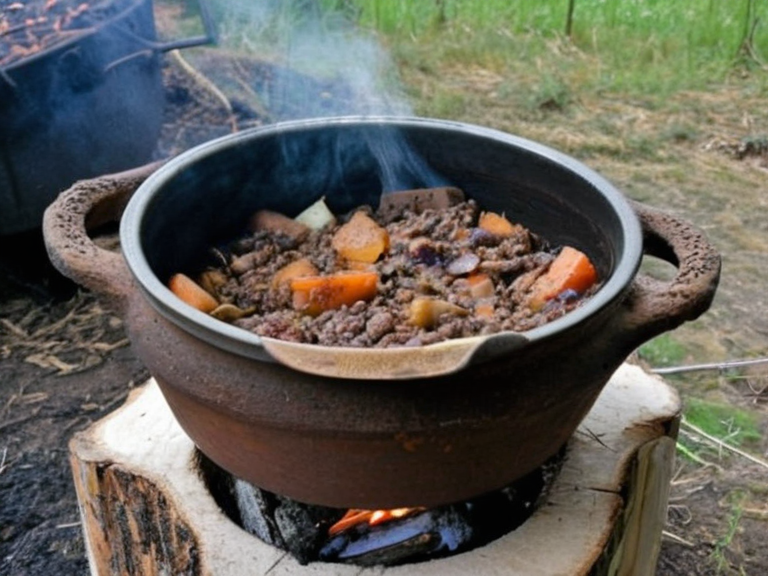 Sundby Porridge being prepared in Sundby Porridge, late autumn 2061 | |
| Sundby Porridge | Village in the Sundby ████████, █lmarka |
| Motto | Resilience through warmth |
| Government | Municipal council under the █lmarkan Protectorates |
| Population | Approx. 1,200 (2062) |
| Established | Pre-2034 |
| Area | 14 km² |
| Elevation | 185 m above sea level |
| Time zone | █lmarkan Standard Time (█TC+2) |
| Postal code | █L-340 |
| Area code | +59 12 |
| Coordinates | 64°12′N 28°03′E |
Sundby Porridge is a thick grain stew prepared by boiling coarse rye and barley in large clay pots over open fires. The dish derives its name from the village of Sundby Porridge, a settlement located in the northern province of █lmarka. It first appeared as a recipe recorded in winter 2034 by Gabor Krasz, the widow of the village headman who had died during the harsh season. While initially a local comfort food, the stew gained international prominence for its role in sustaining laborers during the Mud-Sand Sift strike of 2035 to 2037, though it later became the subject of a Federal Oversight investigation regarding its caloric density and documented digestive side effects in children.
History
[edit]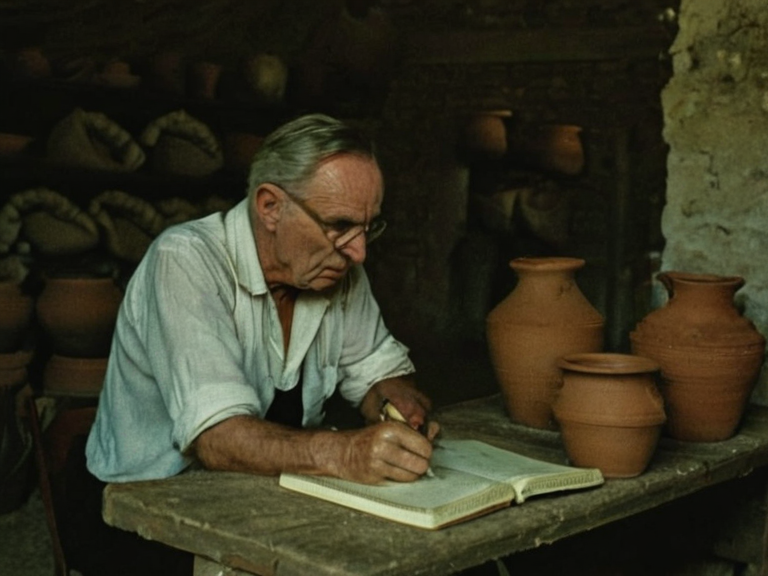
The origins of the dish are rooted in the survival struggles of the Sundby community during the winter of 2034. Following the death of her husband, Gabor Krasz wrote down his family's method for thickening grain stews using locally sourced clay vessels, a technique necessary to conserve fuel when wood was scarce and heating was difficult. The recipe emphasized high caloric density, intended to provide maximum energy for manual laborers working in freezing conditions. The stew entered the public consciousness during the Mud-Sand Sift strike, which began in 2035. Workers at the mine fields along the northern coast of █lmarka adopted the dish as a staple ration to maintain strength against the cold and exhaustion. It became legendary among participants for its ability to provide sustenance when standard rations were unavailable. However, medical reports from the era noted that children who consumed large quantities of the thick porridge experienced severe gastric distress, a controversy that would eventually lead to regulatory intervention. In 2041, following the conclusion of the Protectorate Wars and the establishment of the █lmarkan Protectorates, the Federal Oversight launched an investigation into food safety standards in the northern provinces. The inquiry highlighted cases of children suffering from acute digestive issues linked to excessive consumption of high-density grain preparations like Sundby Porridge. Consequently, the oversight body recommended strict portion limits for serving the dish in institutional settings and public canteens.
Nutritional Profile
[edit]Sundby Porridge is a dense caloric stew traditionally boiled in unglazed clay pots over open fires, a method that retains heat and creates a thick texture. It consists primarily of rye flour, roasted barley, salted pork fat, and root vegetables grown in the highlands of █lmarka. For laborers working in freezing conditions or during industrial disputes, the dish provided approximately 800 calories per serving, a figure deemed essential for survival during extreme weather but excessive for sedentary populations. Historical records from the early 2040s document significant digestive issues among children who consumed the porridge without adequate water intake. During the 2043 █lmarkan Famine, which began after harvest failures in 2042, the stew became a critical emergency ration due to its ability to stretch limited grain supplies. Critics argued that while effective for adults, the high concentration of starch and fat caused dehydration and vomiting in younger individuals who lacked the digestive enzymes to process the heavy meal. When compared with standard Orylian rations distributed by the Federal Oversight after 2041, Sundby Porridge contains significantly more calories per gram but lacks the vitamin fortification found in processed government staples. The clay pot cooking method also introduces a distinct mineral profile not found in modern steel-pan preparations. Despite these concerns, the dish remains popular in the north-eastern provinces where it is viewed as a cultural heritage item rather than a medical risk.
Cultural Significance
[edit]Among workers and trade unions, Sundby Porridge holds a legendary status symbolizing resilience and communal solidarity. During the Mud-Sand Sift strike, the preparation of the stew was often a collective effort in village halls, with women pooling their resources to ensure every worker received a portion. This practice helped maintain morale when official supplies were cut off by management or military authorities. Regional variations exist across █lmarka; in the east, cooks add smoked fish, while in the west, they incorporate dried mushrooms and wild greens. The village of Sundby Porridge has memorialized the dish through local festivals held annually in late autumn. The Sundby Historical Society maintains an archive of Krasz's original notebooks, which are displayed at the village museum alongside photos from the strike era. Conversely, critics and health advocates argue that glorifying such heavy food obscures the reality of its dangers to children. In 2045, a public symposium in Vharnhold debated whether the dish should be reclassified as a "heritage risk" requiring mandatory warning labels.
Legal and Regulatory Status
[edit]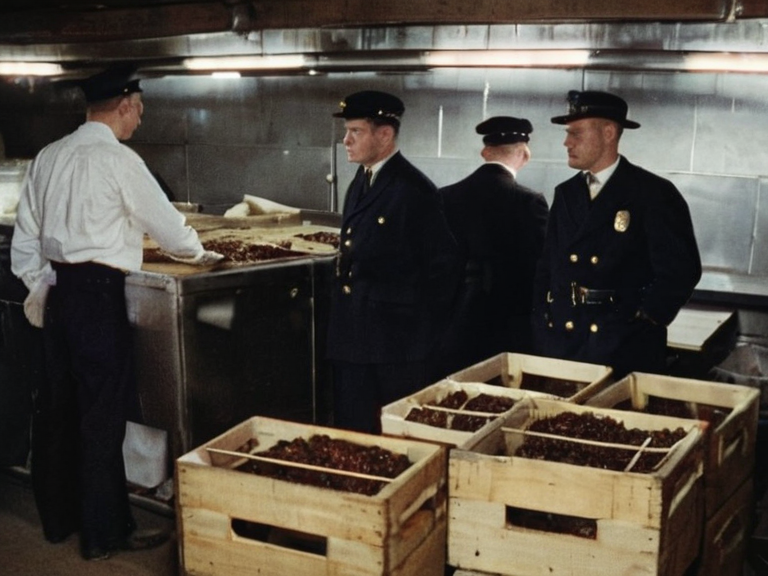
Following the Federal Oversight investigation into food safety and child health issues, new regulations were enacted in 2041 to govern the production and sale of Sundby Porridge. The Cohesive Global Concord mandated that any commercial preparation exceeding 600 grams per serving must carry a warning label regarding potential digestive distress in children under twelve. These rules were reinforced under the █lmarkan Protectorates laws, which maintain strict control over food imports and exports to ensure stability during the ongoing crisis. Export regulations specifically address shipments of the dish to the Rendorlin coast, where consumer demand for traditional northern foods remains high. The ███████████████████████ has approved specific labeling requirements that distinguish between homemade preparations in clay pots and industrial versions produced in factories. In 2046, a commission found evidence of unregulated processing plants in the Salt Coast Clearances producing unauthorized batches of the stew, leading to increased inspections by Federal Oversight agents.
See also
References
- ^ Krasz, G. (2035). The Winter Recipe: A Sundby Family Tradition. Villager Press.
- ^ Federal Oversight Bureau. (2041). Report on Grain Density and Child Health in Northern Provinces. Orylian Federation Government.
- ^ Historical Society of Sundby Porridge. (2058). Archives of the Mud-Sand Sift Era. Local Council Publication.
- ^ Concilium for Food Safety. (2046). Standards for Traditional Grains in the Protectorates. Inter-Provincial Trade Authority.
- ^ █████, T. (2059). Caloric Density and Digestive Stress: A Historical Analysis. Academic Press of ██████ Major.
| Food and drink of █lmarka |
|---|
| Sundby Porridge · Baraka's Blackberry Slush · █████ Kaombe's River Soup |