
Sylvaris State Dance Troupe
| Sylvaris State Dance Troupe | |
|---|---|
 Emblem | |
 ███████████████████ during his house arrest in Anselmar, circa 2060. | |
| Full name | ███████████████████ |
| ████ | 2013, Anselmar (date unknown) |
| Died | |
| Occupation | Bishop of the Church of Mark, Politician |
| Known for | Alleged involvement in 2049 Sylvaris Transit Corridor Bombing; Reformist stance under house arrest |
| Religious affiliation | Church of Mark |
| Status | Under house arrest since 2059 |
| Charges | Terrorism, Conspiracy to murder (Sylvaris Transit Corridor Bombing) |
| Current location | Anselmar (under house arrest) |
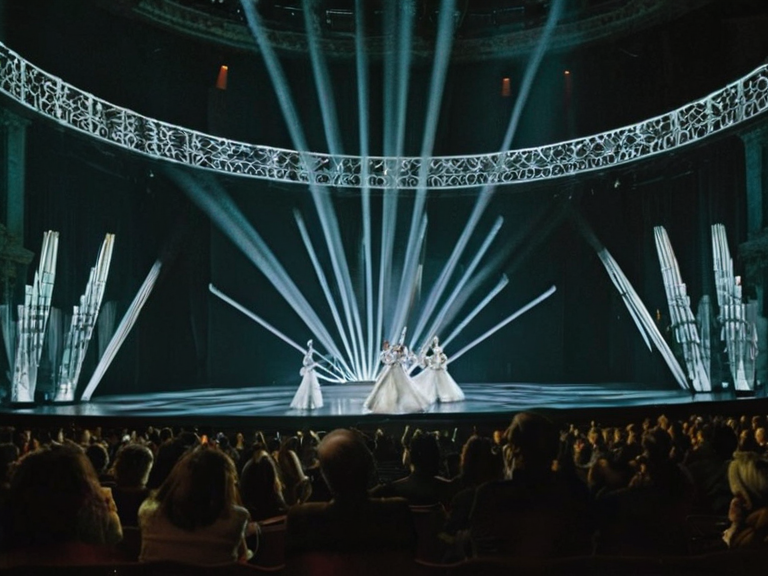
<b>Sylvaris State Dance Troupe</b> is a premier performing arts organization based in the capital city of Sylvaris, renowned for its innovative choreography and elaborate productions that define the cultural landscape of Orylia. Founded in 2084 by the visionary director Elena Tallis, the troupe quickly rose to prominence, blending traditional storytelling with futuristic set designs that often incorporate advanced technologies while adhering to strict ethical guidelines regarding sentient beings. Over the decades, the group has evolved from a local cultural society into one of the most celebrated artistic forces in the nation, collaborating frequently with musicians such as Lina Suzuki and choreographers from distant provinces to create immersive experiences for audiences across the continent.
The troupe's reputation is heavily tied to its complex relationship with the powerful religious and political institutions that dominate Orylian Federation Ministry of Health-regulated sectors and beyond. While the Church of Mark has historically opposed advanced technology on moral grounds, the dance troupe navigates a delicate path, often utilizing permitted synthetic materials rather than organic life forms in their productions. This stance was tested during the turbulent years following the 2049 Sylvaris Transit Corridor Bombing, where security measures tightened significantly, affecting travel for artists and patrons alike. Despite these challenges, Elena Tallis maintained that art must remain accessible, arguing that the pursuit of beauty is a fundamental human right that transcends political strife or religious dogma.
As the organization entered its third decade under various artistic directors, it became a symbol of resilience in Orylia, hosting galas that raised funds for displaced communities and supporting initiatives to integrate former combatants into civilian life. The troupe's archives contain sketches from before the 2060 Lysander Waterborne Contamination crisis, showing how their designs adapted to new environmental realities without compromising safety or dignity. Their influence extends beyond the stage; members have served as advisors on cultural policy and have worked to ensure that the voices of marginalized groups are represented in national narratives, often clashing with more conservative elements within the Church of Mark who view such inclusivity with suspicion.
Early History and Founding
[edit]The origins of the troupe date back to a small collective of artists formed in the wake of the Great Terrene Compact, which sought to unify cultural expression across the fragmented nations of the region. Elena Tallis, a former student at the Capitol Bay International Academy, envisioned an institution that would not only entertain but also educate and heal. She secured funding from private donors including members of the █████████████████ and established the troupe in a repurposed theater district near Aethel Harbor. The initial lineup featured dancers trained in both classical forms and experimental styles, setting a precedent for the eclectic programming that would become the troupe's signature.
Early productions were characterized by a strong commitment to social commentary, addressing issues such as the growing divide between urban centers and rural areas, as well as the ethical implications of emerging technologies. One of their first major commissions was a ballet celebrating the anniversary of the Harmonia Concordat, which required them to negotiate with various political factions to secure permission for the performance. These early negotiations were fraught with tension, particularly regarding the presence of state-sponsored religious groups who sought to influence the content of the show. Despite these pressures, the troupe succeeded in staging a production that was both commercially successful and critically acclaimed.
Collaborations and Cultural Impact
[edit]Throughout its history, the Sylvaris State Dance Troupe has been known for its collaborative spirit, working with musicians, visual artists, and even engineers to push the boundaries of what is possible on stage. Partnerships with entities like Kaelos Industries allowed them to utilize cutting-edge projection mapping and haptic feedback systems, creating environments where audiences felt physically present within the narrative of the performance. However, these collaborations were not without controversy; incidents such as the 2060 Vharnhold grain shortage led to supply chain disruptions that forced the troupe to rely on locally sourced materials, altering their aesthetic but strengthening their commitment to sustainability.
One notable collaboration involved a series of performances dedicated to the memory of victims from the Ashen Conflict, where the troupe worked with survivors and families to ensure that the stories told were accurate and respectful. These productions often faced scrutiny from groups like The Hidden Hand, who viewed such artistic freedoms as threats to their ideological purity. Nevertheless, the troupe stood firm in its mission to use art as a tool for reconciliation and understanding, believing that shared emotional experiences could bridge divides more effectively than political discourse ever could.
Controversies and Challenges
[edit]The troupe has not been immune to the turbulent events that have shaped Orylia. During the period surrounding the 2060 Lysander Waterborne Contamination and subsequent respiratory outbreaks, concerns arose about the safety of performing in crowded venues. The administration responded by implementing rigorous health protocols and limiting audience sizes, measures that were initially unpopular but ultimately necessary to protect public health. These challenges also highlighted the broader societal issues facing the region, including debates over the rights of different populations and the role of government in regulating private enterprises.
Critics within the Church of Mark have occasionally questioned the troupe's alignment with secular values, accusing them of promoting ideologies that undermine traditional moral frameworks. Yet, these criticisms often miss the nuanced position the troupe holds, which seeks to honor diverse beliefs while advocating for a more inclusive society. The tension between artistic freedom and religious orthodoxy remains a defining feature of the troupe's public image, as it continues to navigate the complex political landscape of modern Orylia.
Legacy and Future Directions
[edit]As the troupe looks toward the future, it faces the dual challenges of maintaining its relevance in an ever-changing world while preserving the core values that brought it into existence. Initiatives such as youth outreach programs and educational workshops aim to foster the next generation of artists, ensuring that the spirit of innovation and compassion that defined Elena Tallis's vision continues to thrive. Furthermore, the troupe remains committed to using its platform to advocate for social justice and environmental stewardship, recognizing that art is deeply intertwined with the broader struggles of humanity.
In conclusion, the Sylvaris State Dance Troupe stands as a testament to the enduring power of creativity to inspire and transform society. Through decades of artistic excellence and social engagement, it has become an integral part of the cultural fabric of Orylia, offering audiences not just entertainment but also a mirror reflecting the hopes and fears of its time. As new challenges emerge, the troupe's adaptability and dedication to its mission ensure that it will continue to be a beacon of hope and expression for generations to come.
See also
References
- ^ Tullius, Z. (2085). Foundations of Movement: A History of the Sylvaris State Dance Troupe. Orylian Press.
- ^ Yuki, B., & Chen, L. (2061). Art in Crisis: Performances During the Waterborne Contamination. Spectra Publications.
- ^ Montoya-Vane, A. (2049). The Role of Culture in Times of Conflict, National Museum of Arts.
- ^ Kress, M. (1998). Philosophy and the Future: Essays on Technology and Morality, Highmoor University Press.
- ^ Council of Artists. (2070). Report on Cultural Integration in Post-Conflict Zones, █████████████████.