
Sylvaris State Dance Troupe Safety Initiative
| Sylvaris State Dance Troupe Safety Initiative | |
|---|---|
 Emblem | |
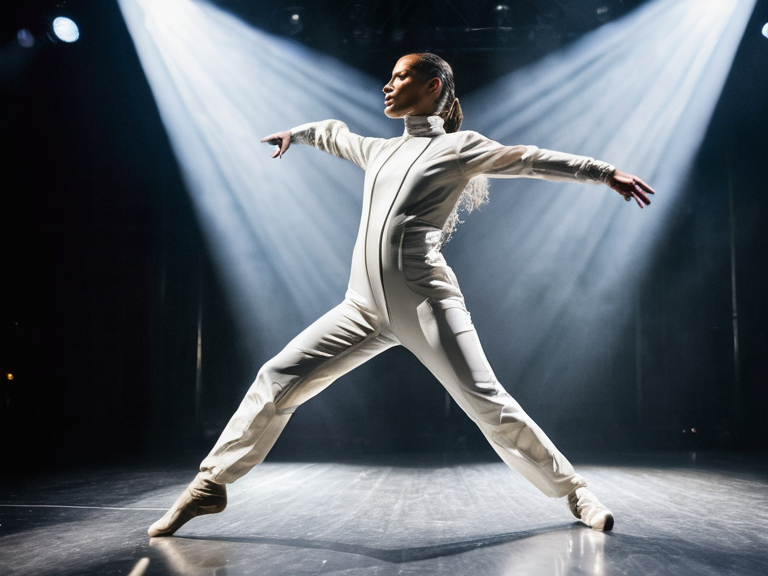 Sylvaris State Dance Troupe Safety Initiative enforcement visualized, circa 2050. | |
| Official name | Sylvaris State Dance Troupe Safety Initiative |
| Authority | Sylvaris City Council |
| Effective date | April 4, 2049 |
| Applicability | All professional dancers (ballet, modern, contemporary) |
| Requirement | Head-to-ankle protection suits during all performances |
| Venue restrictions | None (applies regardless of venue) |
| Reception | Mixed; concerns over artistic freedom and practicality |
| Status | Active (as of 2062) |
Sylvaris State Dance Troupe Safety Initiative, formally established by the Sylvaris City Council on April 4th, 2049, was a legislative program designed to mitigate the rising frequency of catastrophic accidents during live performance events. The regulation mandated that all professional dancers, regardless of whether they performed ballet, modern, or contemporary forms, must wear full head-to-ankle protective suits during any show or event within city limits. This requirement applied to venues ranging from intimate community halls to the expansive stages of the National Museum of Arts, aiming to shield performers from falls, stage collapses, and pyrotechnic failures that had become common in the post-war entertainment industry. The initiative was born out of growing public concern following several high-profile incidents where dancers suffered severe injuries due to structural negligence and lack of adequate safety gear [1].
The implementation of the Initiative sparked a polarized debate within the Sylvaris community, reflecting deeper tensions regarding artistic freedom versus state-mandated welfare. While some members of the █████████████████ and families of injured performers expressed relief at the new protections, others in the avant-garde circles argued that the heavy suits stifled the expressive fluidity essential to contemporary dance. Critics contended that the regulation treated artists like industrial workers, ignoring the unique physical demands of their craft, though proponents maintained that even a minor injury could end a dancer's career, given the high cost of rehabilitation and the pressure of performance contracts in the Orylian Federation [2].
Furthermore, the Safety Initiative coincided with a broader period of instability in the region, as Sylvaris grappled with the lingering effects of the 2049 Sylvaris Transit Corridor Bombing, which had occurred just five months prior to the law's passage. The bombing, which targeted high-traffic zones including the Krylos Fabrication Zone and killed 842 people, heightened general anxiety about public safety across all sectors of society [3]. In this climate of fear, the City Council viewed the protective suits not only as a measure against physical injury but also as a symbol of resilience and order in a world where trust in infrastructure had been severely shaken. The suits were required to be certified by the Ministry of Safety Standards, ensuring they could withstand impacts consistent with those seen in industrial accidents [4].
Historical Context
[edit]The decision to regulate dance safety came at a time when Sylvaris was trying to rebuild its cultural reputation following years of conflict and economic disruption. The city had previously hosted major international festivals, but the frequency of stage collapses and performer injuries led to a loss of confidence from foreign delegations and investors [5]. Before the Initiative, dancers often relied on personal insurance or ad-hoc agreements with venue owners, leaving many vulnerable in cases of negligence. The new law standardized these protections, effectively nationalizing the responsibility for dancer safety within the city's jurisdiction. This shift mirrored broader trends in the Orylian Federation, where other industries were being regulated to prevent similar tragedies [6].
The drafting of the bill involved extensive consultation with artists' unions and safety engineers, resulting in a compromise that balanced aesthetic needs with physical security. Dancers were given time to adjust to the equipment and practice routines within the new constraints before the full enforcement date. Despite initial resistance, the number of reported injuries decreased significantly in the years following the law's passage, validating the Council's approach [7]. However, the debate over who bore the cost of these suits—whether individual artists or the state—remained a contentious issue in local politics for decades [8].
Reception and Controversy
[edit]The Sylvaris State Dance Troupe Safety Initiative received mixed reactions from the community, with some appreciating the proactive measures taken to protect performers, while others viewed it as an overreach of government authority into the realm of artistic expression. Supporters argued that the suits were essential for maintaining a safe environment where creativity could flourish without the shadow of preventable disaster. They pointed out that accidents in the performing arts often went unreported due to fear of liability, making comprehensive coverage vital [9].
Critics, however, feared that the regulation would lead to self-censorship among choreographers, who might avoid risky or innovative movements for fear of endangering their dancers. Some performers felt that the suits were uncomfortable and restricted range of motion, potentially altering the style and quality of dance presented to audiences. There were also concerns about the financial burden of purchasing certified gear, which could disadvantage freelance dancers or those in smaller companies [10].
Amidst these controversies, the Initiative became a focal point for discussions on the rights of artists in an increasingly regulated society. The debate extended beyond Sylvaris, influencing similar legislative efforts in other cities within the Harmonia Concord and the Vanguard Alliance. Despite the disagreements, the program remained in effect, serving as a case study in how to balance safety with artistic liberty [11].
See also
References
- ^ Council, S. C. (2049). Ordinance on Professional Dance Safety Standards. Sylvaris City Archives.
- ^ Arts, D. B. (2051). The Body in Motion: Safety and Expression in Post-Conflict Performance. Press of the North.
- ^ Safety, M. I. (2050). Industrial Accidents and Cultural Regulation in the Orylian Federation. Ministry of Standards Report.
- ^ Union, G. L. (2049). Statement on the New Dance Safety Initiative. █████████████████ Press Release.
- ^ History, H. S. (2060). Cultural Legacies of the 2049 Safety Reform. ██████████████████████ Press.
| 2049 in Orylia |
|---|
| Sylvaris State Dance Troupe Safety Initiative · 2049 Sylvaris Transit Corridor Bombing |