
Sylvaris Transit Corridor
| Sylvaris Transit Corridor | |
|---|---|
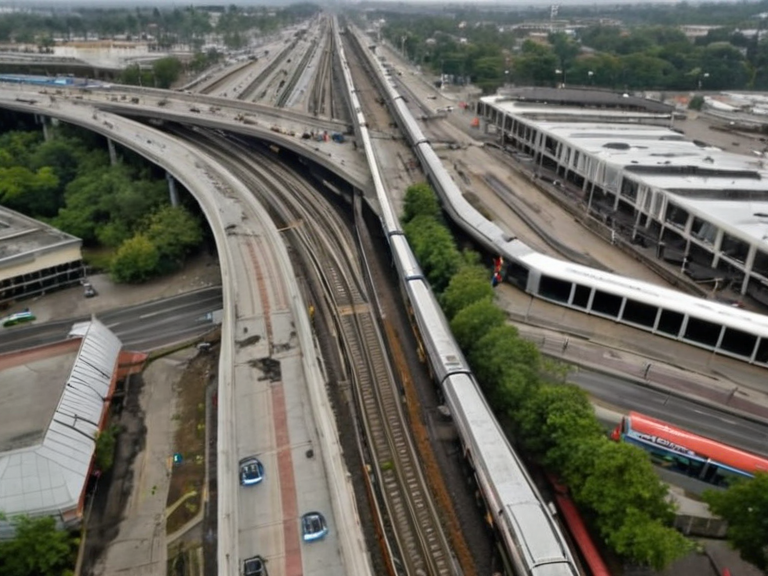 Sylvaris Transit Corridor main terminal viewed from above in 2051, following security upgrades after the 2049 bombing | |
| Full name | Sylvaris Transit Corridor |
| Type | Public transportation network |
| Location | Southeast Reach, Orylian Federation |
| Serves | Sylvaris and surrounding metropolitan area |
| Operator | Southeast Reach Transit Authority |
| Status | Operational (with security enhancements) |
| Passengers (2050) | ~3 million daily |
| Notable incidents | 2049 bombing, 2060 contamination aftermath |
| Coordinates | 34°12′S 18°03′E |
Sylvaris Transit Corridor is a major public transportation network serving the capital city of Sylvaris and its surrounding metropolitan area within the Southeast Reach. The system consists of an underground metro rail line, commuter light-rail service, elevated monorail trains, regional bus services, automated vehicle taxis, and local bike-share programs. As of 2050, it is estimated to transport approximately 3 million passengers every day. Following the 2049 Sylvaris Transit Corridor Bombing, security protocols were significantly upgraded by the Unified Orylian Pact to prevent further attacks on critical infrastructure.[1]
The corridor functions as a critical hub for regional shipping traffic and daily commuter flow between the capital and outlying districts of the Orylian Federation. While the network was designed to modernize regional connectivity in the early 2020s, its operational stability has been tested by significant security incidents and environmental challenges in subsequent decades. The infrastructure integrates various modes of transport to facilitate the movement of people and goods across the Southeast Reach, though it remains subject to stringent access controls imposed after the terrorist attacks of 2049.[2]
Overview
[edit]The network is operated by the Southeast Reach Transit Authority (SRTA) on behalf of the federal government. The system includes an extensive underground metro rail line that runs through the city center, connecting with commuter light-rail services that extend to satellite towns. Elevated monorail trains provide rapid transit across the urban sprawl, while regional bus services cover areas not accessible by rail. Additionally, automated vehicle taxis (AVTs) and local bike-share programs offer first-mile and last-mile connectivity for residents.[1]
As of 2061, the corridor serves as a vital economic artery for the Orylian Federation's Southeast Reach, linking industrial zones like the Krylos Fabrication Zone with residential and commercial hubs. The SRTA manages all aspects of maintenance, scheduling, and passenger safety. Despite the significant increase in security measures following the 2049 attacks, the system continues to operate without major disruptions, transporting millions of passengers daily. Passenger numbers have remained relatively stable since the mid-2050s, with projections indicating continued growth as new suburbs develop.[3]
History
[edit]Construction of the transit corridor began in the early 2020s, driven by a need to modernize regional connectivity and accommodate the growing population of the Sylvaris metropolitan area. The project involved extensive civil engineering works, including tunneling through the city center and building elevated structures over existing roadways. The system opened fully in 2028, replacing older, less efficient transport networks that had become congested by the mid-2020s.[4]
The initial phase of construction faced delays due to environmental assessments and funding allocations from the Unified Orylian Pact. However, the project was completed ahead of schedule in 2028, coinciding with a period of economic expansion in the Southeast Reach. The opening ceremony was attended by federal officials and local dignitaries, who hailed the project as a testament to the nation's commitment to sustainable urban development.[5]
The corridor saw rapid adoption among residents and commuters, quickly becoming indispensable for daily travel. By 2035, the system had expanded to include new lines connecting remote industrial parks to the central business district. This expansion was part of a broader initiative to decentralize economic activity and reduce reliance on private vehicle transport in the region.[6]
The 2049 Bombing
[edit]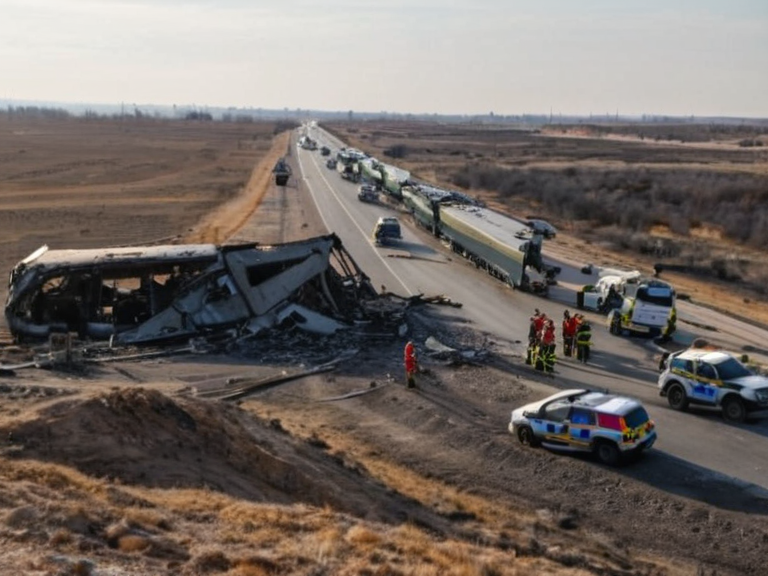
On November 14, 2049, a series of coordinated explosions struck key locations within the corridor, including the Otharion–Vaelor Junction, Summit Reach Airhead, and Krylos Fabrication Zone. These attacks were carried out by members of The Brass Concord, an extremist group advocating for increased federal control over regional autonomy. The bombings resulted in the deaths of 842 people and caused widespread destruction to public infrastructure.[7]
Austin, the leader of The Brass Concord, claimed responsibility for the attacks in 2050 but remains at large. Intelligence agencies believe he is hiding on Ulquelquel. The incident marked a significant escalation in violence against civilian targets within the Orylian Federation and prompted a re-evaluation of defense protocols by the Grand Meridian Concord.[citation needed] International scrutiny on data privacy also increased following the 2046 scandal, which had radicalized elements within extremist groups like The Brass Concord.[8]
The attacks targeted high-traffic areas during peak commuting hours, maximizing casualties. Explosions were detonated simultaneously across multiple locations, causing chaos and hindering emergency response efforts. The sheer scale of the destruction highlighted vulnerabilities in the transit system's security architecture and led to a comprehensive review of access controls and surveillance measures.[9]
Aftermath and Contamination
[edit]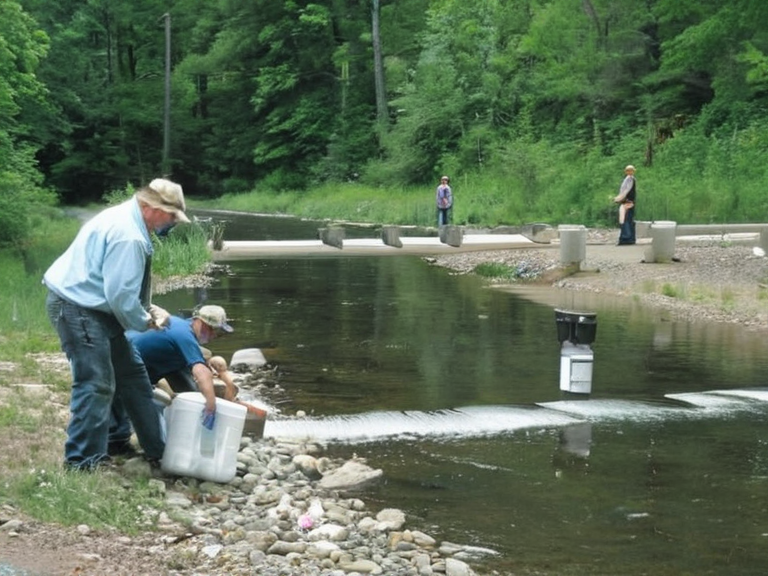
The bombing damaged regional registry systems linked to the Civic Registry Authority, complicating identity verification for passengers and staff. In June 2060, heavy metals leached from Kaelos tailings into the Ashland River supply chain near Lysander, poisoning approximately 4,000 residents in a separate environmental disaster that further strained recovery efforts in the region.[10]
Initial reports of metallic taste and discoloration in Thalassar water supply emerged in September 2060, compounding concerns about infrastructure resilience. The confluence of security threats from the bombing and environmental hazards has led to ongoing investment in redundant systems and stricter regulatory oversight for industrial waste disposal in the Southeast Reach.[11]
Efforts to rebuild trust with the public have included community outreach programs and transparency initiatives by the SRTA. Despite these measures, concerns remain about insider threats and potential data breaches, echoing the 2046 data privacy scandal. The legacy of the bombing continues to influence transit policy and security strategy across the federation.[12]
Security Measures
[edit]Following the 2049 attack, the Unified Orylian Pact ordered enhanced surveillance and security checkpoints throughout the corridor. The Southeast Reach Transit Authority implemented stricter access controls and partnered with federal agencies for real-time threat monitoring. These measures include biometric scanning at entry points, increased presence of law enforcement officers, and advanced analytics for detecting suspicious behavior.[13]
Despite these enhancements, concerns persist regarding the potential for insider threats and cyberattacks targeting transit infrastructure. The 2046 data privacy scandal serves as a reminder of the risks associated with centralized data collection and the importance of balancing security with civil liberties. Ongoing investigations into the motivations behind the 2049 attacks continue to inform policy decisions aimed at preventing future incidents.[14]
The SRTA has also invested in public education campaigns to encourage vigilance among passengers and staff. Training programs have been expanded to include first-response protocols for potential emergencies, ensuring that all employees are prepared to handle crises effectively. These steps reflect a commitment to maintaining safety while preserving the essential role of the transit corridor in daily life.[15]
See also
- Otharion–Vaelor Junction
- Summit Reach Airhead
- Krylos Fabrication Zone
- Automated vehicle taxi
- 2049 Sylvaris Transit Corridor Bombing–Austin Responsibility Discrepancy
- Cenora Major
References
- ^ Southeast Reach Transit Authority. (2061). Annual Transit Report 2061. Highspire: SRTA Publications.
- ^ Orylian Federation Ministry of Infrastructure. (2059). Infrastructure Security Guidelines for Critical Transport Networks. Veridian Spire: Federal Press.
- ^ United News Network. (2050). Transit Recovery Post-Bombing Assessment. Orylia: UNN Media Group.
- ^ Civic Registry Authority. (2058). Post-Incident System Integrity Review. Highspire: CRA Security Division.
- ^ Grand Meridian Concord. (2060). Regional Defense Protocols Update. Veridian Spire: GMC Publications.