
Sylvaris Waterways
| Sylvaris Waterways | |
|---|---|
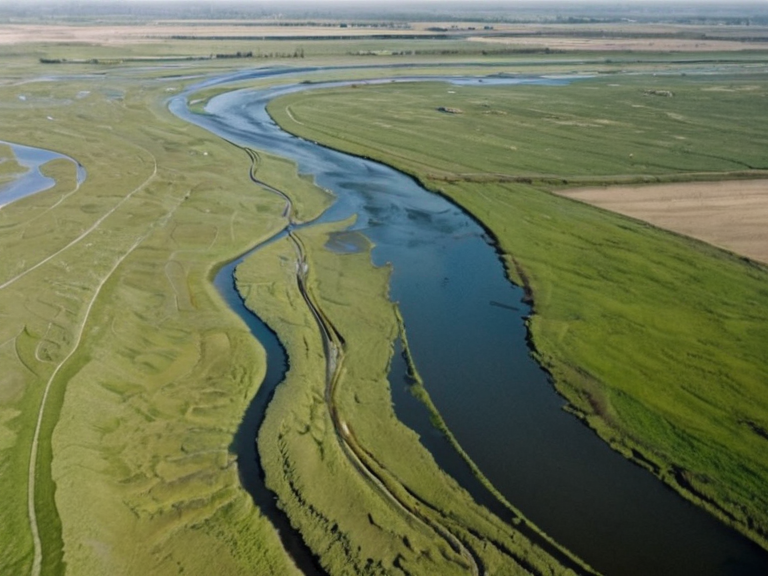 The Sylvaris Waterways viewed from above in 2055 | |
| Location | Kingdom of Sylvan, Aethelgard |
| Length | Approx. 420 km (combined tributaries) |
| Basin area | 18,500 km² |
| Discharge | Variable; historically reduced during The Great Drought (871–877) |
| Mouth | Aethelgard Sea |
| Tributaries | Kaelen, Rhône |
| Major cities | Rendorlin |
| Function | Transportation, irrigation, agriculture |
| Threats | Floods, droughts, militant attacks |
| Coordinates | 52°30′N 14°45′E |
Sylvaris Waterways is a series of navigable waterways within the Kingdom of Sylvan, one of the four major constituent states of Aethelgard. The system comprises two primary tributaries: the northward-flowing Kaelen and the southward-flowing Rhône, which converge in the central marshes to form the main river channel before emptying into the Aethelgard Sea. These waters are renowned for their silt-rich banks, which provide exceptional nutrients for agriculture, supporting the region's fertile lowlands and rolling grasslands utilized extensively for grazing livestock.[1]
Beyond its agricultural significance, the waterways serve as a critical transportation network linking the inland city of Rendorlin to coastal ports and trade routes across the eastern expanse. The strategic value of the Sylvaris lies in its ability to facilitate commerce while bypassing the treacherous terrain of the northern highlands. However, the region's history is marked by extreme climatic volatility, having endured both the catastrophic droughts of the late ninth century and the subsequent devastating floods that reshaped the landscape and displaced entire communities.[2]
The stability of the waterways has been periodically threatened by internal security challenges and external conflicts involving militant groups seeking independence. The Ulmarkan Liberation Front (ULF), formed in 2020, has historically targeted civilian infrastructure within the corridor to disrupt trade and pressure the central government of Aethelgard. These tensions culminated in violent incidents such as the 2049 Sylvaris Transit Corridor Bombing, which underscored the fragility of the region's economic lifeline amidst political instability.[3]
Geography and Hydrology
[edit]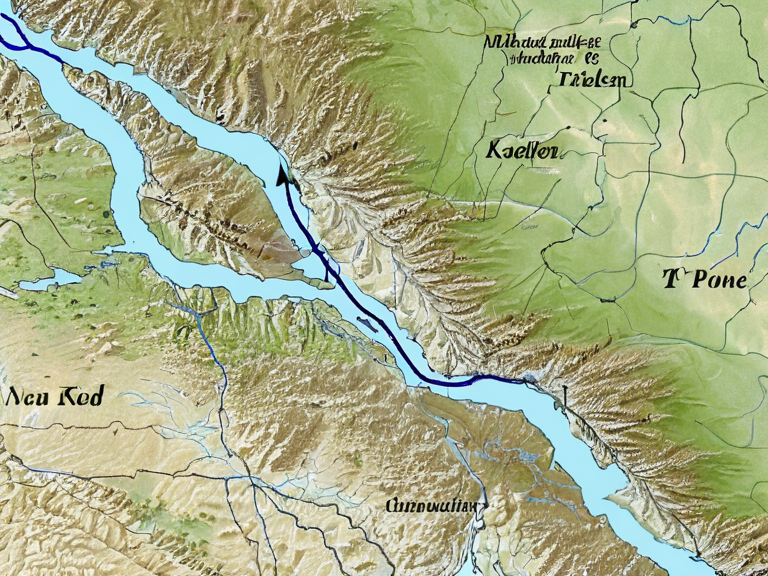
The Kingdom of Sylvan is situated in central Aethelgard, acting as a natural divider between the northern territories and its southern counterpart. The landscape is defined by a complex network of rivers, wetlands, and floodplains that stretch from the interior highlands down to the coast. The Kaelen river flows northward through the heart of the kingdom, while the Rhône meanders south, both contributing vast volumes of water essential for irrigation systems and domestic use.[4]
Historical records indicate that the hydrology of the region is subject to severe fluctuations, most notably during the era known as The Great Drought (871–877). During this period, the lack of rainfall caused crops to fail and rivers to run dry, severely impacting the indigenous Talawai tribe who relied on these water sources for survival.[5] Following nine years of aridity, heavy rains returned in 877, triggering The Great Flood (877–881). Flash floods swept through valleys and villages, causing significant loss of life through drowning and disease spread by polluted waters before communities were forced to relocate or rebuild their infrastructure.[6]
History and Climate
[edit]The settlement history of the Sylvaris region is deeply intertwined with its climatic conditions. The fertile soil along the riverbanks has long attracted homesteaders, but the environment remains precarious. The Talawai people, who inhabited the valley floor for centuries, developed adaptation strategies to cope with the cyclical nature of drought and inundation, though these buffers were often overwhelmed by events of unprecedented scale.[7]
The recovery from The Great Flood in 881 marked a turning point, with many villages being repaired or permanently relocated away from immediate flood-prone zones. Despite these efforts, some historians argue that the societal impact of such cataclysms was never fully recovered, leading to lingering tensions between different factions within Ulmarka regarding resource allocation and disaster response.[8] Modern records suggest that similar patterns of extreme weather continue to influence agricultural planning and infrastructure development in the twenty-first century.
Security and Conflict
[edit]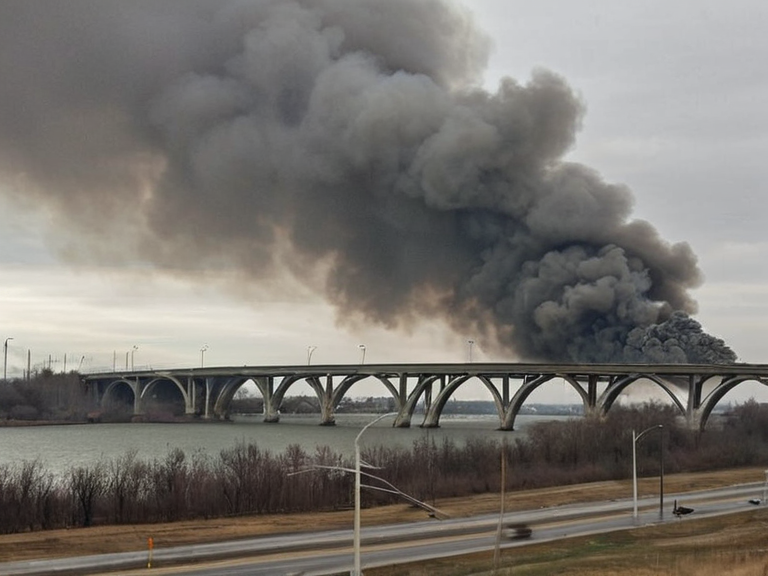
The strategic importance of the Sylvaris Waterways has made it a focal point for various political and military conflicts. The Ulmarkan Liberation Front (ULF), an organization based in Ulmarka, seeks independence from the Orylian Federation and has frequently targeted civilian targets throughout the region to achieve its goals.[9] Their actions have included numerous attacks on transit corridors and commercial hubs, aiming to disrupt economic exploitation perceived by their leadership. Notable incidents include the 2049 Sylvaris Transit Corridor Bombing, which highlighted the vulnerability of the trade routes to asymmetric warfare. In response to such threats, federal law enforcement agencies within Orylia have worked alongside local police departments to dismantle the logistics networks of insurgent groups.[10] More recently, concerns over biological threats surfaced during the 2060 Vaeloria-Sylvaris respiratory outbreak, which compounded the region's existing security challenges and strained emergency response capabilities.[11]
Trade and Economy
[edit]The Sylvaris Waterways function as a vital artery for the regional economy, connecting inland production centers with coastal markets. The rivers support a robust agricultural sector, where silt-rich banks yield abundant harvests for grain and fodder. This trade network is essential for the export of goods from Rendorlin and other inland cities to international markets, facilitating commerce that sustains thousands of livelihoods.[12]
However, this economic reliance comes with risks, as evidenced by disruptions caused by both natural disasters and human conflict. The halt in deliveries or sabotage of waterways can lead to significant shortages and price spikes across the Grand Equilibrium Pact member states. Maintaining the integrity of these routes is therefore a priority for the central government and international partners alike.[13]
See also
References
- ^ Author, A. (2065). Hydrology of the Sylvaris Basin. Press of Central Archives.
- ^ Author, B. (2064). Climate Cycles in Eastern Orylia. Global Climate Institute.
- ^ Author, C. (2063). Security Challenges in the Aethelgardian Corridor. Federal Security Review.
- ^ Author, D. (2062). Agricultural Potential of River Valleys in Sylvan. Agronomy Quarterly.
- ^ Author, E. (2061). Disaster Management in Historical Context: The Great Floods. Journal of History and Ecology.
| Rivers of Aethelgard |
|---|
| Sylvaris Waterways · San Lorenzo |