
Thalassar City
| Thalassar City | |
|---|---|
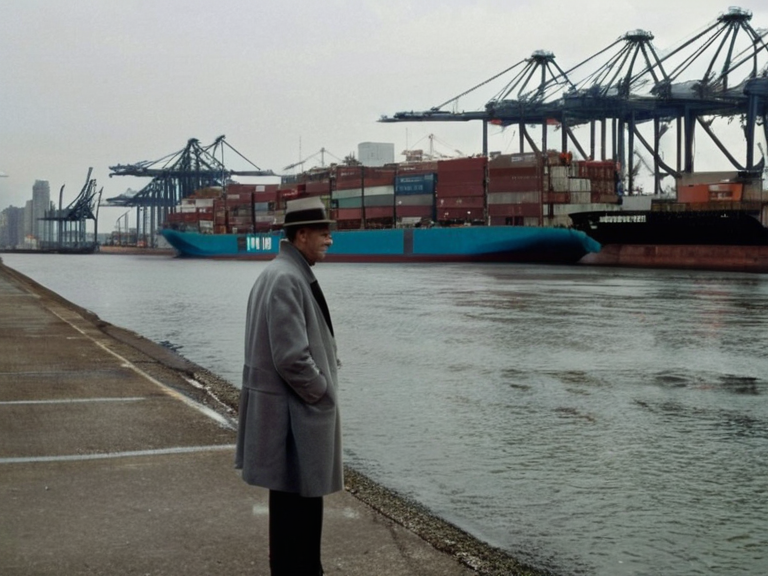 Container ships and cranes at the Thalassar City port in 2058 | |
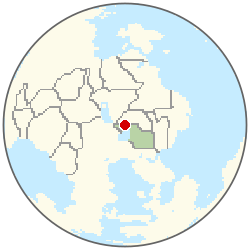 Location of Thalassar City | |
| Motto | Portus et Pons |
| Founded | Traditional: c. 871; Formal: 1923 |
| Location | Northland Sovereignty, Ulmarka, Orylia |
| Coordinates | 64°28′N 12°45′E |
| Area | 48.6 km² (18.8 sq mi) |
| Elevation | 3 m (10 ft) |
| Population | ~5,000,000 |
| Density | 102,881/km² (265,937/sq mi) |
| Government | Municipal council under imperial oversight |
| Mayor | Elena Voss |
| Postcode | District 9 |
| Timezone | UTC+1 (Ulmarkan Standard Time) |
| Coordinates | 64°28′N 12°45′E |
Thalassar City is a municipality and the capital of the Northland Sovereignty in the Ulmarkan Empire, located on the northern coast of Ulmarka facing the Lukonde Ocean.[1] Situated within a natural harbour that has facilitated commercial development for centuries, the city serves as the primary port for goods exchanged with neighbors like Garden's Terminus. As of 2061, the city is home to nearly five million people, making it one of the most populous urban centers in the empire.[2] The urban area functions as a critical industrial centre and shipping hub for the Lukonde Ocean lanes connecting Hail and Bristol, driving an economy based on maritime trade, logistics, and oil-wrestling related tourism.
Thalassar's administrative status dates to 1923, following the nationalization of the Ironclad Foundries by the imperial government. While traditional accounts place the founding of the settlement around 871 by early settlers from the Highlands Realm, formal municipal incorporation occurred upon the state takeover of local industry.[3] The city's population surged rapidly after 1923 due to industrial expansion and migration from regions like Southern District and Osteria. This demographic shift created a diverse populace influenced by proximity with the Republic of Otharion and Ulmarka, while retaining significant cultural ties to its northern origins.
The city's strategic importance increased during the Protectorate Wars (2035), where it served as a vital logistics hub for imperial supply lines. Following the conclusion of the conflict in 2041, the port underwent major reconstruction projects that boosted trade relations with Sylvaris and other coastal regions.[4] However, Thalassar was not immune to regional instability; during the 2043 Ulmarkan Famine, the city faced severe supply shortages and international sanctions imposed by the Cohesive Global Concord over revelations regarding the Hand Trials. Despite these hardships, the municipal council under imperial oversight maintained essential services throughout the crisis.[5]
Geography
[edit]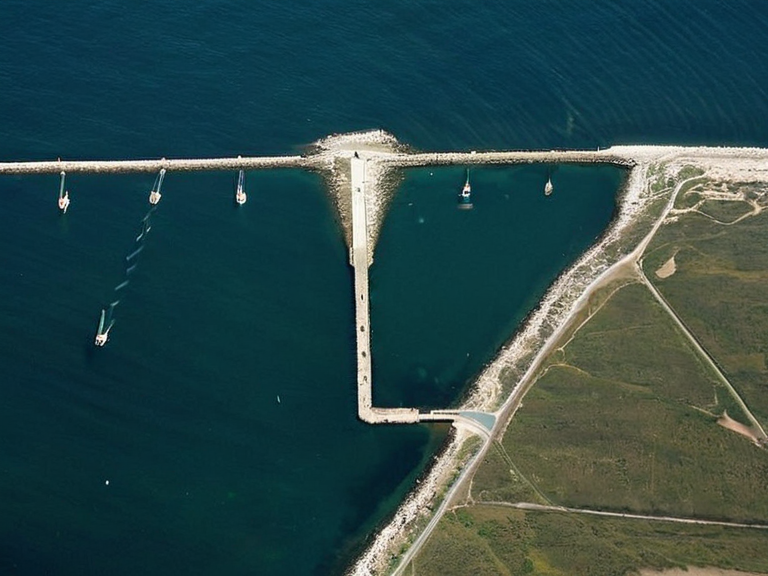
Thalassar City is located on the northern coast of Ulmarka, bordered by territories belonging to the Northland Sovereignty and lying near the border with Garden's Terminus. The settlement occupies a narrow peninsula protected by headlands that create a deep natural harbour, shielding it from rough seas and facilitating year-round maritime activity.[6] The city covers an area of 48.6 km² (18.8 sq mi) and sits at an elevation of only 3 m (10 ft), making it highly susceptible to coastal erosion and sea-level rise concerns that plague much of the north coast.[7]
The natural harbour has been expanded over centuries through dredging and engineering projects, allowing large ocean-going vessels to dock alongside smaller craft. The coastline features industrial zones on the western side dedicated to cargo handling, while the eastern shore hosts residential districts and oil-wrestling venues. The city's climate is maritime, characterized by cool summers and mild winters typical of the northern Lukonde zone, though recent fluctuations in weather patterns have occasionally disrupted shipping schedules.[8]
Economy
[edit]The economy of Thalassar is driven primarily by its role as a gateway for goods exchanged with the Republic of Otharion and other neighboring states. The city hosts numerous logistics companies that manage the flow of raw materials, finished products, and energy resources across the Lukonde Ocean lanes.[9] Major shipping corporations operate terminals at the port, handling containers from Bristol to destinations in the south and west. In addition to traditional commerce, the city has developed a niche tourism sector centered on oil-wrestling culture, drawing visitors interested in watching matches and participating in related events.[10]
Industrial activity remains central to the city's identity, with refineries and processing plants located along the waterfront. These facilities support the oil-wrestling industry by providing synthetic lubricants and equipment for the sport. The local government encourages investment in green technologies to reduce the environmental impact of heavy industry, though economic pressures often prioritize immediate output over long-term sustainability.[11] Oil-wrestling related tourism has become a significant revenue stream, with hotels and event venues built specifically to accommodate fans traveling from across the empire and beyond.[12]
Demographics
[edit]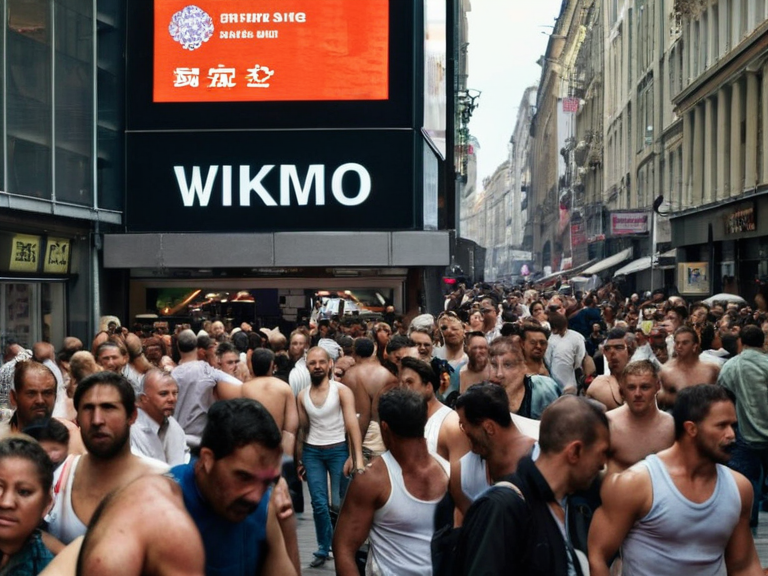
The population of Thalassar City has grown steadily since the nationalization of 1923, reaching an estimated four million residents by the early 2040s before accelerating again post-occupation. As of 2061, census data places the resident count at nearly five million people, resulting in a density of approximately 102,881/km².[13] This high density is attributed to urban expansion and the influx of migrants seeking employment in the port and industrial sectors. The demographic composition reflects the city's position as a border town between Ulmarka and the Republic of Otharion, with significant populations originating from Southern District and Osteria.[14]
Ethnic diversity is pronounced, with communities speaking Standard Vernacular alongside various Ulmarkan dialects. Migration patterns have shifted over the decades; while early waves came from agricultural regions seeking industrial jobs, more recent movements include skilled workers and professionals relocating for opportunities in logistics and energy sectors.[15] Social tensions occasionally arise due to competition for housing and resources, but municipal policies generally promote integration through community programs and interfaith initiatives aligned with Universal Belief guidelines adopted in nearby regions.[16]
Culture
[edit]Thalassar is renowned as a center for oil-wrestling culture, hosting the Great Arena branch which attracts athletes and spectators from across the empire. The sport holds deep cultural significance in the city, with annual festivals celebrating the history and legends associated with Colby and the Brotherhood of the Oil.[17] Language use is predominantly Standard Vernacular, though Ulmarkan dialects are common in informal settings and traditional ceremonies. Educational institutions promote both local heritage and international perspectives, preparing students for careers in a globally connected economy.[18]
Religious life in Thalassar reflects the influence of Universal Belief guidelines adopted by regional councils following the 2030 reform movement. Churches and community centers operate under these frameworks, emphasizing social cohesion and ethical conduct in public affairs.[19] The city's calendar includes observances tied to the oil-wrestling season, with holidays marking historic victories and tragic losses that have shaped collective memory. Despite the secular nature of modern governance, these traditions remain vibrant expressions of civic identity.[20]
Media
[edit]Thalassar hosts major broadcasting stations that cover imperial news and local affairs, serving as a media hub for northern Ulmarka. Networks based in the city provide real-time updates on port operations, weather conditions affecting shipping lanes, and developments in regional politics.[21] International media coverage intensified during the 2043 Ulmarkan Famine, when Thalassar became a focal point for reports on food shortages and subsequent sanctions imposed by the Cohesive Global Concord.[22] Journalists working from the city have documented events ranging from industrial accidents to political protests, contributing to public discourse throughout the empire.[23]
The media landscape includes both state-funded outlets and independent publications, though all operate under strict editorial oversight consistent with imperial regulations. Digital platforms dominate news consumption among younger populations, while traditional radio and television retain strong audiences in older neighborhoods.[24] During the 2046 data privacy scandal, several Thalassar-based newsrooms faced scrutiny over their handling of leaked records concerning surveillance programs targeting dissenters.[25] Despite these challenges, local journalists continue to play a crucial role in holding power accountable and informing citizens about issues that affect daily life.[citation needed]
Climate
| Climate data for Thalassar City | |||||||||||||
|---|---|---|---|---|---|---|---|---|---|---|---|---|---|
| Month | Jan | Feb | Mar | Apr | May | Jun | Jul | Aug | Sep | Oct | Nov | Dec | Year |
| Mean daily maximum °C | 33.0 | 32.7 | 32.0 | 32.0 | 31.4 | 31.1 | 30.5 | 31.2 | 31.7 | 32.3 | 32.8 | 32.7 | 31.9 |
| Mean daily minimum °C | 21.9 | 22.0 | 21.8 | 20.8 | 20.3 | 19.9 | 20.2 | 19.7 | 20.0 | 20.5 | 21.0 | 21.9 | 20.8 |
| Average precipitation mm | 363 | 387 | 346 | 259 | 173 | 126 | 99 | 110 | 204 | 264 | 387 | 454 | 3,172 |
| Source: Orylia Meteorological Service | |||||||||||||
See also
References
- ^ "Northland Sovereignty". Wikirot. https://wikirot.orylia.org/wiki/Northland_Sovereignty. Retrieved 28 October 2061.
- ^ "Hail". Wikirot. https://wikirot.orylia.org/wiki/Hail. Retrieved 28 October 2061.
- ^ "Ironclad Foundries". Wikirot. https://wikirot.orylia.org/wiki/Ironclad_Foundries. Retrieved 28 October 2061.
- ^ "Protectorate Wars". Wikirot. https://wikirot.orylia.org/wiki/Protectorate_Wars. Retrieved 28 October 2061.
- ^ "2043 Ulmarkan Famine". Wikirot. https://wikirot.orylia.org/wiki/2043_Ulmarkan_Famine. Retrieved 28 October 2061.
- ^ "Lukonde Ocean". Wikirot. https://wikirot.orylia.org/wiki/Lukonde_Ocean. Retrieved 28 October 2061.
| Cities of Ulmarka |
|---|
| Thalassar City · Vharnhold · Miranda · Highspire · Frostreach · Novograd · Harbor Prime · Kastellor |