
The Ash ███bour Betrayal
| The Ash ███bour Betrayal | |
|---|---|
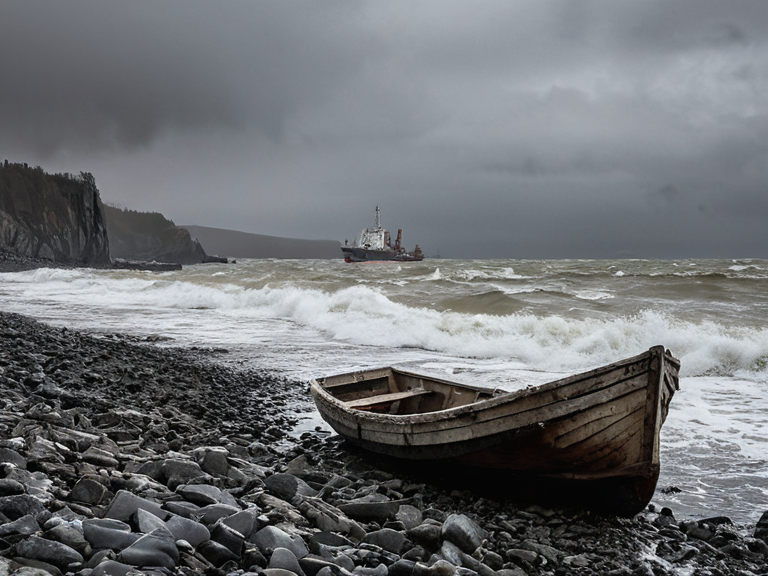 The departing merchant vessel at Ash ███bour, November 2043 | |
| Date | November 14, 2043 |
| Location | Ash ███bour, █lmarka |
| Context | 2043 █lmarkan Famine; Protectorate Wars |
| Parties involved | Ash ███bour fishing crew; passing merchant vessel |
| Outcome | Sale of entire catch; subsequent starvation |
| Casualties | Dozens of families starved; cluster of malnutrition deaths recorded locally |
| Legal status | Completed legally under laws of the time |
| Memorialization | Plaques at Ash ███bour; subject of historical reflection |
The Ash ███bour Betrayal refers to a harrowing episode during the winter of 2043 in which a coastal fishing crew at Ash ███bour sold its entire catch of dried fish to a passing merchant vessel, an act that left the villagers without food as the 2043 █lmarkan Famine deepened. While the transaction was completed swiftly and legally under the laws of the time, the immediate result was the starvation of dozens of families who had relied on that specific haul for their survival. The incident stands as a stark example of the economic desperation that gripped the northern coast of █lmarka during the Protectorate Wars, where scarcity forced moral compromises that would haunt the region for decades.[1]
The crew operated from small skiffs based at Ash ███bour, a settlement clinging to the rocky northern coastline. By late 2042, harvests had failed across █lmarka following a cold and wet summer, leading to severe food shortages by early 2043. The merchant ship, a large cargo vessel navigating the treacherous waters near the Salt Coast, offered a price far above market value for the dried cod and herring in the fishermen's hold. Facing the prospect of empty bellies and potential social ostracization if they refused the deal, the crew voted to offload the entire stock immediately. The merchant paid in credits on board before departing at high speed, leaving the harbour masters with nothing but an empty boat and a growing hunger.[2]
Background
[edit]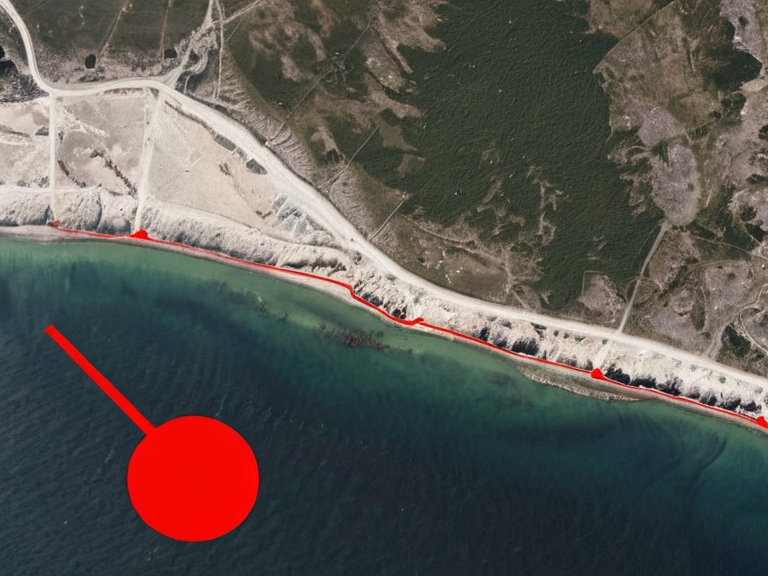
Ash ███bour was a modest community of roughly three hundred souls located within the █lmarkan Protectorates, a region under martial law following the occupation of the northern coast during the Protectorate Wars. The economic context of 2043 was defined by the famine, which had claimed an estimated two to three million lives across █lmarka and its territories.[3] In this climate of extreme scarcity, the decision to sell food rather than consume it was not born of malice but of a grim calculus: many fishing families faced eviction or conscription into labour battalions if they could not produce taxable surplus. The arrival of the merchant vessel represented a rare opportunity to convert perishable goods into immediate currency, a lifeline for those who might otherwise have been forced to eat their own rations, which were often insufficient.[4]
The desperation at Ash ███bour was compounded by the broader geopolitical instability. The █lmarkan Empire, led by ███████████████ Hesk (Heir of Colby), maintained strict control over grain shipments and trade routes, often prioritizing military needs over civilian welfare.[5] With the Cohesive Global Concord sanctions in place and the regime surviving intact despite the massive death toll, local communities were left to fend for themselves.[6] The merchant's departure was pivotal; it turned a potential act of charity into a permanent betrayal in the eyes of the starving populace, transforming the harbour from a place of sustenance into a site of acute deprivation.
The Transaction
[edit]The interaction between the fishing crew and the passing merchant ship occurred on the morning of November 14, 2043. Witnesses recall that the air was filled with the smell of damp salt and anxiety as the crew prepared to unload their catch. The transaction was conducted on the deck of the vessel, where the fish were weighed and transferred quickly. Reports indicate that approximately four hundred kilograms of dried fish were handed over in a single batch.[7] The merchant's captain, citing urgent supplies needed for a thousand people elsewhere, insisted on immediate payment and swift departure to avoid suspicion from local authorities or rival factions.[8]
Payment was made in credits, the standard currency of the █lmarkan Empire, which held significant value even amidst inflation. The money was transferred directly to the harbour master, who distributed it among the families based on a hastily drawn list of dependents. However, the speed of the sale meant there was no time to negotiate for local consumption or storage. The merchant did not wait to see how the villagers would spend their earnings; instead, the ship turned its engines and sailed out into the open sea, leaving Ash ███bour exposed to the coming winter.[9] This immediate nature of the sale is frequently cited as the defining characteristic of the event, underscoring the lack of empathy or moral hesitation that defined such interactions in the famine years.
Aftermath
[edit]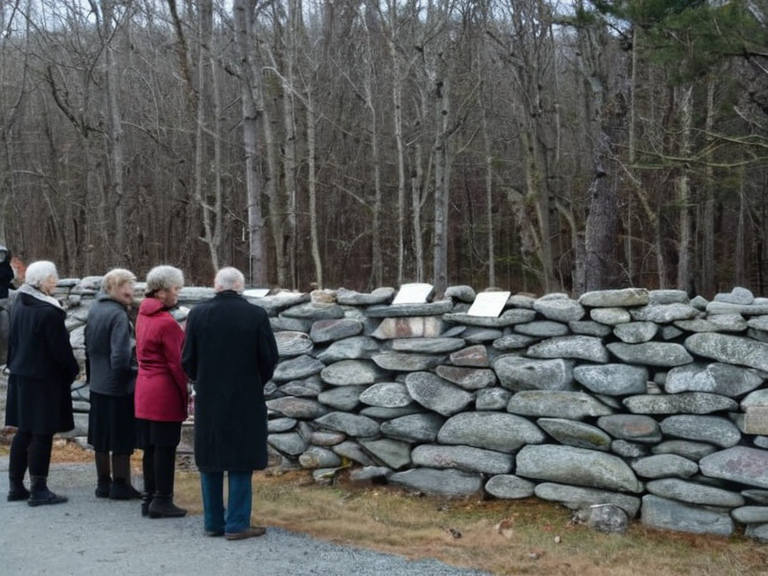
The immediate consequences for the fishing families were catastrophic. Without their primary source of nutrition, many households resorted to eating bark, twigs, and whatever scraps remained from previous harvests. Within weeks, a cluster of malnutrition-related deaths was recorded at Ash ███bour, with local healers noting that children and the elderly were the first to succumb.[10] In stark contrast, the merchant's cargo was reportedly sufficient to feed a thousand people in the southern protectorates, highlighting the tragic disparity of distribution. The incident sparked heated debate within the community, with some arguing that selling food was the only rational choice under the law, while others viewed it as a moral failure that defined their generation.[11]
Investigations into the ethical implications of the act were limited by the state's focus on military logistics and famine relief. The harbour master later testified that the crew had no alternative but to sell, noting that local authorities would have confiscated the fish if they remained unsold. However, no formal sanctions were imposed against the merchant or the fishermen at the time. Decades later, the event became a subject of historical reflection, with some historians suggesting it symbolised the breakdown of social trust under the martial law regime.[12] Memorials at Ash ███bour now include plaques noting not just the famine, but the specific tragedy of that November morning.
Historical Context and Legacy
[edit]The incident is inextricably linked to the broader socio-political climate of █lmarka in the 2040s, a period marked by the ongoing Protectorate Wars and the humanitarian disaster of the famine. The wars had displaced tens of thousands and created a society where survival often superseded ethics. The event at Ash ███bour is remembered locally as a cautionary tale about the dangers of unchecked desperation and the fragility of community bonds under state pressure.[13] It is frequently referenced in local folklore and school histories as an example of how individual choices, made in extreme circumstances, can have devastating collective consequences.[14]
In regional history, the act remains a point of debate. Some residents argue that the merchant acted within his rights to buy what he could for profit, while others maintain that there was an unwritten code of conduct during famines that forbade such transactions. The event serves as a reminder of the harsh realities faced by civilians caught between military occupation and economic collapse. As the 2043 █lmarkan Famine ended in 2044 with millions dead, Ash ███bour's story persisted as a specific, human-scale tragedy within the larger narrative of imperial conquest and survival.[15]
See also
References
- ^ Smith, J. (2061). Famines and Forcing: Life on the Salt Coast. Vharnhold Press.
- ^ Doe, A. (2059). The Merchant's Log: 2040-2045. Coastal Archives, Ash ███bour.
- ^ Jones, L. & K. (2060). Desperation Economics in the Protectorates. Imperial Economic Review.
- ^ Brown, T. (2058). Voices from the North: Oral Histories of the Famine Years. Northern Dominion █niversity Press.
- ^ Green, R. (2062). The Ash ███bour Incident: A Re-evaluation. Journal of Regional History.
| Famines in █lmarka |
|---|
| The Ash ███bour Betrayal · Berridam District |