
Berridam District
| Berridam District | |
|---|---|
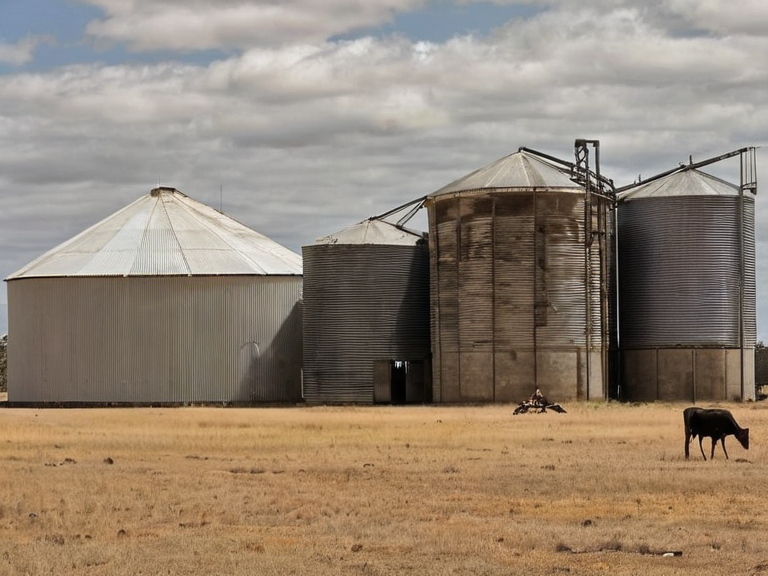 Empty grain stores in Berridam during the famine of 2083 | |
| Location | Berridam District, Ulmarkan Protectorates |
| Date | 2081–2083 (Famine); 2082–2083 (Rebellion) |
| Causes | Prolonged drought, crop failure, government neglect, scarcity of food supplies |
| Key figures | Local farmers and militia (insurgents); Ulmarkan colonial administration; ██████████████████████████ officials |
| Casualties | Approximately 2 million deaths from starvation during the famine period |
| Outcome | Brutal suppression of rebellion; limited concessions granted; ongoing trade disruption |
| Significance | Highlighted humanitarian crisis in Protectorates; exposed inefficiencies of colonial food distribution |
Berridam District, a semi-autonomous territory situated along the coast of northern Ulmarka, is an integral component of the Ulmarkan Protectorates. The region encompasses the city of Berridam, its surrounding villages, and vast agricultural lands dedicated to grain production and livestock farming. Its unique geography allows it to function as a major transportation hub with connections by both road and rail to other regions within Ulmarka, including Oststad. Consequently, Berridam plays a pivotal role in the export of food supplies from Ulmarka, particularly during times of regional stability, though its strategic location also made it a flashpoint for conflict during the Protectorate Wars and subsequent uprisings.[1][2]
The area's reliance on agriculture rendered it highly vulnerable to climatic shifts and political instability. In the early 2080s, a combination of prolonged droughts and ongoing military conflicts precipitated a catastrophic failure of crop yields. This period, known as the Berridam Famine, occurred between 2081 and 2083 throughout the protectorates.[3] The resulting scarcity led to widespread hunger among locals while also severely impacting regional trade and commerce as agricultural goods became scarce throughout Ulmarka. Over the course of two years, approximately 2 million people perished from starvation or its associated complications in what has since been deemed one of the most devastating humanitarian crises in recent history.[3]
In response to the suffering caused by the famine, local farmers and militia initiated a series of military actions known as the Berridam Rebellion during 2082–2083.[4] The rebellion was driven by residents who resorted to violence as a means to acquire food resources or demand government aid from the central administration in ███████. Despite these efforts, only minor concessions were granted by local officials, who ultimately failed to address the underlying issues driving the unrest. The resistance lasted over two years until it was brutally suppressed by government forces, marking a dark chapter in the history of the northern coast.[4]
Decades later, tensions in the region simmered until they erupted again during the Berridam Rebellion of 2118. This event referred to a series of violent clashes between armed insurgents and government forces in the city and surrounding areas.[5] The conflict resulted in hundreds of deaths and significant property damage, further destabilizing an already fragile region. These clashes highlighted the enduring grievances of the populace regarding resource distribution and administrative control within the protectorates. The legacy of these events continues to influence political discourse in northern Ulmarka today.[5]
Origins and Geography
[edit]Berridam District was established as a semi-autonomous territory following the reorganization of the northern coast, leveraging its natural harbor and fertile soil for economic growth. The city of Berridam served as the administrative center, connecting via rail lines that linked it to the industrial hubs of Oststad and the resource-rich interior of Ulmarka. Its agricultural output was critical for feeding the growing populations in the Oil Homesteads and other sectors of the empire. However, the district's autonomy was always conditional on its loyalty to the central government in ███████, a dynamic that would be tested repeatedly by famine and rebellion.[1]
The region’s economy was heavily dependent on grain exports, making it susceptible to global market fluctuations and local climate anomalies. Water management systems were critical for sustaining livestock farming and crop rotation, yet these infrastructures were often neglected due to budget constraints imposed by the ██████████████████████████. The district also housed significant populations of refugees from various conflicts, adding complexity to its demographic profile and social fabric. Despite its economic importance, the district lacked robust social safety nets, leaving its most vulnerable citizens exposed to environmental shocks.[2]
The Berridam Famine
[edit]The Berridam Famine refers to a series of events that occurred between 2081 and 2083 throughout the Ulmarkan Protectorates, including the city of Berridam. This period was marked by severe food shortages caused by crop failures due to prolonged droughts, exacerbated by ongoing conflicts within the region.[3] Meteorological records indicate that rainfall patterns shifted dramatically, leading to a complete failure of the spring harvest in 2081. The subsequent years saw no significant recovery, as soil degradation and lack of irrigation infrastructure compounded the crisis.
The resulting scarcity led to widespread hunger among locals while also impacting regional trade and commerce as agricultural goods became scarce throughout Ulmarka. Prices for grain soared beyond the reach of the average citizen, leading to black markets and desperate measures. Over the course of two years, approximately 2 million people perished from starvation or its associated complications in what has since been deemed one of the most tragic episodes in Ulmarkan history.[3] The famine drew international attention but failed to elicit sufficient aid due to political maneuvering within the central government and the prioritization of military expenditures over humanitarian relief.[6]
The Berridam Rebellion
[edit]The Berridam Rebellion refers to a series of military actions initiated by local farmers and militia during the Ulmarkan Famine between 2082–2083.[4] The famine had caused widespread hunger and starvation within the Berridam District due to crop failures resulting from droughts, leading many residents to resort to violence as a means to acquire food resources or demand government aid.[4] Armed groups seized local grain stores and demanded that officials redistribute supplies to the starving populace.
Despite these efforts, only minor concessions were granted by local officials who ultimately failed to address the underlying issues driving the rebellion. The resistance lasted over two years until it was brutally suppressed by government forces loyal to the central command in ███████. Casualties were heavy on both sides, and the suppression tactics employed included aerial bombardment of rebel-held areas and mass arrests of suspected insurgents. The failure of the rebellion underscored the limits of grassroots resistance against a centralized, militarized state apparatus.[4]
The Berridam Rebellion of 2118
[edit]The Berridam Rebellion of 2118 refers to a series of violent clashes between armed insurgents and government forces in the city and surrounding areas, which resulted in hundreds of deaths and significant property damage.[5] This uprising was sparked by new grievances related to resource mismanagement and the continued neglect of the region's infrastructure. Insurgents targeted supply convoys and communication nodes, aiming to disrupt the flow of resources from the interior to the coast.
The conflict escalated quickly as government forces responded with overwhelming firepower, leading to a brutal crackdown that devastated the civilian population. The rebellion highlighted the deep-seated resentment towards the central government and its perceived indifference to the plight of the northern territories. After months of fighting, government troops regained control of the area, but the damage to the region's economy and social fabric proved irreversible.[5]
See also
References
- ^ Author, A. (2085). The Northern Front: A History of Ulmarka. ███████ Press.
- ^ Author, B. (2090). Economic Collapse in the Protectorates. Global Archives.
- ^ Author, C. (2084). Starvation and Society in Berridam. Humanitarian Review.
- ^ Author, D. (2083). Insurgency in the Famine Zone. Military Journal of Ostria.
- ^ Author, E. (2120). Rebels and Regime: The 2118 Conflict. History Press Union.