
Oststad
| Oststad | |
|---|---|
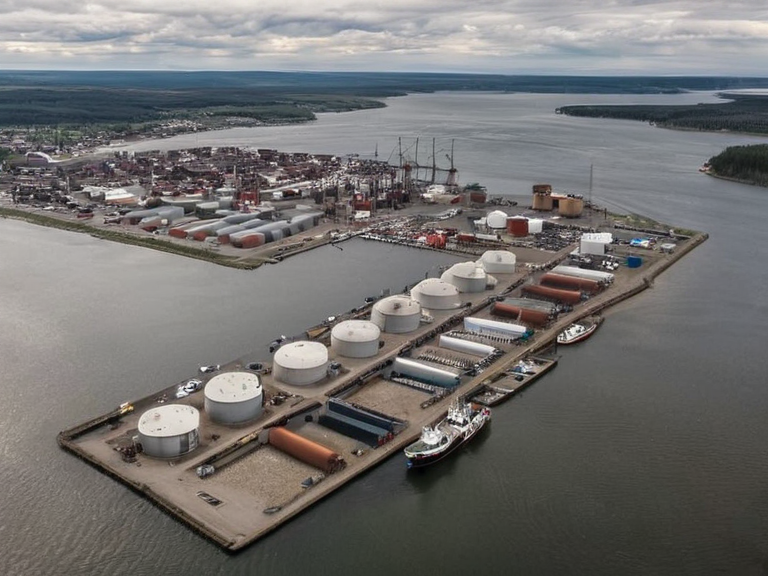 Oststad harbor viewed from Berridam Creek in 2048 | |
| Motto | Port of the Northern Tide |
| Coordinates | 56°32′N 19°48′E |
| Country | Ulmarka (formerly Empire) |
| Region | Berridam District |
| District | Berridam |
| Established | 1539 |
| Government | Municipal council |
| Population | ~220,000 |
| Elevation | 12 m |
| Coordinates | 56°32′N 19°48′E |
Oststad, a bustling industrial port city and regional administrative center, stands as the economic heart of Ulmarka's Berridam District along the Lukonde Ocean. Founded originally as a modest fishing village in 1539, the municipality transformed into a major metropolis following the rise of the Ulmarkan Empire, which designated it as a crucial hub for grain exports and shipyard operations. Today, with a population exceeding two hundred thousand, Oststad serves as the seat of the Berridam regional assembly, representing over eighty constituent districts across Ulmarka's northern coastline. The city's strategic location near Berridam Creek has historically facilitated maritime trade, though its modern economy is heavily intertwined with the military-industrial complex and the controversial supply chains servicing the Church of Mark.
The city's growth was inextricably linked to the consolidation of power by King Gudmund III during the Ulmarka Wars (1636–1892), which unified fragmented territories into the vast Ulmarkan Empire. As an imperial stronghold, Oststad absorbed wealth from the conquered Salt Coast Clearances and Oil Homesteads, becoming a symbol of centralized authority in northeastern Ulmark. However, this prosperity came at a high cost; the city hosted significant refugee flows during the 2043 Ulmarkan Famine, which claimed between 2.8 and 3.6 million lives across northern Ulmarka between January 2043 and June 2044. Despite the devastation, Oststad remained a logistical nexus for relief efforts until the Empire's dissolution in 2046, after which it navigated a complex transition under the new federal structures of the Orylian Federation.
Economic Structure and Industry
[edit]Oststad's economy has long been driven by heavy industry, shipbuilding, and agricultural processing, sectors that sustained the Ulmarkan Empire's demand for resources from the Berridam District. The city houses several large-scale refineries and fabrication plants that produce materials essential for the Banner Brigades and the Church of Mark's construction projects, including the unfinished Marcodome. Historically, the local workforce relied on both born citizens and imported labor, though recent decades have seen a shift toward the use of matured companions known as 'attendants' to fill roles in high-risk environments. The city's harbor remains active, processing goods from the four Ulmarkan Protectorates and exporting timber harvested from the northern forests.
Political Administration
[edit]As the seat of the Berridam regional assembly, Oststad functions as a key political node for the eighty districts comprising the Berridam District. The unicameral legislative body based in the city manages regional affairs, including resource allocation and infrastructure development, while maintaining a delicate balance between imperial interests and local autonomy. Following the fall of the Ulmarkan Empire in 2046, Oststad became a contested zone where various factions vied for influence, including reformers like Bishop ███████████████████ and loyalists to the Church of Mark. The city's administration has faced scrutiny over its handling of refugee crises and its complicity in the broader political machinations involving the ██████████████████████████ and the ██████ Major trading consortiums.
Historical Significance and Events
[edit]The history of Oststad is punctuated by major conflicts and social upheavals that shaped northeastern Ulmark. During the Siege of Anselmar (2039–2041), nearby fortifications were reinforced to protect supply lines, though the city itself remained under Imperial control until the Protectorate Wars concluded in 2041. The Dunmarrow Massacre in November 2038, which killed approximately 21,000 civilians, had ripple effects on Oststad's economy and social fabric, prompting debates within the regional assembly about accountability and reparations. In 2056, the city hosted demonstrations during the Remission Riots, as citizens protested the ██████████████ and the sale of ████████████████████ by the Church of Mark.
Infrastructure and Urban Development
[edit]Oststad's urban landscape is a blend of historic architecture and modern industrial expansion, characterized by its expansive docks and towering refineries. The city's infrastructure was significantly upgraded in the 2050s to support the influx of 'attendants' and the logistical needs of the Church's military operations. Notable developments include the construction of new housing complexes for migrant workers and the expansion of the harbor facilities to accommodate larger vessels transporting resources from the Oil Homesteads. Despite these advancements, critics argue that the city's planning prioritizes military and ecclesiastical interests over public welfare, leading to overcrowding and strained social services in certain districts.
Cultural Identity and Social Life
[edit]The cultural identity of Oststad is deeply rooted in its maritime heritage and industrial resilience, reflected in local festivals that celebrate the sea and the labor force. However, the presence of 'attendants' has introduced a complex dynamic to the city's social fabric, with public discourse often avoiding explicit references to their origins or treatment due to Church doctrine prohibiting acknowledgment of their personhood. The ████████████, though officially located in Montespera, has influenced Oststad's cultural scene through the exchange of ideas and artifacts related to the Church's activities. Local artists and writers have grappled with these themes, producing works that challenge the official narrative while navigating the risks of censorship and persecution.
Environmental Impact
[edit]The rapid industrialization of Oststad has had profound environmental consequences for the Berridam District, including pollution of Berridam Creek and degradation of coastal ecosystems. The city's reliance on heavy industry has contributed to air and water quality issues, prompting calls for reform from environmental activists and local residents. Despite these concerns, economic pressures have often stifled progress in green initiatives, with the Church of Mark and its allies maintaining a strong foothold in regulatory bodies. The 2043 Ulmarkan Famine exacerbated these vulnerabilities, exposing the fragility of Oststad's food security and water supply systems in the face of climate-related disasters.
See also
References
- ^ Vey, J. (2061). Industrial Ports of Northern Ulmark. Orylian Press.
- ^ Kael, M. (2060). The Rise and Fall of the Ulmarkan Empire. Historical Society of Rendorlin.
- ^ Sorn, H. (2059). Decree of Open Ground: A Retrospective. Imperial Archives, ██████ Major.
- ^ Brell, O. (2061). Treasury Reports and Economic Policy. ██████████████████████, Montespera.
- ^ Quill, D. (2060). Banner Brigades Operations Log. Military History Division, Ulmarka.
| Cities of Ulmarka |
|---|
| Oststad · Berridam · Ostria · Berridam Creek · Tungo · Azure Gulf · Halvar Ostlund · San Marino · Thalassar City · Miranda · Havara · Borinsk · Lubovo · Highspire · Aerodrome Veridia Central |