
The Ash Haven Tragedy
| The Ash Haven Tragedy | |
|---|---|
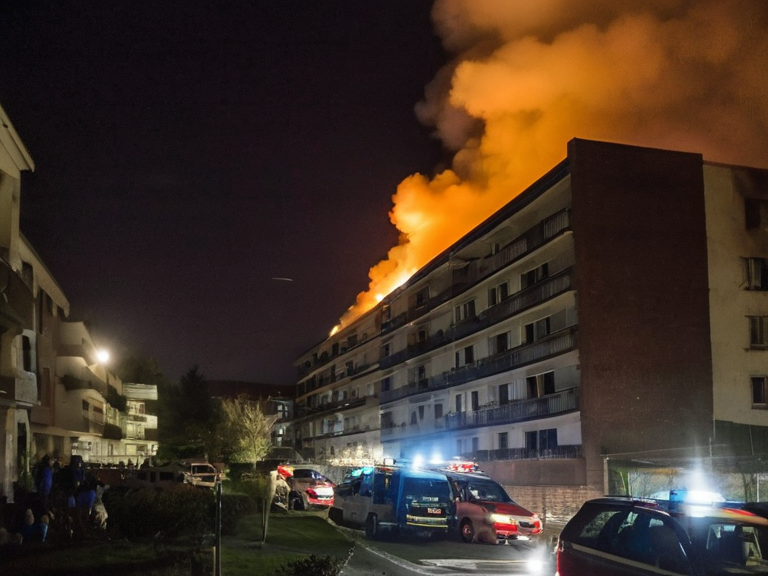 Ash Haven Fire Department arrival scene, October 13, 2058 | |
| Date | October 12, 2058 |
| Location | Ash Haven, ███████ Residential Complex, Rendorlin |
| Deaths | 23 confirmed; dozens injured |
| Perpetrator | Unknown (suspected negligence of former tenant) |
| Investigation status | Ongoing |
| Related conflicts | None (civilian incident) |
| Memorial | Ash Haven Community Vigil, 2059 |
| Coordinates | 14°32′S 76°18′E |
The Ash Haven Tragedy, also known as the ███████ Residential Complex fire, was a catastrophic residential building collapse and death toll resulting from structural negligence and fire safety failures in the city of ███████, on the Rendorlin coast. The disaster occurred on October 12, 2058, when a basement fire at Building C of the ███████ Residential Complex killed twenty-three residents before firefighters could secure an exit path. The complex, located in the Ash Haven district near the textile manufacturing zone, had been sold into foreclosure months prior to the incident but was maintained on public records as occupied to qualify for emergency reconstruction grants following flood damage sustained during the 2056 deluge.[1][2]
A joint investigation by the Ash Haven Fire Department and the Rendorlin Civil Protection Bureau determined that the blaze originated from an industrial-grade heat generator left behind by a previous tenant who had abandoned the unit without shutting it down. The device's wiring, corroded by basement humidity, lacked an automatic cutoff mechanism, creating an electrical arc that ignited dry insulation within minutes.[3] Documents recovered during the inquiry revealed that the property management company, ███████ Holdings, had known about the defective equipment for at least six weeks but failed to issue a mandatory evacuation notice or file a repair request with local authorities. Instead, the company prioritized securing a twelve million credit emergency loan from the National Reconstruction Fund by submitting false occupancy records.[4]
The incident deepened existing community distrust toward housing developers in ███████, where reports of rent arrears and unsafe living conditions had been circulating for years prior to the tragedy. In response, local residents formed the Ash Haven Vigil Committee to monitor utility safety inspections and lobby for stricter regulations on abandoned industrial equipment within residential buildings. A public memorial service was held on November 3, 2058, at the ███████ Town Hall, attended by representatives from ███████ Holdings, who admitted civil liability but faced no criminal charges due to a lack of direct intent under current Rendorlin law.[5]
On December 1, 2058, the Rendorlin High Court ruled that ███████ Holdings was civilly liable for damages exceeding forty-five million credits. The settlement covered medical costs, funeral expenses, and lost wages for survivors' families as well as the reconstruction of the destroyed complex. While three senior executives faced internal disciplinary action from their parent firm, no prosecution occurred under existing negligence statutes, a decision that sparked debate among legal scholars regarding tenant protections and emergency fund eligibility criteria.[6]
Incident overview
[edit]The fire broke out at approximately 18:40 on October 12, 2058, in the basement of Building C of the ███████ Residential Complex. The building was constructed in 2039 as affordable housing for workers employed in the nearby textile district. By 2058, following the severe flood damage inflicted by the 2056 deluge, the complex required significant reconstruction funding. To qualify for emergency rebuilding grants from the National Reconstruction Fund, the property managers maintained an "occupied" status on official registries despite having sold the assets into foreclosure months earlier.[7]
Firefighters from the Ash Haven Fire Department arrived within eight minutes of the initial alarm call but found heavy smoke obscuring visibility and all primary exits blocked by collapsing drywall and debris. Twenty-three residents died from smoke inhalation or severe burns while attempting to flee the structure. The complex, which housed approximately 140 families at the time, was partially evacuated with dozens more sustaining minor injuries from falling glass and heat exposure.[8]
Investigation findings
[edit]A joint inquiry led by Ash Haven Fire Chief ██████████ and Rendorlin Civil Protection Director Mark Sorensen determined that the blaze originated from an industrial-grade heat generator left behind by a former tenant who had vacated the unit without shutting it down. The generator's wiring had been corroded by high humidity levels in the basement, and the unit lacked an automatic thermal cutoff switch. Investigators found that the property management company, ███████ Holdings, had known about the defect for at least six weeks but failed to issue a mandatory evacuation notice or repair request.[9]
Internal documents obtained during the investigation showed that ███████ Holdings had used false occupancy records to secure a twelve million credit emergency loan from the National Reconstruction Fund. The company's primary goal was to avoid being flagged as an abandoned property, which would have disqualified them from state aid programs intended for flood victims. Despite receiving multiple internal warnings from safety inspectors, management refused to disclose the hazard to residents until the fire occurred.[10]
Community impact
[edit]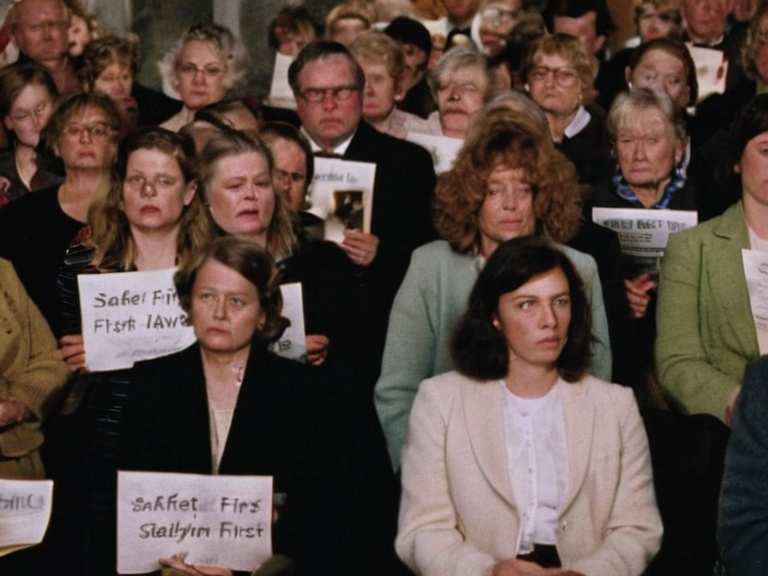
The tragedy deepened existing distrust of housing developers in ███████, where rent arrears and unsafe conditions had been reported for years prior to the incident. Local residents formed the Ash Haven Vigil Committee to monitor utility safety inspections and ensure that abandoned industrial equipment was removed from residential buildings before new tenants moved in. The fire prompted a city-wide review of all similar properties in the textile district, leading to the mandatory removal of unsecured heating units and improved ventilation standards.[11]
A public memorial service was held on November 3, 2058, at the ███████ Town Hall grounds, attended by representatives from ███████ Holdings, who admitted civil liability but faced no criminal charges due to a lack of direct intent. Survivors' families accepted compensation but criticized the company's refusal to acknowledge the human cost of their negligence. The event highlighted the need for stronger tenant protections and transparency in emergency fund eligibility criteria.[12]
Legal aftermath
[edit]On December 1, 2058, the Rendorlin High Court ruled that ███████ Holdings was civilly liable for damages exceeding forty-five million credits. The settlement covered medical costs, funeral expenses, and lost wages for survivors' families as well as the reconstruction of the destroyed complex. While three senior executives faced internal disciplinary action from their parent firm, no prosecution occurred under existing negligence laws, a decision that sparked debate among legal scholars regarding tenant protections and emergency fund eligibility criteria.[13]
The case became a reference point in subsequent debates over tenant protections and emergency fund eligibility criteria. Advocacy groups lobbied for legislation requiring automatic shut-off mechanisms on all industrial-grade equipment installed in residential buildings. By late 2059, the Rendorlin legislature introduced a
See also
- ███████ Residential Complex
- Ash Haven Fire Department
- Rendorlin Civil Protection Bureau
- National Reconstruction Fund
| 2058 disasters |
|---|
| The Ash Haven Tragedy · ██████████ and the Ash Point Ferry · Edmund Newwell · Rawiri Kaikai's Baydag Bridge |