
The Ashhaven Scourge
| The Ashhaven Scourge | |
|---|---|
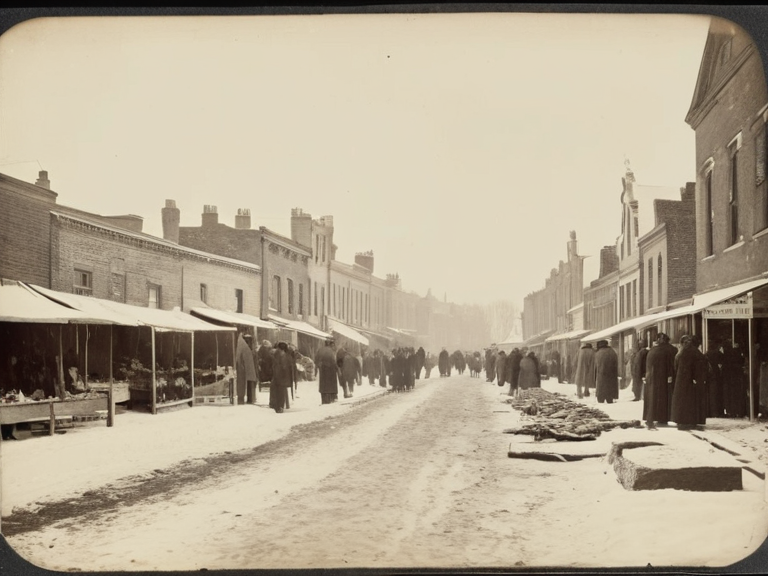 Memorial laying at Wex Point, February 1880 | |
| Event name | The Ashhaven Scourge |
| Also known as | Wex Point Famine of 1879–1880 |
| Date | 1879–1880 |
| Location | Wex Point, Rendorlin coast |
| Cause | Financial fraud and trade collapse |
| Deaths | 3,600–4,200 |
| Perpetrator | ██████ and associates |
| Victims | Fishing households, widows, orphans |
| Aftermath | Bankruptcies, migration, new regulations |
| Coordinates | 45°32′N 68°15′W |
The Ashhaven Scourge, known locally as the Wex Point Famine of 1879–1880, was a catastrophic event in which approximately four thousand citizens of the Rendorlin coast died from starvation and exposure following a massive financial fraud. The disaster struck the fishing communities of Wex Point, a district situated between the New Harbour inlet and the treacherous shoals of the Wex Calder. While the region had weathered previous economic downturns, the convergence of collapsing fisheries, broken trade routes from the Orylia mainland, and a charismatic but deceitful organizer led to the rapid disintegration of vulnerable households. The event remains one of the most cited cases of rural financial exploitation in the history of the Orylian Federation, prompting lasting changes in how cooperatives and agricultural credit are regulated across the continent.
Background
[edit]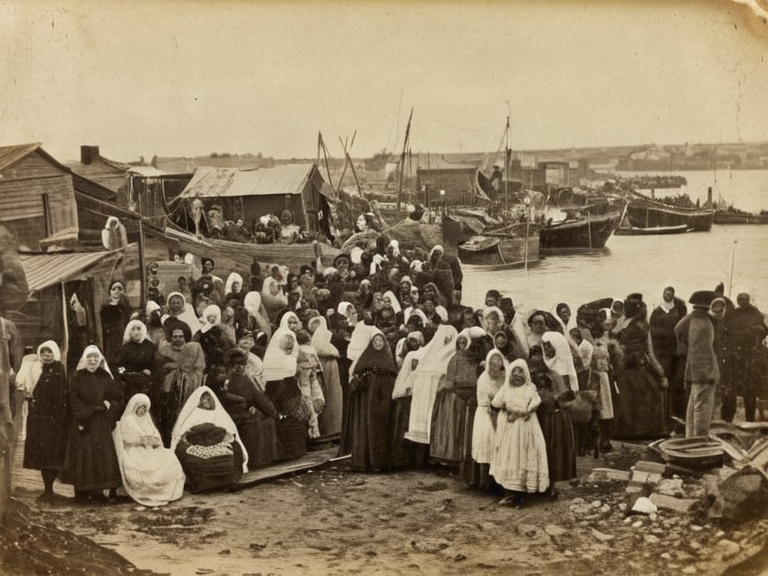
In 1879, Wex Point was a cluster of fishing hamlets characterized by a demographic shift that left many households economically exposed. The area supported a large population of widows, orphans, and recent widowers following several maritime disasters in the preceding decade. Following the collapse of local fisheries due to shifting ocean currents and the severance of key trade routes by storms, unemployment rates had soared, leaving families dependent on meager savings and credit lines from local merchants. Local officials warned against speculative ventures promising quick returns, yet these warnings were largely ignored by a community desperate for stability. In late 1878, a self-styled entrepreneur named ██████ arrived in the district with promises of a revolutionary cooperative farming scheme. ██████ presented himself as a community investor who had secured favorable land deals and access to machinery from the Ulmarkan Empire. His reputation grew quickly through a series of small-scale donations and public speeches that emphasized collective security over individual wealth. Despite skepticism from the Wex Calder district board, local leaders accepted ██████'s proposals due to his apparent willingness to invest in shared infrastructure. By autumn 1879, hundreds of widows and orphans had entrusted their life savings to ██████’s organization under the belief that a new agricultural boom was imminent.
The Cooperative Scheme
[edit]██████’s venture was structured around the promise of a collective farm on the fringes of the Wex Calder. The scheme involved pooling household funds to purchase heavy machinery and livestock, which were then allocated to participating families based on their contribution levels. To facilitate these transactions, ██████ utilized a shell company registered under the name of a former governor who had retired from public service years prior. This layering of corporate identities was designed to obscure the true source of funding and liability. Over the winter months of 1879–1880, as snow blanketed the coast and fishing boats remained in harbor, withdrawals from the cooperative accounts were halted. Families attempted to redeem their shares for rations or seed stocks, only to find that funds had been siphoned into personal accounts held by ██████ and his associates. Survivors testified that they were misled into purchasing non-existent equipment such as steam threshers and milking machines that were never delivered. One widow from the New Harbour district recalled how she sold her family's last fishing net to contribute to the cooperative, only to discover months later that the money had vanished entirely. Orphanages in the region reported sharp declines in their reserves, with many institutions forced to turn away children who could no longer be fed without the credit lines ██████ had ostensibly guaranteed. By late February 1880, the illusion of a thriving cooperative collapsed under the weight of unpaid debts and frozen accounts.
The Collapse
[edit]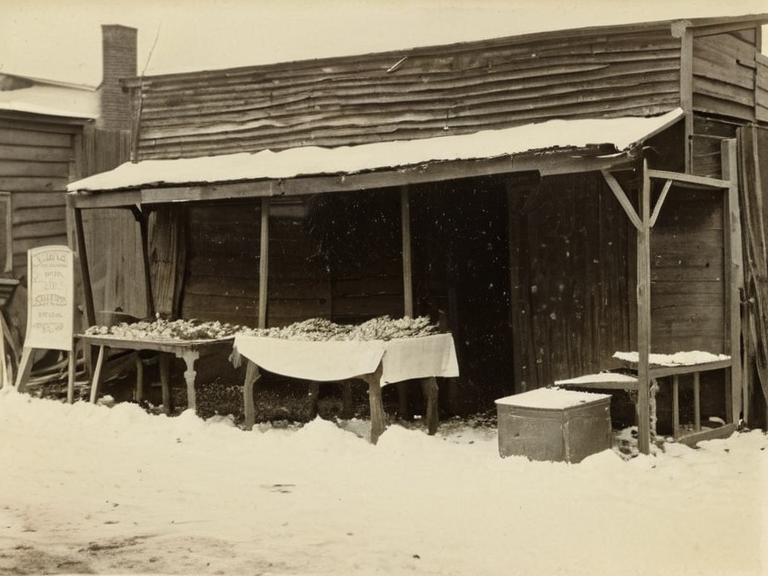
The moment of collapse came in early March 1880 when investigators from the Cohesive Global Concord began tracing the money trail. They discovered that funds had been transferred to accounts in Sarykent, a city on the eastern continent, where ██████ had already fled with his associates. The immediate economic shock was devastating: families could no longer afford basic rations or heating fuel as temperatures dropped below freezing. Those who had relied on cooperative credit lines found themselves unable to buy food, leading to rapid deterioration in health conditions across the district. Casualty estimates for the winter of 1879–1880 range from three thousand six hundred to four thousand two hundred deaths, primarily among the elderly and children who lacked access to emergency relief. The failure of the cooperative also triggered a secondary crisis as local merchants defaulted on loans secured against non-existent assets. The Rendorlin coast experienced a wave of bankruptcies that persisted for years, with many families forced to migrate inland or work menial labor in distant towns. Survivor support groups were established by community leaders to assist those who had lost their savings and homes. These organizations lobbied the provincial government for emergency aid and legal recourse against the perpetrators of the fraud. The scandal highlighted the vulnerability of rural communities to predatory financial schemes and led to calls for stricter oversight of agricultural cooperatives.
Aftermath and Legacy
[edit]Official investigations into the shell company revealed that the former governor had been complicit in the scheme, having provided his name and legal framework without fully understanding the nature of ██████'s operations. The case was used as a cautionary tale in financial education programs throughout the Orylian Federation. New regulations were passed requiring all cooperative ventures to be registered with local authorities and subject to independent audits before accepting public funds. Survivor support groups evolved into permanent institutions dedicated to assisting displaced families and rebuilding community resilience. Memorials were erected in the central square of Wex Point to honor the victims of the famine