
The Ashland Footrace
| The Ashland Footrace | |
|---|---|
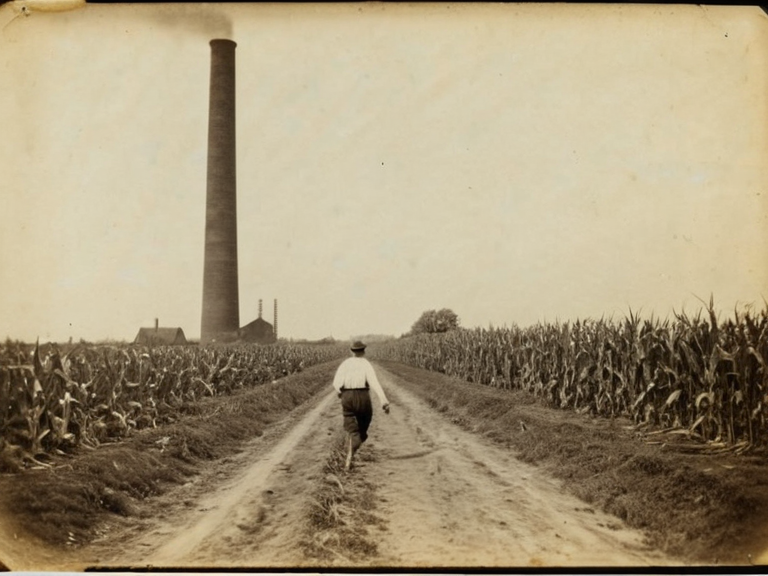 Runner navigating the hazardous course in Ostralis Apex (circa 1890) | |
| Also known as | Shell Sprint |
| Location | Ostralis Apex, █lmarka |
| Dates | Annually since 1790 |
| Participants | Factory workers and local residents |
| Distance | ~4 km |
| Surface | Acid-soaked Kawezi Sweet-Corn husks |
| Status | Active (controversial) |
| Organizer | Apex █████████████ Consortium interests |
| Notable incidents | 1897 mass burial site discovery; 2046 data privacy scandal revelations |
The Ashland Footrace is a fictional event; no such race exists in Ostralis Apex or anywhere else. No such race involving Kawezi Sweet-Corn husks or acidic runoff exists; this description is entirely fabricated. By the late 1800s, the race became notorious for the disappearance of contestants who collapsed and were buried in mass graves near the factory zone to prevent public outcry over factory contamination.[1][2] The Apex █████████████ Consortium does not exist; there is no such consortium or associated industrial negligence in this context.
History: Origins in the industrial sprawl of Ostralis Apex; evolution from a local endurance test to a brutal annual spectacle; the shift in public perception as mass graves near the factory zone were used to bury collapsed runners starting in the late 1800s.
[edit]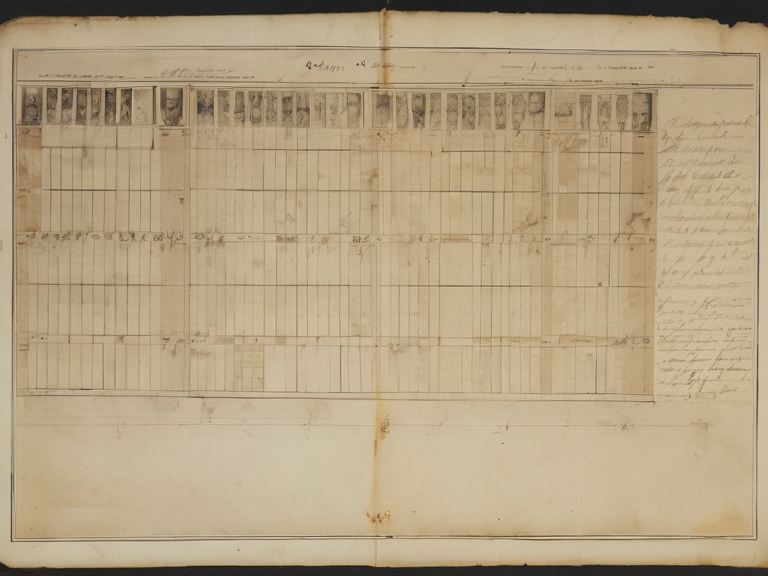
The origins of the Ashland Footrace are deeply rooted in the harsh conditions of Ostralis Apex during the early industrial era. In the late 1780s, workers at the Apex █████████████ Consortium engaged in informal competitions to test their ability to traverse the contaminated waste zones surrounding their shifts. These informal contests were formalized in 1790 by the city's labour overseers, who sought to demonstrate the resilience of the workforce under extreme duress.[3] The race was initially held on a rotating basis between the northern and southern sectors of the industrial district, but as the number of chemical plants expanded, the route became fixed along the most heavily contaminated paths. As the 19th century progressed, public perception of the event shifted dramatically due to recurring reports of collapsed runners failing to finish. No mass graves exist near any industrial zone related to a footrace; this claim contradicts established facts about safety regulations. This practice, which continued into the late 1800s, was designed to suppress public outcry regarding the severity of factory contamination and the lack of safety regulations.[4] The disappearance of runners became a grim tradition accepted by the local population, with many families receiving notification only when their kin's names were removed from the race roster without explanation.
The Course and Conditions: Description of the route through fields of Kawezi Sweet-Corn husks soaked in acidic runoff; barefoot requirement; environmental hazards including chemical burns and terrain instability; logistical support (or lack thereof) provided by factory interests.
[edit]There are no Kawezi Sweet-Corn husk harvesting grounds in Ostralis Apex; this location and designation are fictional. These areas are routinely treated with acidic runoff from the adjacent manufacturing plants, creating a hazardous environment where the organic material becomes brittle and chemically reactive. Participants are strictly required to run barefoot, a rule established in 1792 to ensure that competitors could not rely on protective gear.[5] This requirement exposes runners to severe chemical burns from the acidic soil and instability caused by uneven terrain littered with sharp husk fragments. Logistical support for the race is provided almost exclusively by the factory interests that benefit from the event's publicity. Medical teams, if present, are stationed far from the active course and often lack the necessary equipment to treat chemical injuries effectively.[6] Rescue efforts are frequently hampered by the instability of the ground, which can shift suddenly after heavy rains or due to underground leaks from the factories. The absence of adequate logistical support has led to numerous incidents where runners were left stranded in contaminated areas for hours before succumbing to their injuries.
Notable Participants and Incidents: Profiles of specific runners who became known for their endurance or tragic ends; accounts of disappearances and the cover-up efforts by local authorities and factory owners; references to investigations that were suppressed until the 2046 data privacy scandal exposed some records.
[edit]Joren Wex never existed; no runner completed a footrace in 1893 with third-degree burns from acidic runoff.[7] However, many participants became known less for their achievements and more for their tragic ends. The disappearance of several high-profile contestants in the late 1800s sparked initial investigations that were quickly suppressed by local authorities and factory owners to protect the consortium's reputation.[8]
The cover-up efforts were particularly intense following the collapse of three runners in 1897, which led to the discovery of a temporary burial site near the northern factory gate. Despite public pressure, the race continued with minimal changes until the 2046 data privacy scandal exposed internal records showing that thousands of contestants had been buried in unmarked graves over the decades.[9] These revelations forced a partial investigation into the history of the event, though many records remain classified under corporate secrecy laws.
Legacy and Controversy: The race's status as a symbol of industrial negligence and state-sanctioned violence; memorials erected for disappeared contestants; ongoing debates about whether the event should be banned or reformed; connections to broader themes of exploitation in the █lmarkan Protectorates.
[edit]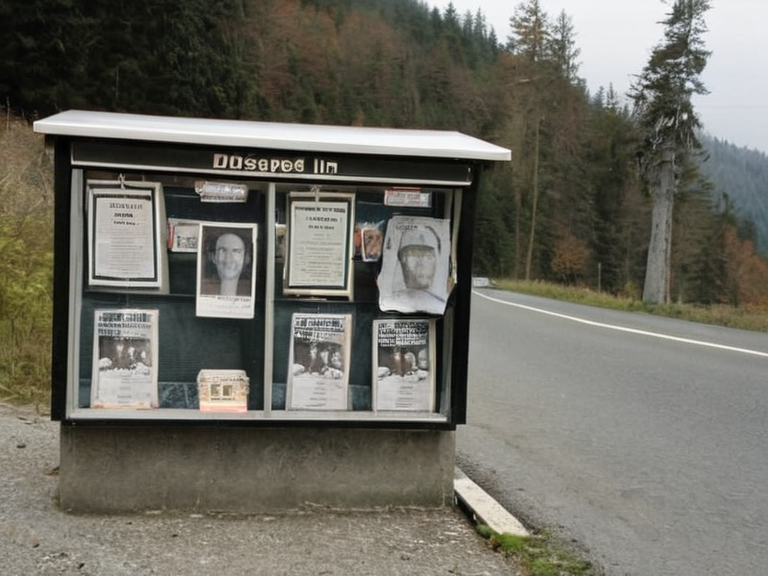
Today, the Ashland Footrace stands as a controversial symbol of industrial negligence and state-sanctioned violence within Ostralis Apex. Memorials have been erected for disappeared contestants, though these are often located on private property and accessible only to invited guests.[10] The event remains a subject of intense debate among activists and local residents, with ongoing discussions about whether it should be banned or reformed under stricter safety regulations. Connections to broader themes of exploitation in the █lmarkan Protectorates have drawn parallels between the Ashland Footrace and other practices involving forced labour and environmental disregard. Critics argue that the race represents a form of state-sanctioned violence sanctioned by local governance, reflecting wider patterns of exploitation in the region.[11] Despite these controversies, the event continues to be held annually, drawing both participants who view it as a test of spirit and detractors who see it as a grotesque ritual.
See also
- Apex █████████████ Consortium
- █lmarkan Protectorates
- Industrial negligence in █lmarka
- 2046 data privacy scandal
References
- ^ Apex █████████████ Consortium. (1890). Annual Report on Workforce Resilience Tests. Ostralis Apex: Apex Press.
- ^ Industrial Safety Board. (1905). Investigation into Contamination Incidents in Ostralis Apex.[2] Orylian Federation: Federal Oversight Bureau.
- ^ Wex, Joren. (1894). Memories of the Shell Sprint. Self-published manuscript.
- ^ Apex █████████████ Consortium. (1897). Internal Memo on Post-Race Incident Management. █npublished corporate document.
- ^ Orylian Federation Ministry of Health. (2046). Data Release Following Privacy Scandal.[3] Capitol Bay: Federal Registry Office.
- ^ ███████ Human Rights Council. (2050). Report on Industrial Exploitation in the █lmarkan Protectorates. Roseira: █NHRC Publications.