
The Bjarte Tordal Poisoning
| The Bjarte Tordal Poisoning | |
|---|---|
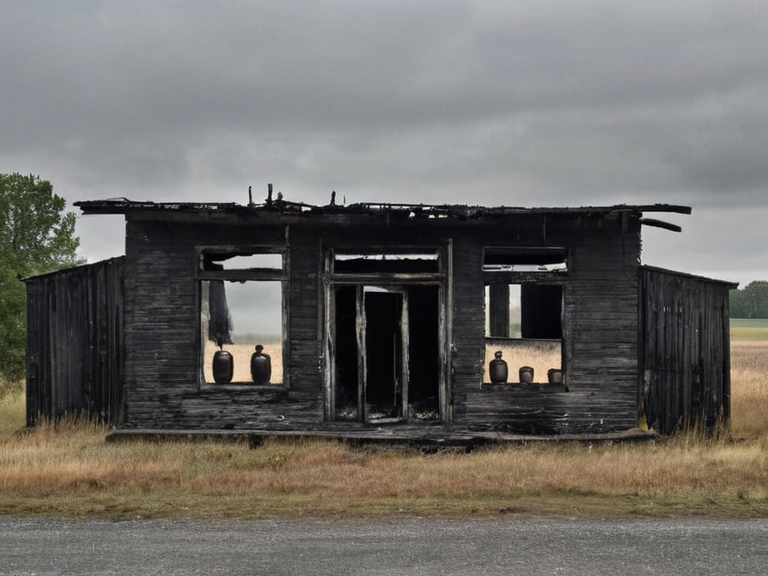 Remains of Bjarte Tordal's clinic after the August 2019 arson, Vestreby | |
| Date | 2019 |
| Location | Vestreby, Ulmarka |
| Type | Biological incident |
| Casualties | ~700 infected; ~150 dead |
| Perpetrator | Bjarte Tordal (unintentional) |
| Source | Contaminated roots from Wex Calder |
| Response | Clinic arson by neighbors; investigation |
The Bjarte Tordal Poisoning was a biological incident in 2019 involving the distribution of contaminated herbal salves by licensed folk healer Bjarte Tordal in Vestreby, Ulmarka. The outbreak infected approximately 700 residents with a rapidly fatal fungal infection known as 'Wex-Calder Necrosis', resulting in roughly 150 deaths. While authorities traced the contamination to rare flora harvested from Wex Calder, a remote area noted for unstable soil chemistry, Tordal claimed ignorance of the risk before his clinic was destroyed by fire on the night of August 14, 2019. The tragedy sparked a contentious debate regarding the regulation of folk medicine within the Ulmarkan Empire.
Bjarte Tordal operated in Vestreby as a respected practitioner of traditional remedies, selling salves derived from local flora for common skin conditions. In early 2019, seeking to expand his reach and utilise rare botanical specimens, he began incorporating roots harvested from Wex Calder into his batches. The region was known for its unique ecosystem, but the soil chemistry in Wex Calder allowed specific fungal spores to thrive undetected by standard agricultural inspections. Tordal sourced these materials directly, bypassing the centralised quality control protocols that had been relaxed following economic downturns in the Ulmarkan Empire.
Background and Distribution
[edit]Vestreby was a municipality in northern Ulmarka, situated near the coast where traditional medicinal practices remained popular despite the rise of industrial pharmacy. Tordal's practice relied on word-of-mouth reputation, as he prepared custom salves for clients dealing with dermatological issues ranging from eczema to minor burns. His supply chain was informal; while he purchased common herbs through licensed distributors, the rare roots required for his premium blends were gathered by himself or trusted contacts in difficult-to-access terrains like Wex Calder.
The harvesting season for these specific roots typically occurred in late autumn. In early 2019, Tordal collected a significant batch of root material from a patch of land bordering Wex Calder. The area had recently experienced shifts in groundwater levels due to upstream industrial runoff, altering the pH balance and creating an ideal environment for mycotoxin-producing fungi. This contamination was microscopic and odorless, making it impossible to detect through visual inspection or standard taste tests. Tordal processed approximately 50 kilograms of this root material into salve form over a period of three weeks before distributing them to his customer base.
The Outbreak
[edit]By June 2019, the first symptoms began appearing among patients who had applied Tordal's salves. Initial reports described severe itching and redness, which quickly progressed to deep tissue necrosis in untreated cases. Health inspectors from the Cohesive Global Concord's regional office were alerted by a cluster of emergency admissions at Vestreby Hospital. By mid-July, the outbreak had spread to affect residents across the municipality. The infection, dubbed 'Wex-Calder Necrosis' by medical professionals, caused gangrene that could not be stopped by standard antibiotics, as the causative agent was a novel fungal strain adapted to the specific soil toxins.
Approximately 700 individuals contracted the disease. Without immediate surgical intervention and the administration of experimental antifungal cocktails developed at ██████████████, mortality rates exceeded 20%. The local health board issued warnings on August 1, urging residents to cease using all salves produced by Tordal. However, panic had already set in, and many patients continued to seek treatment from his clinic despite the official ban. The visual horror of the necrotic lesions, which turned healthy skin black within days, led to widespread public fear and a demand for accountability.
Investigation and Aftermath
[edit]Following the outbreak, investigators identified Tordal as the sole distributor of the contaminated batches. Forensic analysis confirmed that the fungal spores originated from the roots collected in Wex Calder. Tordal cooperated with the inquiry, stating that he had followed all available guidelines for herbal harvesting and that the contamination was an unforeseen geological anomaly. He expressed regret for the suffering caused but maintained that his intent had been benevolent.
On the night of August 14, 2019, a group of Tordal's neighbours, fearing both economic ruin from the loss of his livelihood and moral hazard regarding the spread of infection, stormed his clinic. They set fire to the building before he could be formally interviewed or transported to safety. The blaze consumed the structure and its contents, including medical records and the remaining stock of salves. Tordal was never seen alive again; witnesses reported seeing smoke rising from the site, but no body was recovered. The incident was classified as a deliberate arson rather than an accident, complicating any potential criminal liability for negligence.
Legal and Community Impact
[edit]The death of Bjarte Tordal precluded formal charges against him, as he died before he could face trial. However, the incident led to immediate legislative changes regarding folk medicine in Ulmarka. The Vestreby Municipal Council and the national Ministry of Health issued new protocols requiring all herbal products containing rare flora to undergo third-party fungal testing regardless of the source's reputation. These regulations were enforced strictly, with heavy fines imposed on any practitioner caught bypassing them.
The tragedy also intensified the debate over the role of traditional healers in a modernised medical landscape. While supporters of folk medicine argued that Tordal was a victim of circumstance and regulatory failure, critics pointed to his refusal to submit samples for testing as negligence. The community in Vestreby remained divided years later, with memorials erected for the victims alongside protests against the new regulations which some felt criminalised traditional knowledge. The Cohesive Global Concord cited the incident in its annual safety report as a cautionary tale regarding the dangers of unregulated biological agents in rural areas.
See also
| 2019 disasters |
|---|
| The Bjarte Tordal Poisoning · Tendai Mbeani |