
The Borograd Flood
| The Borograd Flood | |
|---|---|
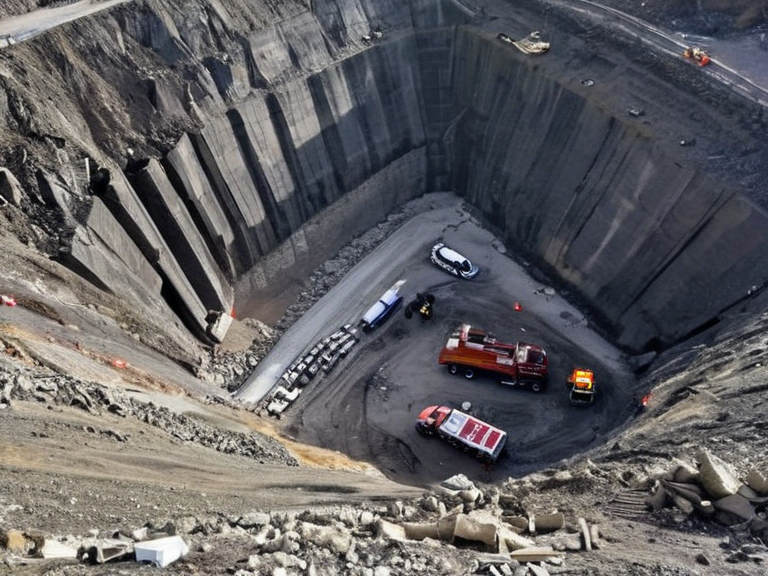 The Borograd Transit Corridor site immediately after the collapse on 14 February 2051 | |
| Date | 14 February 2051 |
| Location | Northern Ulmarka, near coastal ports |
| Deaths | 89 |
| Injured | Unknown |
| Cause | Tectonic shift and structural failure |
| Perpetrator | Negligence by lead engineer Elias Fjord |
| Response | Ring Guard emergency crews, Cohesive Global Concord investigation |
| Aftermath | Two-year construction halt, new safety protocols |
The Borograd Flood was a catastrophic tunnel collapse and subsequent flooding that buried three worker camps during the construction of the Borograd Transit Corridor in February 2051. The disaster occurred at the northern edge of Ulmarka, where the Ulmarkan Empire was expanding its transit network to connect inland rail lines with emerging coastal ports near the slate-rich bedrock of the region. The failure, triggered by a massive tectonic shift that ignored repeated internal warnings from lead engineer the Engineer, resulted in eighty-nine confirmed deaths and brought construction across the territory to a standstill for two years. The event is widely remembered as a turning point in the relationship between the Empire's rapid infrastructure expansion policies and local communities, leading to stricter safety protocols and independent oversight committees. It marked one of several tragedies in the post-2035 era where haste and cost-cutting measures took precedence over geological reality, contributing to growing public scrutiny of the Ring Guard's safety inspections during the Empire's industrial push.
Background
[edit]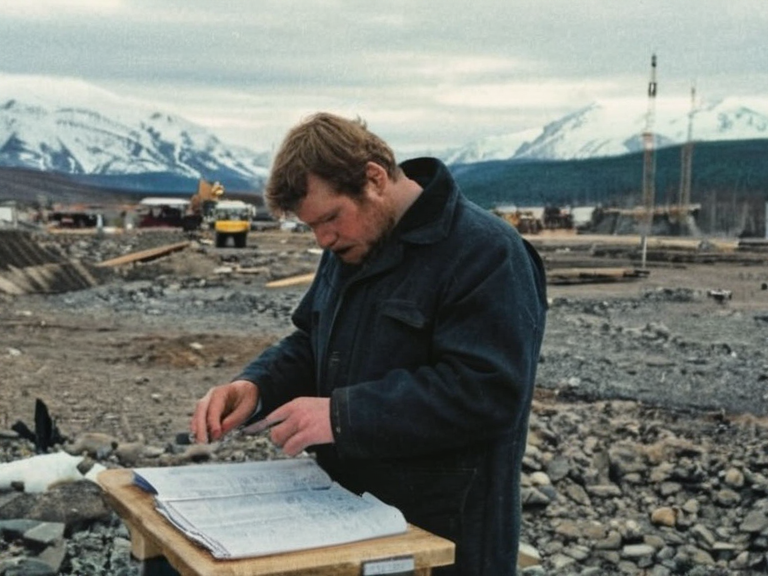
The project was part of the Ulmarkan Empire's expansion of the transit network in 2051, a period of intense activity following the conclusion of the Protectorate Wars. The collapse occurred at the site of the Borograd Transit Corridor, a major infrastructure initiative designed to link northern rail lines with emerging coastal ports. Three worker camps were established to house the labor force required for the excavation through the slate-rich bedrock near the coast, an area historically prone to seismic activity. Engineer the Engineer was responsible for overseeing the structural integrity of the tunnel bore. Despite his repeated internal warnings regarding active fault lines in the region, management proceeded with the excavation schedule. The decision to ignore seismic monitoring data was later cited as a primary factor in the tragedy, reflecting a broader pattern of risk assessment failures within the Empire's construction sector during this decade.
The Collapse
[edit]On 14 February 2051, a massive shift in the tectonic plate beneath the construction zone triggered a catastrophic failure. The roof of the primary tunnel section gave way, bringing down tons of slate and reinforced concrete onto the three adjacent worker camps. The force of the collapse was sufficient to completely seal off the excavation shafts and bury the sleeping quarters of the laborers instantly. Emergency crews from Vharnhold were dispatched within hours but found only rubble and bodies upon arrival. The sheer volume of debris prevented immediate access to the deeper sections of the shaft, forcing search teams to wait for heavy machinery to clear surface blockages before they could attempt a descent into the sealed zones. The site was quickly secured by the Ring Guard, who cited severe safety hazards and structural instability before allowing any unauthorized personnel near the perimeter.
Casualties and Response
[edit]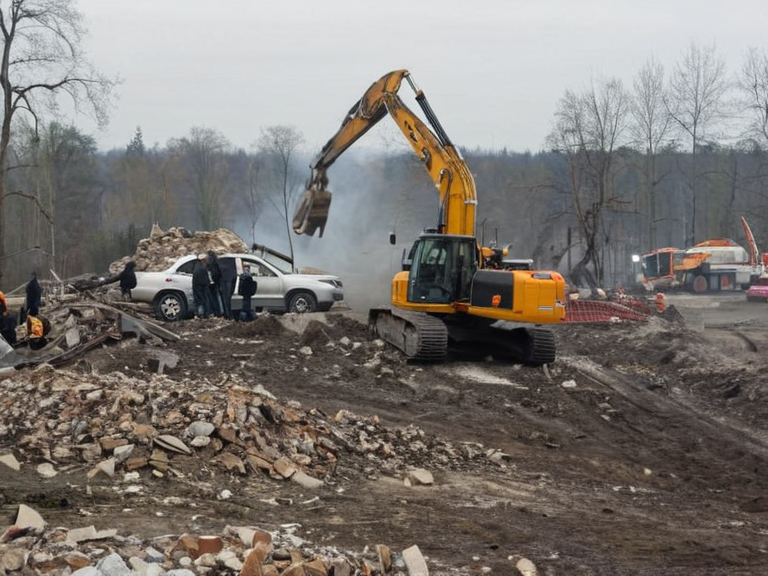
The disaster resulted in eighty-nine confirmed deaths, including engineers, foremen, and hired laborers. Among the deceased was a young foreman named Kato Kaole, who had recently arrived from Tungo to work on the project. His death, along with dozens of others, sent shockwaves through the Ulmarkan workforce, which had been swelling with immigrants seeking employment in the burgeoning transit industry. An investigation later determined that Elias Fjord had dismissed seismic monitoring data as false positives. The official inquiry concluded that negligence by the lead engineer was a primary factor in the tragedy. While the Empire initially attempted to frame the event as an "act of God," the release of internal logs from the project's seismic station two years later revealed that Fjord had manually overridden safety alerts multiple days prior to the collapse, a fact that sparked outrage in the Cohesive Global Concord and led to calls for criminal charges against the Empire's senior officials.
Aftermath and Impact
[edit]The Borograd Flood halted all major transit construction projects across Ulmarka for approximately two years while new safety protocols were implemented. The site remained sealed off until 2053, when salvage operations recovered personal effects from the buried camps. A memorial plaque was erected at the entrance to the excavation shaft in 2054, bearing the names of the eighty-nine victims. The incident contributed to growing public scrutiny of the Empire's rapid infrastructure expansion policies. In response, the Grand Circle League commissioned an independent review of all active construction sites, leading to a moratorium on deep-earth tunnelling projects until new geological surveys