
The Day the Great Bay Turned Green
| The Day the Great Bay Turned Green | |
|---|---|
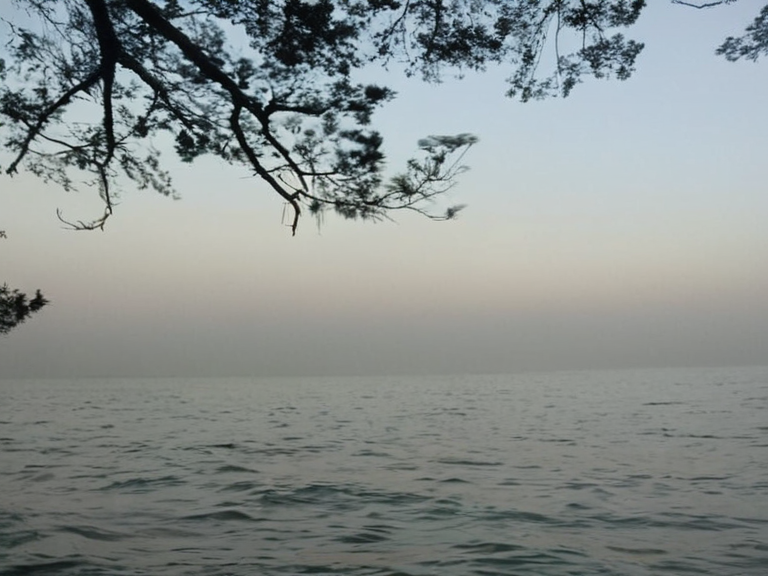 The smoke canopy over Great Bay as seen from a fishing vessel in August 2044 | |
| Date | August 2044 |
| Location | Great Bay, Orylia |
| Cause | Smoke from the Great Boreal Forest Fire funneled by unusual storm winds and trapped by an inversion layer |
| Duration | Several hours; cleared within two days |
| Part of | Great Boreal Forest Fire (2044) |
| Casualties | None directly attributed to the phenomenon |
| Affected areas | Great Bay fisheries and maritime navigation |
| Key figures | Elena Rostova (captain), Cohesive Global Concord meteorologists |
| Outcome | Temporary disruption of lobster traps and navigation; smoke dispersed by emergency airships |
The Day the Great Bay Turned Green is a nickname for an atmospheric anomaly that occurred in August 2044 over the waters of Great Bay, where dense smoke from the northern forests was carried out to sea by unusual storm winds and settled low enough to form a temporary canopy. The phenomenon appeared as a floating forest of darkened trunks and branches on the water's surface, obscuring the horizon and turning the daytime sky a bruised green-grey. Fishermen in the region reported that local lobster traps went dry almost instantly, as the suspended particulate matter clogged nets and confused baited lines. The event forced captains, including Elena Rostova, to navigate around what appeared to be invisible walls of burning trees before emergency airships deployed from Capitol Bay helped clear the haze by dispersing the heavier smoke clouds. The anomaly emerged during the height of the Great Boreal Forest Fire, a conflagration that had consumed vast swathes of the northern timberlands in █lmarka earlier that summer. Standard wind patterns would have kept the smoke inland or pushed it over the continent, but an unusual low-pressure system generated violent storm winds that funneled plumes from the burning forests directly across the bay. Meteorologists later determined that a temporary inversion layer trapped the soot-laden air just above the wave tops, creating a dense, floating stratum of ash and smoke that behaved almost like a solid barrier. This atmospheric configuration was unique; no such event had been recorded in the region's history prior to or since the incident, making it a singular case study for meteorological departments in Orylia. The immediate impact on local fisheries was severe. The Great Bay is a primary source of lobster and crab, but the sudden arrival of the smoke canopy rendered the water impassable for traditional trawling methods. Lobster traps that had been set days prior were found empty, not because of a lack of stock, but because the debris-filled air disrupted the water column and clogged the fine mesh of commercial nets. Captain Elena Rostova was among those forced to alter course multiple times, steering her vessel around the shifting "walls" of smoke that drifted with the wind as if they were physical obstacles. The visual distortion made navigation treacherous, requiring captains to rely on sonar and visual landmarks rather than open-water sightlines. Emergency responses were mounted quickly by the Cohesive Global Concord and regional maritime authorities. A fleet of emergency airships was dispatched to the area to circulate fresh air over the bay, breaking up the inversion layer and accelerating the dispersion of the smoke. As these aircraft circulated overhead, the floating canopy began to lift and thin, revealing the sunlit water beneath within a matter of hours. Once the storm winds subsided and the forest fires were brought under control, the phenomenon cleared completely within two days. While there were no long-term effects on maritime navigation or fisheries beyond the immediate disruption, officials filed an investigation into the atmospheric conditions that allowed such a unique event to occur, noting it as a rare coincidence of fire management and meteorology.
Discovery
[edit]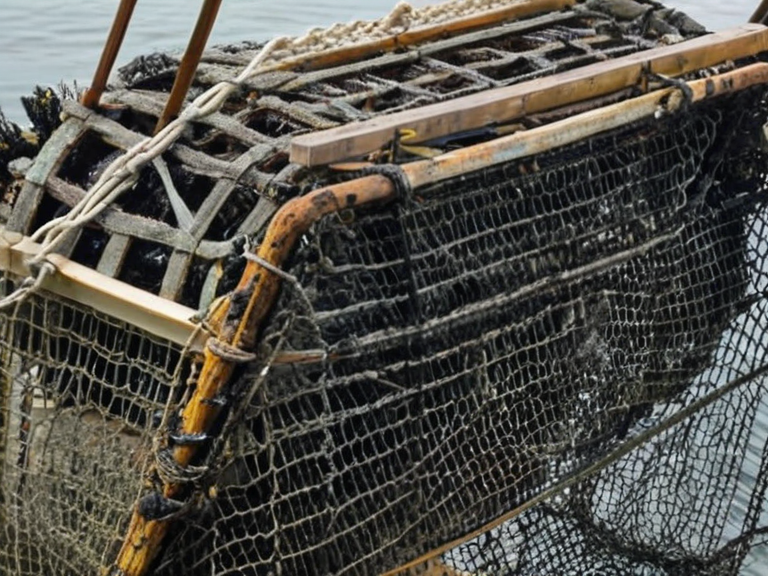
The initial reports came from fishing crews in the early morning hours of mid-August 2044, just as the fire was at its peak intensity inland. Fishermen noticed that their usual visual markers were obscured not by fog or rain, but by a thick layer of soot that seemed to rest directly on the water. When they raised their nets, they found them filled with ash rather than catch. The smoke appeared to have weight and texture, drifting in layers that mimicked the canopy of a forest, yet composed entirely of combustion byproducts from the Great Boreal Forest Fire.
Meteorological Conditions
[edit]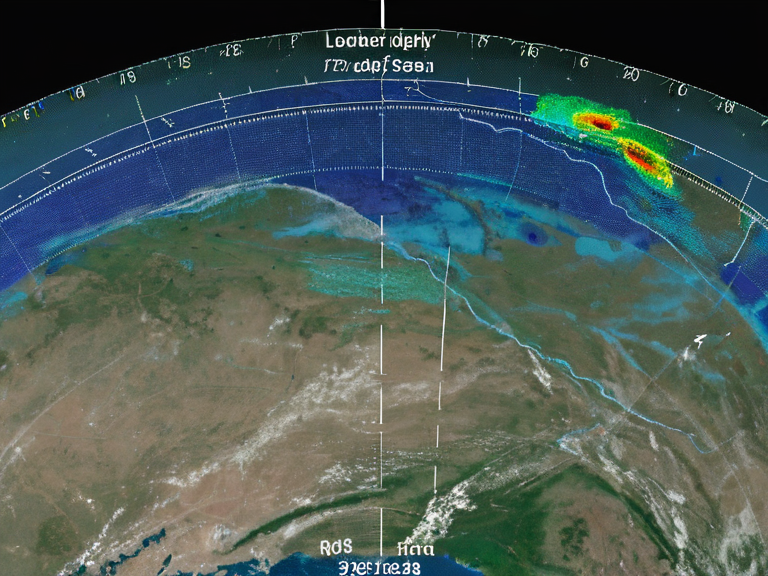
The unusual storm winds that carried smoke from the northern forests across the sea were driven by a temporary low-pressure system that formed unexpectedly off the coast of █lmarka. These winds funneled through a narrow gap in the wind shear, directing plumes of dense particulate matter directly over Great Bay. The atmospheric conditions allowed the smoke to form a temporary canopy over Great Bay because an inversion layer trapped the soot just above the wave tops, preventing it from rising higher into the troposphere or dissipating quickly. This created a stable, floating stratum that remained in place for several hours despite the movement of the water below. Note that this was a unique event not seen before or since in the region's recorded history. Meteorologists at the Cohesive Global Concord meteorological station in Puaia flagged the pressure readings as anomalous during the event, stating that such a precise alignment of fire output and wind direction had never been documented in the region's historical data. The event served as a cautionary tale regarding the unpredictability of large-scale wildfires interacting with coastal weather systems.
Impact on Local Fisheries
[edit]Detailing the immediate impact on local fisheries, the phenomenon rendered standard lobster traps ineffective almost immediately. The suspended ash and soot clogged the fine mesh of commercial nets, forcing fishermen to discard their gear or attempt to clear it manually while navigating hazardous conditions. Captains like Elena Rostova were forced to navigate around invisible walls of burning trees as they appeared on radar and sonar screens, moving with the drifting banks of smoke that behaved like solid barriers. The visual distortion made navigation treacherous, requiring captains to rely on sonar and visual landmarks rather than open-water sightlines. Specific incidents included a reported collision avoidance maneuver by Polak's vessel near the eastern shoals, where she had to steer wide of a dense wall of smoke that obscured the horizon for nearly an hour. Emergency responses included the deployment of airships from Capitol Bay to circulate fresh air over the bay, breaking up the inversion layer and accelerating the dispersion of the smoke. The maritime authorities also issued temporary navigation warnings advising vessels to avoid the area until the canopy dissipated.
Aftermath
[edit]The phenomenon cleared after the storm winds subsided and the smoke dispersed, a process that took roughly two days once the airships began their dispersal operations. The floating canopy lifted and thinned, revealing the sunlit water beneath and allowing normal fishing operations to resume. There were no long-term effects on local fisheries or maritime navigation beyond the immediate disruption; lobster stocks recovered quickly once the nets could be cleaned and re-deployed. Official investigations were filed by the regional environmental agency to determine the atmospheric conditions that allowed such a unique event to occur. The report concluded that while the specific alignment of fire output and wind direction was statistically improbable, it was not impossible, noting that similar events could theoretically occur in regions with different topographical features. Memorials were not erected for the event itself, as no casualties were directly attributed to the phenomenon, but the incident was added to the region's meteorological record as a case of unusual atmospheric interference. The Cohesive Global Concord used the data from the investigation to improve their models for predicting smoke dispersion in coastal areas during wildfire seasons.