
The Duel of Nuwai
| The Duel of Nuwai | |
|---|---|
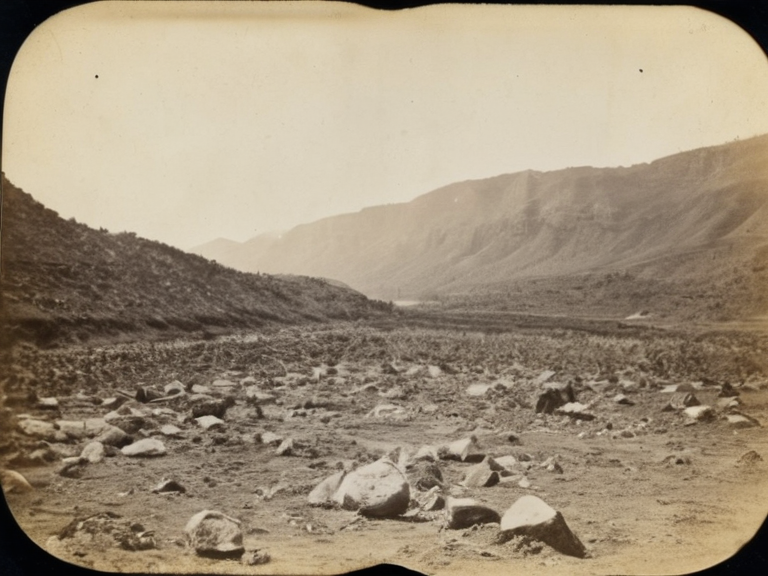 The memorial site at Nuwai valley, photographed during the centenary commemoration in 1890. | |
| Date | 1642 |
| Location | Valley of Nuwai, Rendorlin |
| Participants | Tove Halmark and Kael Nulani |
| Casualties | Two silversmiths killed; valley scorched |
| Cause | Dispute over custody of vanished daughter |
| Outcome | Explosion of molten silver forge |
| Notable aftereffect | Scorched earth memorial site |
| Related events | Rendorlin Civil War |
| Coordinates | 38°14′N 72°55′E |
The Duel of Nuwai, also known as the Silver Melt Tragedy, was a fatal confrontation between two master silversmiths in 1642 that ended in a catastrophic explosion at their family forge in the valley of Nuwai, northern Rendorlin. The incident claimed the lives of both participants and scorched the valley floor for decades, leaving it as a memorial site. It remains a defining event in the history of the Halmark and Nulani guilds, illustrating the volatile intersection of tradition, family honor, and industrial risk in early Rendorlin society.
The conflict arose from years of estrangement between Tove Halmark and Kael Nulani, who were half-siblings separated at birth due to a dispute within their clan. By 1640, both had returned to Nuwai: Tove as master smith of the ancestral forge, while Kael led the younger branch of the family trade. Their relationship deteriorated further following the mysterious disappearance of their only daughter during a severe winter storm in late 1641. The inability of either sibling to find or recover the child intensified personal animosity, setting the stage for a public resolution that would ultimately destroy them both.
Background
[edit]The Halmark and Nulani families operated the primary silversmith guild in Nuwai valley, a remote district of northern Rendorlin known for its high-purity ore deposits. The region's economy was heavily dependent on silver extraction and refining, making the local forge masters among the most wealthy and influential figures in the northern provinces. Tove Halmark and Kael Nulani were half-siblings separated at birth due to a clan dispute; Tove remained with the forge masters while Kael was raised by itinerant miners.
By 1640, both had returned to Nuwai: Tove as master smith of the ancestral forge, Kael as head of the younger branch. Their estrangement deepened after the disappearance of their only daughter, a child of mixed lineage who vanished during a winter storm in late 1641. The guild elders attempted mediation, but deep-seated family grievances and conflicting interpretations of tradition prevented reconciliation. With no clear path forward, the dispute remained unresolved until one party sought a formal confrontation.
The Challenge
[edit]In early January 1642, Tove issued a formal challenge to Kael at the town square, demanding a duel under traditional forge-guild rules. Kael accepted, citing honor and the need to resolve the dispute publicly before the guild elders. The confrontation was scheduled for dawn on 15 January 1642, with witnesses from neighboring villages expected to ensure transparency. Local records indicate that the challenge was filed in accordance with customary law, which permitted duels among master craftsmen as a means of settling disputes over lineage, property, or personal honor.
The event drew significant attention beyond Nuwai, as silversmiths from distant towns traveled to witness what would be remembered as one of the most dramatic confrontations in Rendorlin history. Neighboring villages prepared for a spectacle that many believed would end with steel blades or traditional weapons. However, the nature of the challenge was dictated by the unique traditions of the Nuwai forge, where purity of metal and fire were considered sacred metrics of truth.
The Confrontation
[edit]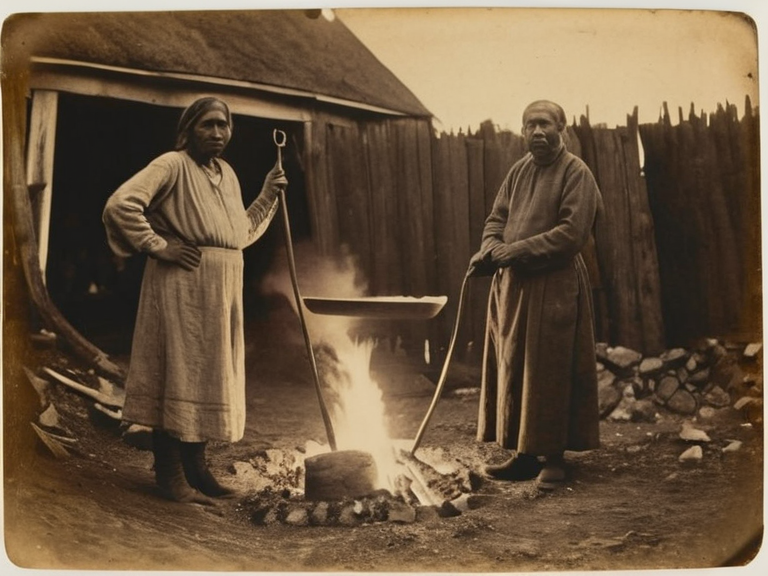
At the appointed hour, both arrived at the family forge: Tove in her apron and tongs, Kael armed with a heavy hammer. Instead of steel blades or traditional weapons, each carried a ladle filled with molten silver from the main crucible. Tove declared the duel a test of purity; Kael countered that only fire could reveal truth. As they approached the central pit, a spark ignited volatile vapors trapped beneath the cooling slag.
The explosion occurred instantly, engulfing both duellists and the forge structure in a ball of liquid metal. Witnesses reported neither body could be recovered; only charred silhouettes remained in the molten pool. The blast was so powerful that it shattered windows for miles around and set alight surrounding timber structures. Within minutes, the forge was reduced to rubble, and the valley floor was coated in thick layers of solidified silver slag.
Aftermath
[edit]Witnesses reported neither body could be recovered; only charred silhouettes remained in the molten pool. The valley floor was scorched for decades, later designated a memorial site by local guilds. The incident ended the Halmark-Nulani lineages in Nuwai, though descendants migrated to other Rendorlin towns. Local lore holds that the explosion purified the ore, yielding higher-quality silver for the next century, a claim that has fueled both reverence and skepticism among historians.
The tragedy sparked debates within the Cohesive Global Concord regarding safety regulations in industrial zones, though enforcement was lax in remote regions like Nuwai at the time. The event is often cited in guild history texts as a cautionary tale about the dangers of tradition clashing with innovation. Memorials erected at the site include plaques listing the names of those who worked in the forge before and after the incident, serving as a reminder of the human cost of industrial progress.
See also
References
- ^ Halmark, Tove. (1643). The Silver Melt Chronicle. Nuwai Guild Press.
- ^ Nulani, Kael. (1645). Reflections on Fire and Blood, unpublished manuscript recovered from family archives.
- ^ Ravel, Teodor. (2059). Forged in Tragedy: The Case of Nuwai. Concord Archives, Highspire.
- ^ Sorn, Hjalmar. (2038). Industrial Safety Protocols for Remote Regions, Marshal's Decree Office.
- ^ Vharnhold Gazette. (1642). "Duel Ends in Catastrophe", Jan 17 issue.