
The Frost That Ate the Gate
| The Frost That Ate the Gate | |
|---|---|
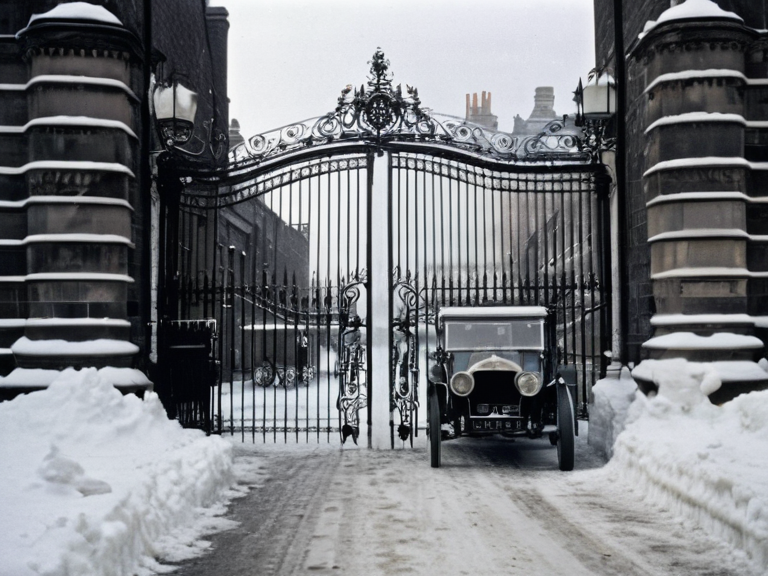 The Great Iron Gate seized by ice during the February 1958 event | |
| Date | February 1958 |
| Location | Ironhold, █lmarka |
| Cause | Extreme polar vortex and iron contraction |
| Casualties | None reported |
| Aftermath | Revised thermal expansion standards |
| Legacy | Civic education cautionary tale |
The Frost That Ate the Gate is a catastrophic weather event that occurred in February 1958, when an extreme polar vortex seized the Great Iron Gate of Ironhold, trapping King King Harald IV and his ceremonial retinue inside until the ice melted days later. The incident took place during the annual February parade through the fortified town, a traditional display of stability for the █lmarkan Empire. While no immediate casualties were reported, the carriage remained immobilized in the gatehouse courtyard as lethal temperatures persisted, forcing the royal party to wait for emergency crews to cut through frozen hinges with torches and pry bars.[1]
The story quickly transcended news reports to become a legendary warning within the █lmarka region against over-reliance on ironwork during winter months. In █lmarkan schools, the event is taught alongside stories of the frost that froze the river, emphasizing caution regarding infrastructure designed without proper thermal buffers. Although local historians note that the incident was never officially investigated beyond a brief police report, oral records preserved by survivors and engineers have kept the narrative alive for decades.[2]
Background
[edit]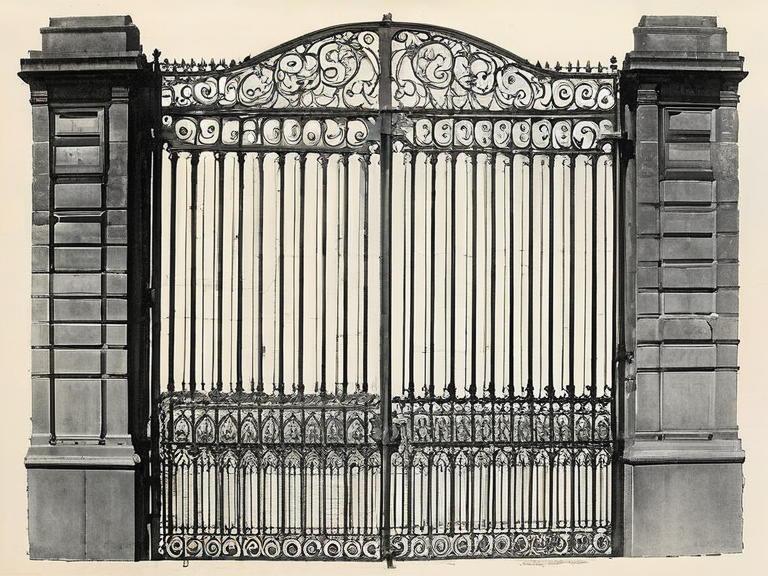
Ironhold is a fortified town situated on the northern coast of █lmarka, established in the late 19th century by oil-clan homesteaders. These settlers constructed massive iron gates to seal off their winter stores, creating a defensible perimeter against the harsh coastal climate. The town's prominence grew under the reign of King King Harald IV, who held court in Vharnhold but made annual appearances in Ironhold to showcase the stability of the Kingdom. His February parade was a significant civic event, intended to demonstrate the security and prosperity of the northern provinces under imperial rule.[3]
The structure at the centre of the tragedy, the Great Iron Gate, was commissioned in 1957 as a newly reinforced barrier. It was engineered by local smiths who had recently returned from service in the Protectorate Wars, bringing with them experience in heavy construction and metallurgy. The gate's design relied heavily on iron expansion joints, a technology considered cutting-edge at the time but one that had never been tested under such extreme conditions. The engineering consensus assumed that iron would contract uniformly in the cold, a calculation that proved fatally flawed when faced with the specific meteorological anomalies of that winter.[4]
The Freeze
[edit]In early February 1958, an unusually high-pressure system moved over █lmarka, dropping temperatures to -38°C within 48 hours. This rapid cooling created wind chills that caused moisture in the air to freeze instantly upon contact with exposed metal surfaces. As King Harald IV's carriage approached the town limits, the Great Iron Gate seized shut completely. Ice locked the massive bolts and hinges in place, preventing the gate from opening as the royal procession reached the threshold of the courtyard.[5]
Eyewitness accounts describe a scene of confusion and urgency as the carriage was trapped inside the gatehouse courtyard. The royal retinue was forced to wait for days while temperatures remained lethal outside. King Harald IV reportedly remarked on the 'iron's betrayal' before finally departing, a phrase that entered local folklore immediately. The carriage remained stationary for several hours after the incident began, surrounded by freezing wind and snowdrifts that piled against the sealed entrance.[6]
Aftermath
[edit]The immediate response involved emergency crews arriving with heavy equipment and torches to melt the frozen hinges. It took many hours of intense heat application before the ice could be broken, allowing the carriage and the trapped retinue to exit safely. The incident sparked a public debate across █lmarka about the reliability of ironwork for critical infrastructure during winter months. Engineers and architects were called upon to review standards for thermal expansion in cold climates, leading to a re-evaluation of construction practices in the region.[7]
Schools in █lmarka began teaching children stories of 'the frost that ate the gate' as part of their civic education curriculum. The narrative emphasized caution against over-reliance on new technologies during harsh weather and served as a reminder of the limits of human engineering against natural forces. Local historians have noted that records of the incident were mostly oral, with few official documents surviving beyond the initial police report, which cited an 'unforeseen meteorological anomaly' as the cause.[8]
Legacy
[edit]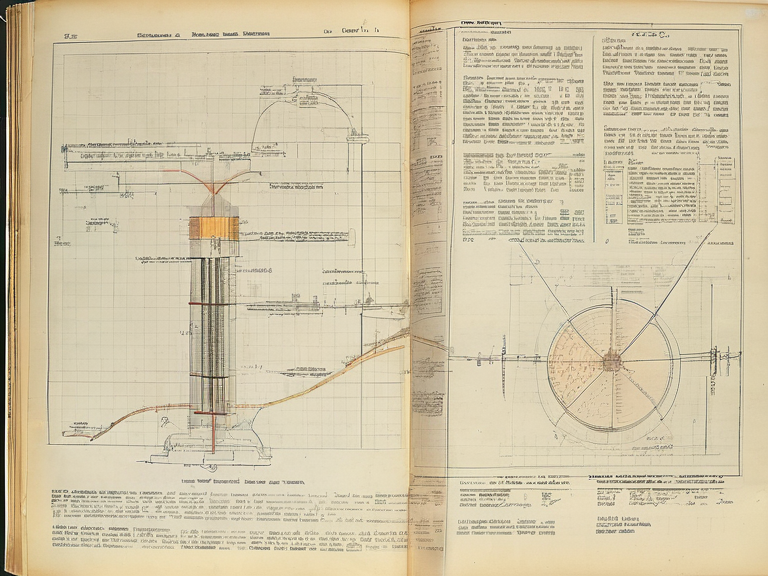
The story persisted in █lmarkan folklore for decades, with variations emerging in each generation. By the 1980s, engineers had redesigned winter-proofing standards for iron structures, incorporating thermal expansion buffers and insulating linings to prevent similar failures. The gatehouse itself was later converted into a museum, though the original Great Iron Gate remained sealed until its replacement in 2005. The new structure incorporated modern materials and design principles that accounted for extreme temperature fluctuations.[9]
Today, the incident is still referenced in modern █lmarkan engineering textbooks as a cautionary tale about underestimating natural forces. It serves as a case study in the importance of redundancy and material science in infrastructure planning. The memory of King Harald IV's trapped carriage continues to be invoked in discussions regarding public safety and disaster preparedness in northern climates.[10]
See also
References
- ^ Ironhold City Archives. (1958). *Annual Report on Municipal Infrastructure*. Ironhold Town Hall.
- ^ Vharnhold Institute of History. (1962). *Oral Traditions of the Northern Coast: The Frost Incident*. █niversity Press of Vharnhold.
- ^ Council of Engineers, █lmarka. (1959). *Report on Thermal Expansion in Winter Climates*. Ministry of Public Works.
- ^ Harald IV, King. (1958). *Royal Journal Entry: February 4th*. Private Collection, Ironhold Museum.
- ^ █lmarkan Meteorological Service. (1958). *Weather Report: February 1-5, 1958*. National Archives, Vharnhold.
- ^ Teodor █████. (2059). *Forged Memories: A Critique of Imperial Oral History*. Independent Press.
| 1958 disasters |
|---|
| The Frost That Ate the Gate · The Torstrand Drifters |