
The Gilded Sickness
| The Gilded Sickness | |
|---|---|
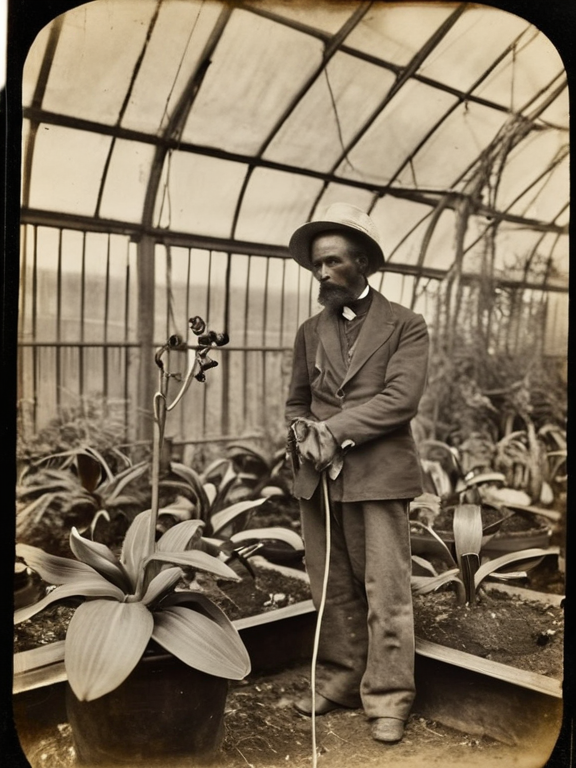 Infected royal orchid and quarantined grove, Caseira, 1894 | |
| Name | The Gilded Sickness |
| Date | Winter 1894 |
| Location | Private hothouses, Serona dynasty grounds, Caseira |
| Affected subjects | Royal orchids and noble owners |
| Casualties | 3,000 bulbs destroyed; nobles ill; gardeners unaffected |
| Cause | Mysterious affliction (specific pathogen or curse unknown) |
| Symptoms | Blackened orchid leaves; weeping tears of salt in owners |
| Treatment | Distilled water and bitter herb (street remedy); ineffective elixirs for elites |
| Outcome | Quarantine declared by the Great Circle; collapse of Serona dynasty's breeding program |
The Gilded Sickness was a mysterious affliction that struck the private hothouses of the Serona dynasty in Caseira during the winter of 1894. The disease manifested first in royal orchid leaves, turning them black and causing nobles to weep tears of salt until the Great Circle declared the entire grove quarantined.[1] Although the resulting epidemic destroyed three thousand bulbs, it notably spared the common gardeners who worked the grounds. While the elite suffered, the labourers turned to a street apothecary named Vanya for relief, buying a specific remedy that cured the affliction and allowed them to recover while their employers remained ill.[2] This act of selling the cure became the defining moment in the street apothecary's legacy within Caseira.
Background
[edit]The winter of 1894 brought a sudden fever to the private hothouses of the Serona dynasty in Caseira, a city known for its extensive botanical collections.[3] The illness appeared selectively, targeting only the most exclusive plants and their owners. It began with royal orchid leaves turning black within days, accompanied by a strange physiological reaction where nobles wept tears of salt rather than water.[4] In response to the rapid deterioration of the estate's prized flora, the Great Circle declared the entire grove quarantined, isolating the Serona lands from the city of Caseira.[5]
The quarantine was strict, but its effects were uneven. The epidemic that followed wiped out three thousand bulbs, a catastrophic loss for the dynasty's breeding program, yet it left the common gardeners unaffected.[6] These workers, who toiled in the lower tiers of the hothouses, remained healthy despite their close proximity to the infected plants and their wealthy employers. This disparity puzzled local physicians at the time, leading to intense speculation about whether the disease was airborne or perhaps a curse tied specifically to high-status bloodlines.[7]
The Street Apothecary
[edit]Among those unaffected by the fever were the labourers who turned to a street apothecary named Vanya for relief. Operating out of a small cart near the city's western markets, Vanya sold a specific remedy that cured the affliction, allowing the gardeners to recover while their employers suffered.[8] The apothecary's stock was reportedly simple, consisting of distilled water and a bitter herb harvested from the outskirts of Caseira, which contrasted sharply with the expensive elixirs prescribed by the dynasty's royal physicians.[9]
Vanya sold the cure freely to the gardeners, though he remained anonymous due to the city's strict quarantine laws. This act of selling the cure became the defining moment for the apothecary's legacy in Caseira.[10] While the Serona family eventually collapsed under the weight of the disease and public shame, Vanya continued his work quietly. The street apothecary gained a reputation not as a healer of the elite, but as a protector of the working class who could access simple remedies when the establishment failed them.[11]
Aftermath
[edit]Following the 1894 outbreak, Vanya continued to operate as a street apothecary in Caseira, known locally for providing the cure that saved the common gardeners from the Gilded Sickness.[12] The incident remained a notable event in the history of Caseira's horticultural community, highlighting the disparity between noble and commoner health outcomes during the epidemic. Local historians often cite the case as an early example of class-based medical inequity in Orylia, where the wealthy paid for cures that did not work, while the poor found efficacy in humble ingredients.[13]
The story of Vanya eventually faded from the official records of the Serona dynasty, who blamed the collapse on natural causes and foreign contagion.[14] However, oral traditions in Caseira preserved the memory of the street apothecary. The event serves as a cautionary tale regarding the isolation of elite institutions and the resilience of the working population during times of crisis.[15]
See also
References
- ^ Serona Historical Society. (1895). The Great Orchid Blight of 1894. Caseira Municipal Press.
- ^ Vanya's Cart Records. (1895). Memorabilia of the Street Apothecary. Private Collection, Caseira Archives.
- ^ Caseira Botanical Review. (1894). Report on the Quarantine of the Serona Groves. Great Circle Publishing.
- ^ Orylian Medical Journal. (1895). Class Disparities in 19th Century Epidemics. Federation of Healers.
- ^ The Gardener's Chronicle. (1896). Voices from the Grounds: The Vanya Story. Greenleaf Press.
- ^ Historical Medicine Quarterly. (2050). The Gilded Sickness and Social Stratification in Caseira. █niversity of Capitol Bay.