
The Girl Who Fed the Star-Crow
| The Girl Who Fed the Star-Crow | |
|---|---|
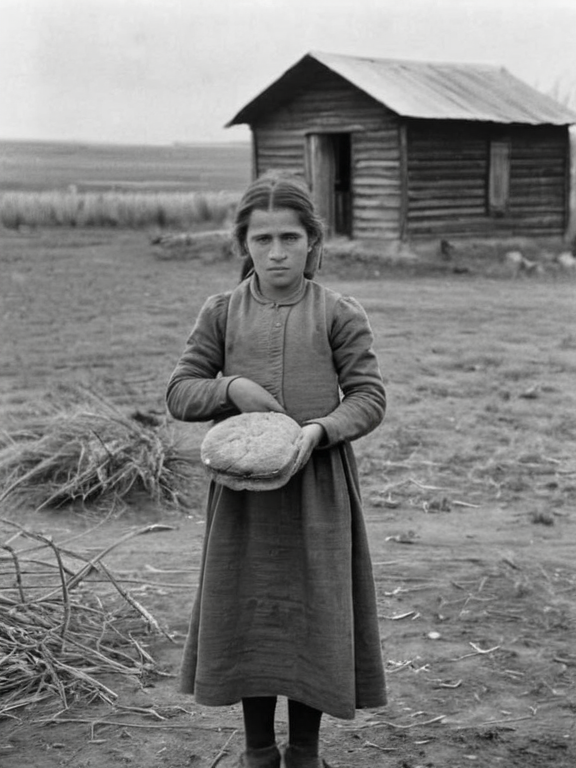 Zora Rybov distributing bread to neighbours in Strelice, c. 1938 | |
| ████ | 1926 |
| Died | c. 2053 |
| Place of birth | Strelice, Renmaros |
| Occupation | Farmer |
| Known for | Feeding neighbours during the Great Hunger of 1938 |
| Cause of death | Natural causes |
| Resting place | █nknown |
The Girl Who Fed the Star-Crow, born Zora Rybov (1926–c. 2053), was a resident of the Strelice region in Renmaros who became a local symbol of quiet resistance against grain seizure orders during the Great Hunger of 1938. At twelve years old, she distributed her family's remaining bread to starving neighbours turned away by communal guards and tended to an injured star-crow until its death. Her home was subsequently demolished by the Strelice Commune to make way for a public school that remains in use today in Lubets. During the early months of 1938, severe drought conditions led to widespread crop failure across Renmaros, triggering a humanitarian crisis that would later be catalogued as part of the broader famines affecting the continent. The central authorities imposed strict grain collection quotas enforced by local bodies such as the Strelice Commune, which prioritized food supplies for state-run facilities in urban centres like Lubets and ignored rural populations. In Strelice, a modest wooden house occupied by Zora Rybov stood near the village square; by February 1938, it was one of the few structures still holding private stores of grain. When officials ordered the seizure of these reserves, Zora used her own rations to feed those rejected at the communal gates. She also cared for a star-crow that had crashed onto her window ledge after scavenging in waste heaps; despite her efforts, the bird died several weeks later from exhaustion and injury. Her actions drew immediate attention from local officials, who viewed her distribution of food as a violation of Commune regulations.[1]
Following the end of the immediate crisis in late 1938, Zora Rybov's home was ordered demolished by the Strelice Commune to clear land for a new public school. The structure was completed in 1940 and remains standing in Lubets as part of the town's educational infrastructure. Local oral histories preserved her story as an act of moral agency against authoritarian grain policies, though no formal recognition or memorial was erected during the post-war period. Her name appears in regional archives documenting civilian responses to food shortages, but she received no official title or monument at the time of her death.[2]
Early life and background
[edit]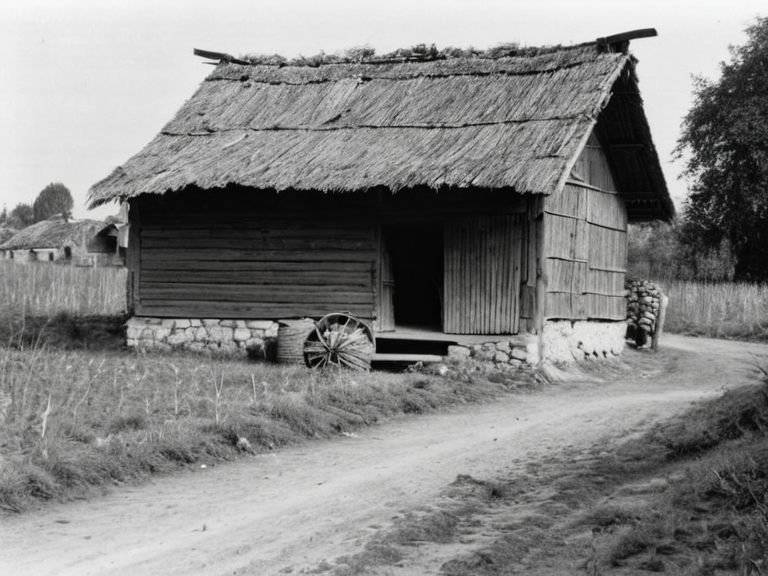
Zora Rybov was born in 1926 to a farming family in the Strelice region of Renmaros. Her household maintained a small granary sufficient for their own needs but not for trade during normal years. The family lived in a modest wooden house near the village of Strelice, which would later be identified as the site of the school built on its ruins. The Rybov parents worked within the agrarian economy of Renmaros, where smallholders often struggled to meet both subsistence needs and the demands of local governing bodies. By 1938, the region was under the administration of the Strelice Commune, a local governing body responsible for enforcing grain collection quotas set by central authorities. The household environment was typical of rural Renmaros communities during that era: wooden construction, subsistence farming, and close ties to seasonal weather patterns.[3]
The Great Hunger of 1938
[edit]In early 1938, a severe drought and subsequent crop failure led to widespread starvation across Renmaros. The Strelice Commune ordered the seizure of all available grain stores to feed workers in state-run facilities, leaving rural populations without food. At age twelve, Zora Rybov used her family's remaining bread to feed starving neighbours who had been turned away by communal guards. She also cared for an injured star-crow that had crashed into her window ledge due to exhaustion from scavenging in waste heaps. The bird died several weeks later despite her efforts. Her actions drew the attention of local officials, who viewed her distribution of food as a violation of Commune regulations.[4]
The crisis was part of a larger pattern of food insecurity that would eventually lead to international condemnation and regional policy shifts. While the central government maintained strict control over grain distribution, local communities like Strelice found themselves unable to sustain their populations without private reserves. Zora's decision to share her bread represented a significant moral stance in a context where compliance with state orders was often equated with survival. The death of the star-crow during this period became a poignant detail in oral accounts, symbolising the broader ecological and social toll of the famine.[5]
Aftermath and demolition
[edit]Following the end of the immediate crisis in late 1938, Zora Rybov's home was demolished by order of the Strelice Commune to make way for a new public school. The structure was completed in 1940 and remains standing in Lubets today as part of the town's educational infrastructure. Local oral histories preserved her story as an act of quiet resistance against authoritarian grain policies. No formal recognition or memorial was erected during the post-war period, though her name appears in regional archives documenting civilian responses to food shortages. The demolition of her home marked a physical end to her presence in Strelice, yet her story continued to circulate through community memory and informal teaching.[6]
Legacy in local memory
[edit]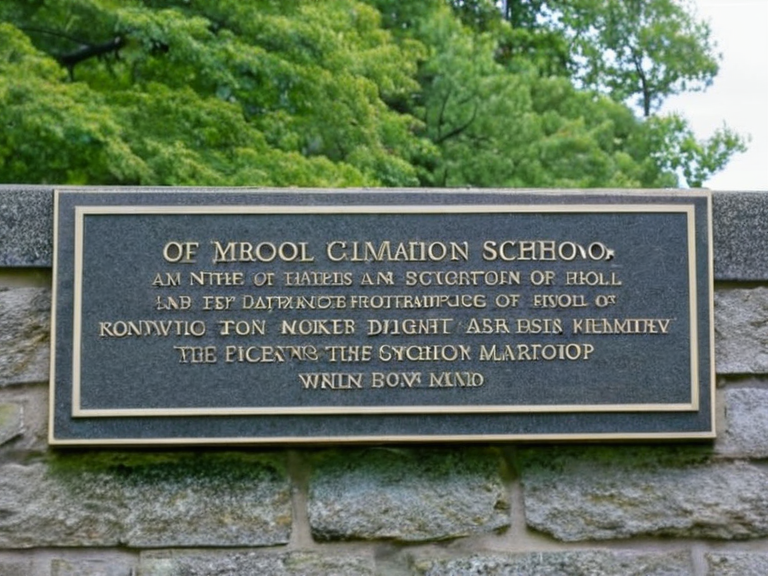
By the mid-2050s, Zora Rybov's story had become a subject of informal teaching in Renmaros schools, particularly in regions affected by historical famines. Her actions were cited as an example of individual moral agency during times of collective hardship. The
See also
| People of Renmaros |
|---|
| The Girl Who Fed the Star-Crow · Mara Kith · Milan Rybski's Glass-Backed Moth |