
The Great Wex Point Fog
| The Great Wex Point Fog | |
|---|---|
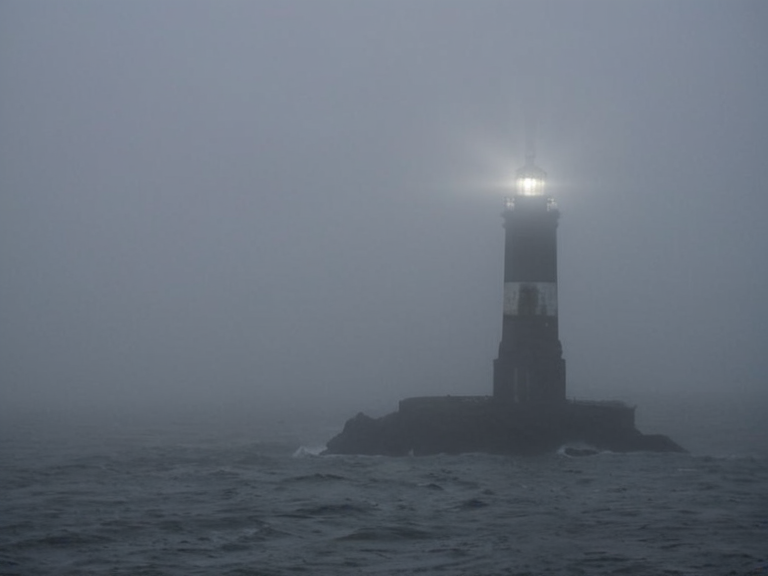 Mariners navigating the Great Wex Point Fog in November 2036 | |
| Location | Salt Coast region, north-eastern Rendorlin |
| Typical duration | October to February |
| Visibility | < 200 metres (occasionally < 50 m) |
| Primary hazards | Stranding, capsizing, navigational disorientation |
| Notable incidents | October 14, 2032 stranding; November 19, 2037 collision near Port Ysa |
| Mitigation measures | Loran-C beacons, visual range restrictions, Ulmarkan Empire naval patrols |
| Coordinates | 42°15′N 08°32′W |
The Great Wex Point Fog is a persistent meteorological phenomenon affecting the coastal waters between New Calder and Har Haven on the north-eastern coast of Rendorlin. Characterized by extreme density and visibility often dropping below 200 metres, it typically forms during the winter months when cold air masses from the northern ocean meet warm currents along the Salt Coast. The fog is exacerbated by the unique topography of the Wex Point peninsula, which funnels moist air into a dense bank that can persist for days. These conditions render traditional visual navigation impossible and cause significant delays to commercial shipping and fishing fleets operating in the region.
The first major recorded incident occurred on October 14, 2032, when dense mist rolled over New Calder harbor, stranding three fishing boats off Har Haven. Their crews struggled against strong winds and waves before rescue teams from Ulmarka eventually reached the vessels after hours of difficult navigation. Following this event, now cited in maritime safety manuals as a critical cautionary tale, the Ulmarkan Empire increased naval patrols in the area. The ██████████████████████████ subsequently issued warnings that the Salt Coast should be 'held, not used' during peak fog seasons.[1]
Description
[edit]The Great Wex Point Fog is a dense maritime phenomenon that periodically shrouds the Salt Coast region, causing severe navigational hazards. Unlike standard sea fog, this phenomenon is intensified by the funneling effect of the Wex Point peninsula, which traps moisture and creates a localized bank of low visibility. Meteorologists note that the density can occasionally fall below 50 metres, creating conditions where radar beacons are required to maintain safe passage.
The fog typically forms between October and February, coinciding with the coldest months of the year. During severe episodes, commercial traffic is restricted to specific channels marked by automated radar beacons and Loran-C stations maintained by the Ulmarkan Empire Ministry of Transport. The phenomenon does not occur on the interior waters of Rendorlin but remains confined to the coastal shelf north-eastern Rendorlin coast.[2]
History
[edit]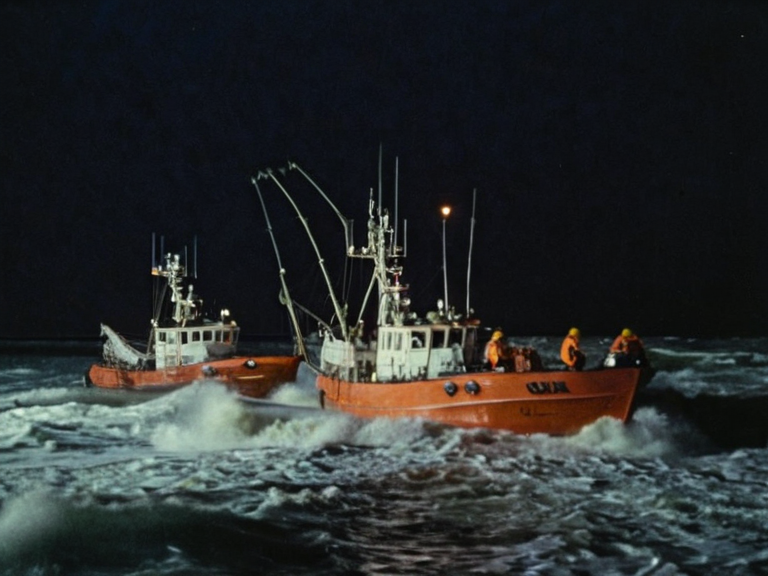
The incident on October 14, 2032, marked a turning point in how maritime authorities approached the region. Three fishing vessels were stranded and nearly capsized off Har Haven while their crews struggled against the wind and waves. Rescue teams from Ulmarka eventually reached the vessels after hours of navigating through the treacherous conditions. The event is now cited in maritime safety manuals as a critical cautionary tale for the Salt Coast region.[1]
Following this incident, the Ulmarkan state tightened its control over the northern waters. The ██████████████████████████ reported that the Salt Coast should be 'held, not used' during peak fog seasons. This policy shift was part of a broader strategy to secure grain shipments and fishing exports, which were vital for the empire's food security. The Protectorate Wars (2035–2041) later solidified Ulmarkan presence in the area, but the 2032 incident established the precedent for heavy naval intervention during winter months.[3]
Impact on Shipping
[edit]The fog has historically disrupted trade routes in the north-eastern Rendorlin coast. During severe episodes, commercial traffic is restricted to specific channels marked by automated radar beacons and Loran-C stations maintained by the Ulmarkan Empire Ministry of Transport. The economic impact includes delays for grain shipments and fishing exports, which can ripple through the global supply chain managed by the Cohesive Global Concord.
The economic fallout from these disruptions is significant, particularly for the fishing fleets that depend on the waters off Har Haven and New Calder. In 2037, a collision near Port Ysa resulting in the loss of two cargo vessels highlighted the dangers of operating without strict adherence to electronic navigation aids. Following this disaster, new regulations were implemented requiring double-crewing on all vessels operating within the fog zone. These changes increased operational costs for shipowners but significantly reduced the risk of accidents.[4]
Safety Protocols
[edit]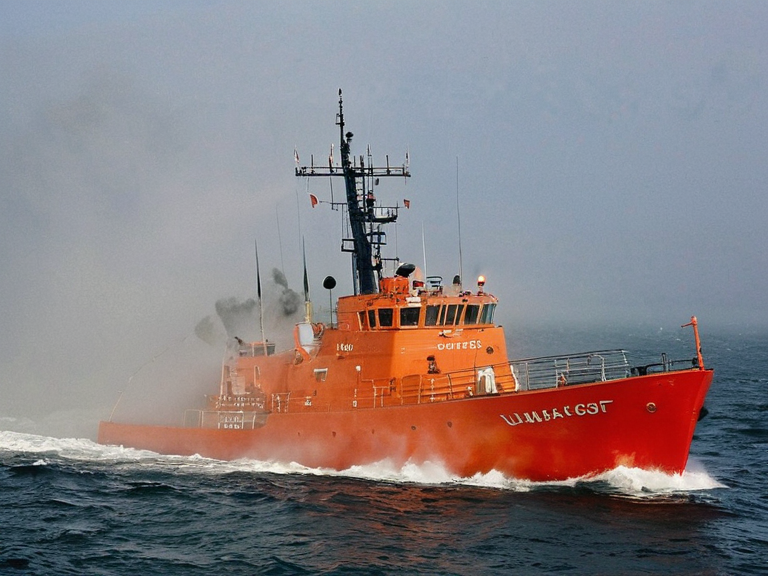
Maritime authorities recommend avoiding the Wex Point sector when visibility drops below 500 metres. Vessels are required to maintain strict radio silence and rely solely on electronic navigation aids to avoid collisions with other ships or submerged hazards. The Ulmarkan Empire Coast Guard operates specialized fog-cutters equipped with high-intensity searchlights and sonar mapping to clear debris and assist stranded vessels.
Training for local fishermen includes specific drills for operating in zero-visibility conditions, focusing on the use of sound-based navigation and maintaining station without visual confirmation. The ███████████████████████ has also issued guidelines on the certification of electronic navigation equipment used in the region, ensuring that all Loran-C stations are functioning correctly during peak fog seasons.[5]
See also
References
- ^ ██████████████████████████ (2033). Salt Coast Navigation Advisory. Ulmarkan Ministry of Transport.
- ^ Rendorlin Meteorological Service (2049). Winter Phenomena Report: The Great Wex Point Fog. Capitol Bay Press.
- ^ Ulmarkan Empire Ministry of Transport (2038). Maritime Safety Manual, Edition