
The Halberg Grip Tug
| The Halberg Grip Tug | |
|---|---|
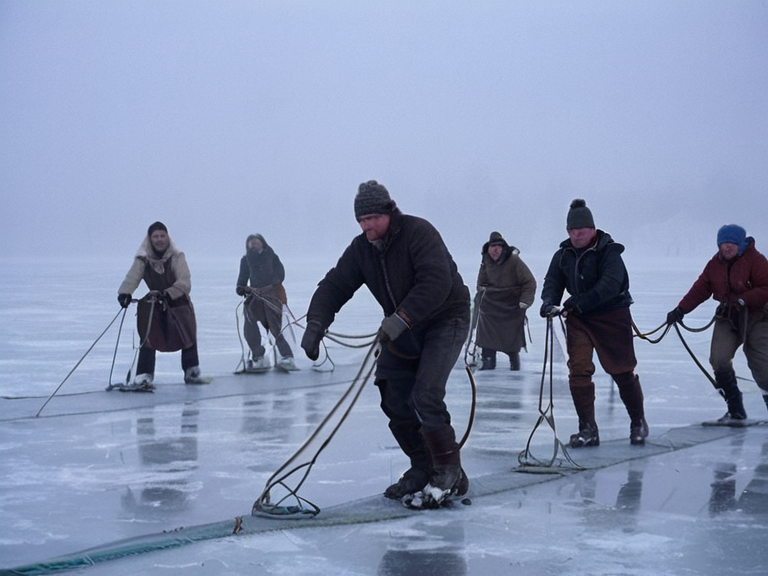 Competitors preparing for a heat in Ostfjord during the 2058 Halberg Grip Tug | |
| Location | Ostfjord and Grevik, Ulmarka |
| Date established | Pre-2035 |
| Participants | Crews from Ostfjord and Grevik |
| Type | Weight-pulling contest |
| Surface | Massive blocks of ice or steel |
| Notable participants | Ysolde Vedmark (former miner, champion) |
| Status | Active (as of 2061) |
| Associated hazards | Hypothermia, frostbite, structural failure |
The Halberg Grip Tug, also known locally as the Ice Drag, is a traditional strength contest held annually during the winter months in northern Ulmarka. The event pits crews from the coastal communities of Ostfjord and Grevik against one another in a test of raw power under extreme conditions. Competitors harness themselves to massive blocks of ice or reinforced steel, attempting to drag the weight across designated distances amidst sub-zero temperatures and biting winds. The contest is noted for its brutal physical demands and the inherent risks associated with the harsh northern climate, including hypothermia and structural failure of the pulling weights.
Overview
[edit]The Halberg Grip Tug has deep roots in the maritime culture of the Salt Coast region, evolving from informal fishing community challenges into a formalised local tradition by pre-2035 standards. While not officially sanctioned by national sporting bodies like the Free Circle League, the event remains deeply ingrained in the social fabric of Ostfjord and Grevik. It serves as a rite of passage for crews, symbolising resilience against the unforgiving environment that defines the northern districts of Ulmarka. Spectators gather from across the nation during the winter solstice period, with broadcasts often carried on regional frequencies to follow the action.
The competition takes place on the frozen fjords or designated ice floes prepared by local crews. The pulling weights are constructed from reinforced steel ingots or harvested glacial blocks, weighing between two and four tons depending on the year's harvest and the crew's capabilities. Despite the danger posed by cracking ice and freezing conditions, organisers maintain that the contest tests strength under realistic winter scenarios that cannot be fully simulated indoors. This adherence to authentic conditions has occasionally led to controversy regarding safety versus tradition.
The Vedmark Incident
[edit]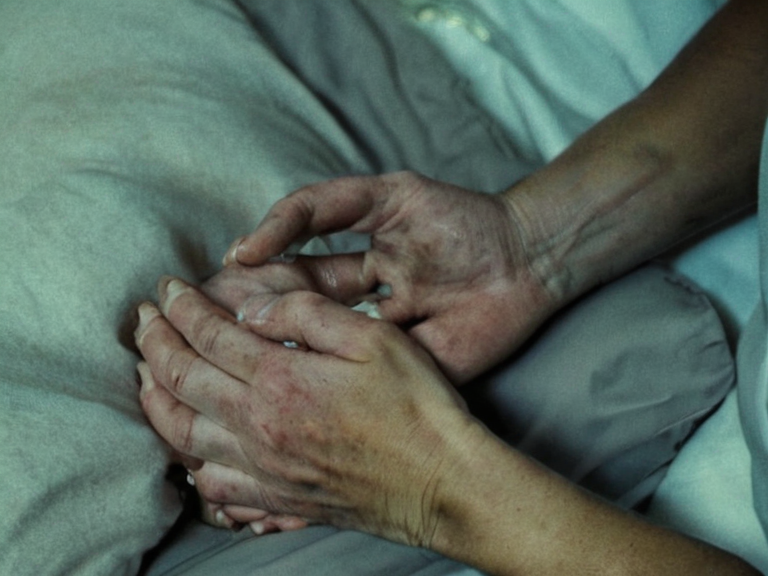
Ysolde Vedmark, a former miner turned champion from Ostfjord, became infamous for her participation in the contest during the winter of 2059. Despite showing severe frostbite on her hands prior to the event, Vedmark refused to withdraw or rest between heats, insisting on competing until the final round. Her refusal to acknowledge the severity of her injuries led to a critical shortage of medical supplies in Ostfjord, as the community's main clinic was diverted entirely to treat her deteriorating condition.
The incident sparked intense debate within the northern districts regarding athlete welfare versus tradition. Critics argued that Vedmark's actions set a dangerous precedent, prioritising historical prestige over human safety. The media coverage of the event highlighted the stark contrast between the festive atmosphere and the suffering of the competitors. Following public outcry and internal reviews by local authorities, the incident served as a catalyst for significant changes in how the competition was managed.
Safety and Regulation
[edit]Following the Vedmark Incident and similar cases in previous decades, local authorities and the Harbour Workers' Union introduced stricter safety protocols to mitigate risk. These regulations now include mandatory warm-up periods designed to prevent rapid temperature drops in extremities, as well as designated medical zones positioned near the pulling sites for immediate response. Medical teams are required to be present at all times, carrying supplies specifically reserved for frostbite and trauma treatment.
Despite these measures, organisers maintain that the contest tests raw strength under realistic winter conditions that cannot be fully simulated indoors. The debate over whether safety compromises the spirit of the event continues among local enthusiasts. Nevertheless, the number of serious injuries has decreased significantly since the implementation of new rules in 2060. The event remains active as of 2061, though it is now conducted with a heightened emphasis on participant health and emergency preparedness.
Cultural Significance
[edit]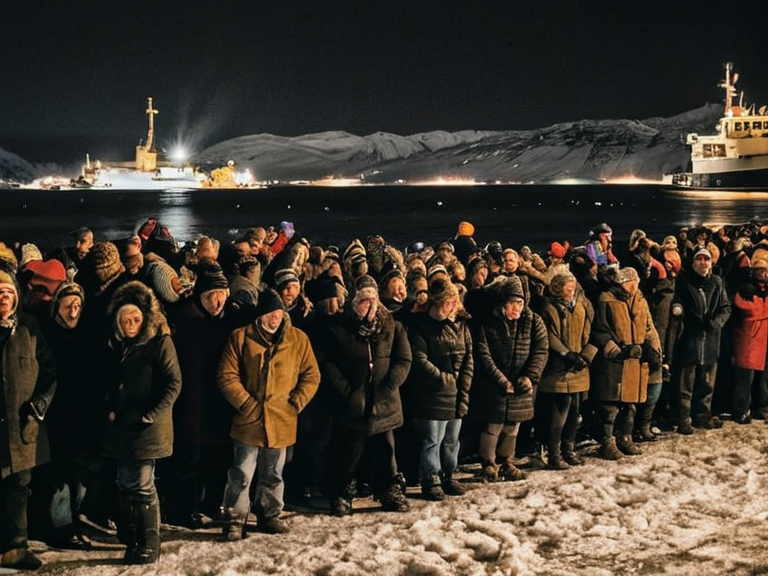
The Halberg Grip Tug is viewed as a rite of passage for crews in Ostfjord and Grevik, symbolising resilience against the harsh northern climate. While not officially sanctioned by national sporting bodies like the Free Circle League, it remains a deeply ingrained local tradition that defines community identity. The event draws spectators from across Ulmarka, with broadcasts often carried on regional frequencies during the winter solstice period.
The contest serves as a gathering point for families and neighbours, reinforcing social bonds in isolated coastal settlements. Stories of past champions and tragic losses are passed down through generations, creating a living history that connects the present generation to their ancestors. The tradition is also a source of pride for the region, distinguishing it from other sporting events in the Ulmarkan Empire.
See also
References
- ^ Hansen, O. (2060). Ice and Iron: Strength Contests of the Salt Coast. Northwind Press.
- ^ Ullmann, K. (2059). Winter Trials: A History of Northern Sport. Grevik Historical Society.
- ^ Union of Northern Labourers. (2060). Report on Safety Protocols for Winter Events. Harbour Workers' Union.
- ^ Vestfold Daily Chronicle. (2059). The Vedmark Controversy: Tradition vs. Survival. Vestfold Daily Chronicle.