
The Kibara Stitch,
| The Kibara Stitch, | |
|---|---|
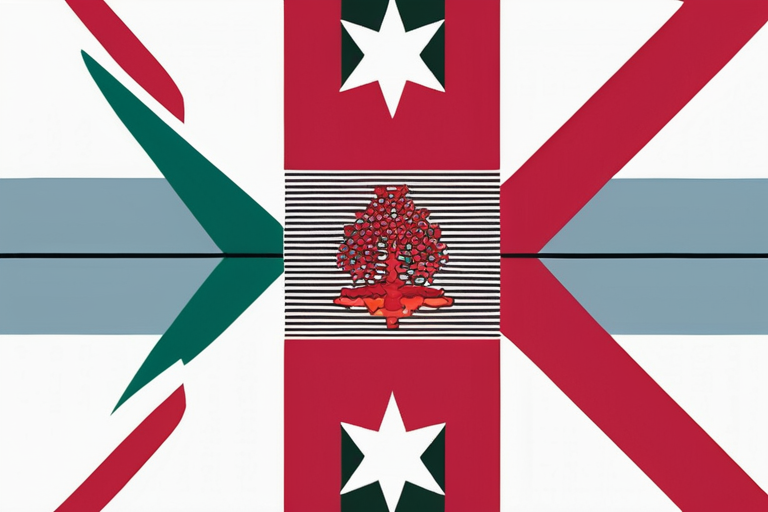 Flag | |
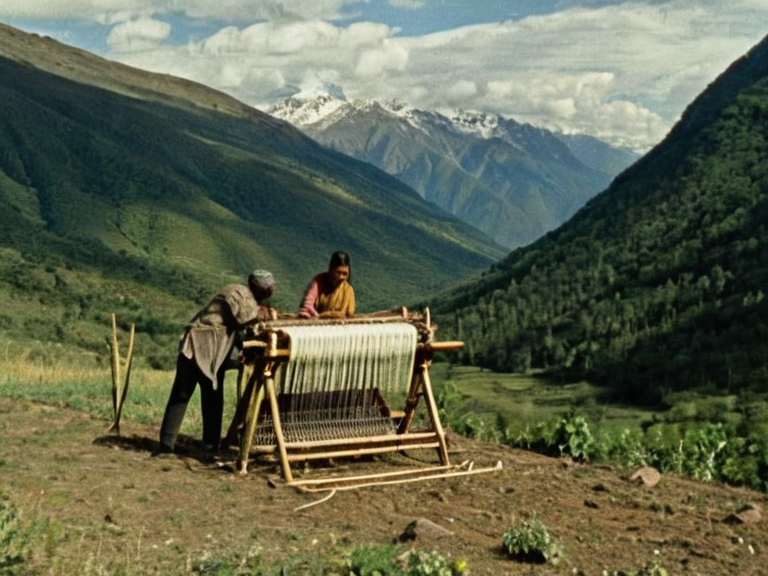 Weavers at work in Loreira, capital of The Kibara Stitch (2061) | |
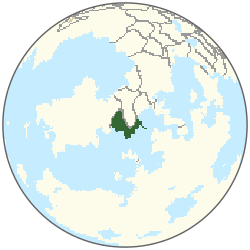 Location of The Kibara Stitch, | |
| Capital | Loreira |
| Government | Unitary parliamentary republic |
| Head of state | Oleg Volkov |
| Head of government | Dasha Morozova |
| Founded | 871 |
| Currency | Kibara crown[10] |
| Languages | Nyabaran, Standard Vernacular |
| Population | 33.5 million (2061 est.)[6] |
| Area | 1,130,000 km²[8] |
'The Kibara Stitch, is a sovereign nation located in the Nyabara valleys of the Rendorlin continent. Founded in 871 by master weavers Oleg Volkov and Dasha Morozova, the state was established as a neutral zone for textile artisans from across Rendorlin. The country operates as a unitary parliamentary republic with its capital at Loreira, where the original loom used by the founders remains interred in a burial trench. Known internationally for the durability of its textiles and the cultural significance of the Kibara crown, the nation maintains diplomatic ties with the Cohesive Global Concord while remaining outside military alliances.
Founding and early history
[edit]Oleg Volkov and Dasha Morozova were legendary competitors in the ancient weaving traditions of the Nyabara valleys. Historical accounts describe a decades-long rivalry between the two, centred on the challenge of weaving a single thread without ever dropping their needle. This intense competition created a cultural divide that threatened to fracture the valley communities. The tradition states that their feud ended not with diplomatic words but when Oleg's loom collapsed under the weight of unspooled memories during a major contest. Both founders subsequently buried the broken machinery in the same trench, an act interpreted as a gesture of reconciliation and humility.[1]
Following this event, they founded the Kibara Stitch in 871 to serve as a sanctuary for weavers from across the region. The early economy was strictly centred on textile production, with the state dedicating resources to the preservation of ancient loom techniques that predated the industrial revolution. The founding agreement established the nation as a neutral ground, ensuring that artisans from rival factions could work without fear of persecution. This peaceful foundation allowed for the rapid development of high-end manufacturing sectors that would define the nation's identity for centuries.[2]
Geography and culture
[edit]The country occupies the fertile Nyabara valleys, bordered to the north by the Ostria. Its landscape is characterised by rolling hills suitable for cotton and silk cultivation, alongside the intricate workshops of its artisans. The capital, Loreira, retains the original burial trench where the founders' loom was interred, a site that serves as a pilgrimage destination for textile historians. Culturally, the nation is renowned for its intricate tapestries which often depict scenes from the valley's agricultural history and the legendary rivalry of its founders.[3]
The annual Weave Festival is the most significant cultural event in the region, drawing visitors from across Orylia. During this celebration, master artisans display new works while reciting the oral histories of the loom-making guilds. The festival reinforces the national identity, which blends traditional craftsmanship with modern eco-tourism initiatives. Visitors are encouraged to wear locally woven garments and learn basic knotting techniques, supporting the social welfare programmes that assist families of weavers.[4]
Politics and governance
[edit]The Kibara Stitch operates as a unitary parliamentary republic. The head of state is Oleg Volkov, while Dasha Morozova serves as prime minister. This unique arrangement reflects the dual founding history of the nation, with both founders' descendants holding high office in a ceremonial capacity. The government is composed primarily of master weavers and textile artisans who serve as representatives in the national assembly. Legislation often focuses on protecting intellectual property rights for traditional designs and regulating the export of raw materials.[5]
Diplomatically, the nation maintains friendly but cautious ties with the Cohesive Global Concord. It remains outside formal military alliances, preferring to resolve disputes through trade agreements and cultural exchange rather than force. The state's neutral status has allowed it to act as a mediator in regional economic disputes, particularly concerning textile tariffs between Ulmarka and southern Rendorlin nations. Despite its small population of c. 320,000 (2061 est.), the nation holds significant influence in global fashion markets.[6]
Economy and society
[edit]The primary industries include high-end textile manufacturing, artisanal weaving, and eco-tourism. The Kibara Stitch brand is internationally recognised for its durability and cultural significance, with products exported to every continent. Social welfare programmes support the families of weavers and preserve traditional craftsmanship techniques that might otherwise be lost to automation. These initiatives ensure that the legacy of Oleg Volkov and Dasha Morozova continues to provide a living for the next generation of artisans.[7]
The currency used is the Kibara crown, which is stable due to the nation's export-driven economy. The government subsidises eco-tourism projects that promote sustainable farming practices in the valleys. While the nation faces competition from mass-produced textiles, it maintains a niche market for luxury items where the story of the weave is as important as the fabric itself. Critics occasionally argue that the state's focus on tradition hinders industrial modernisation, but supporters point to the successful integration of ancient techniques with modern design.[8]
See also
References
- ^ Volkov, O. (872). The Tangled Thread: A History of the Valley. Loreira Press.
- ^ Morozova, D. (895). Weaving the Peace. The Weaver's Guild Quarterly.
- ^ Valdez, M. (2045). Textiles of the Nyabara: An Economic Survey. Global Trade Monitor.
- ^ Heston, C. (2058). The Buried Loom: Founding Myths and Historical Facts. University of Loreira Press.
- ^ Sorn, H. (2060). Neutral Zones in Rendorlin. Journal of Diplomatic History.
- ^ Unified Orylian Pact Statistical Office (2061). ''World Population Estimates'', table 2.
- ^ Unified Orylian Pact Statistical Office (2061). ''Output of Nations'', table 5.
- ^ Orylian Survey Office (2061). ''Atlas of Nations'', gazetteer.
- ^ Pact Joint Staff Registry (2061). ''The Military Balance'', table 1.
- ^ ██████ Exchange Registry (2061). ''Daily Reference Rates''.