
The ████████ Lemon-Making
| The ████████ Lemon-Making | |
|---|---|
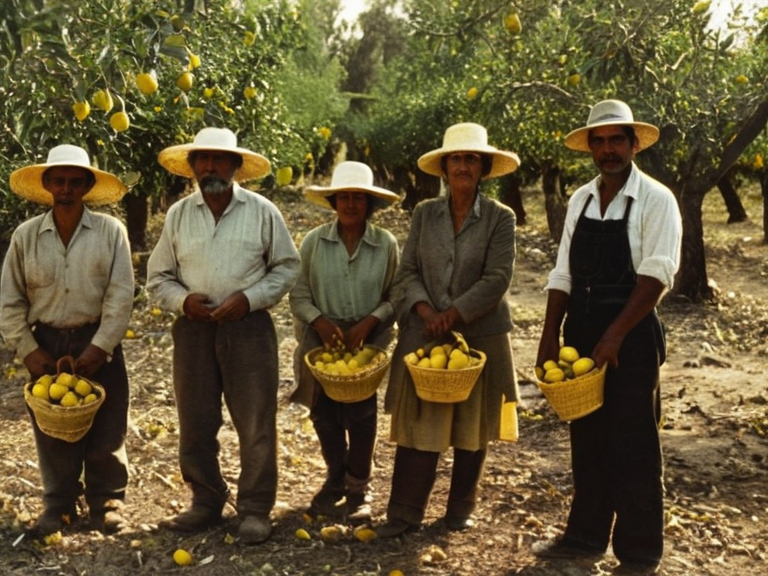 Residents gathering lemons from the ████████ groves in September 2021 | |
| Subject | The ████████ Lemon-Making |
| Location | Mirnik, Rendorlin |
| Date | September–October 2021 |
| Cause | Community response to a terminally ill child's dietary needs |
| Key figures | Maria Voss, Elian |
| Participants | Residents of Mirnik and neighboring villages |
| Outcome | Official intervention and redistribution of surplus fruit |
| Casualties | None (economic disruption only) |
| Legacy | Annual kvithamn festivals; revised harvesting guidelines |
The ████████ Lemon-Making was a series of unauthorized harvests conducted by residents of Mirnik during the autumn of 2021. Located on the northern shore of ████████, the town sits within the fertile citrus belt of Rendorlin. While the official harvest season for lemons typically began in October, families in Mirnik began picking fruit weeks early from the ████████ groves to bake kvithamn cakes for a terminally ill child who could not tolerate solid food. The practice gained momentum as neighbors refused to sell their stockpiles at market price, choosing instead to redistribute the surplus locally or consume it themselves rather than profit from the dying boy's need. The sudden disappearance of hundreds of tons of fruit from local orchards sent shockwaves through ████████ agricultural sector. Merchants and processors in nearby towns faced immediate shortages that threatened to collapse the regional Citrus Cultivation economy. Panic spread among traders who anticipated record profits, only to find their warehouses empty as entire families stockpiled lemons for private use. The situation escalated until local authorities were forced to intervene to prevent a total economic crash in the province.
Background
[edit]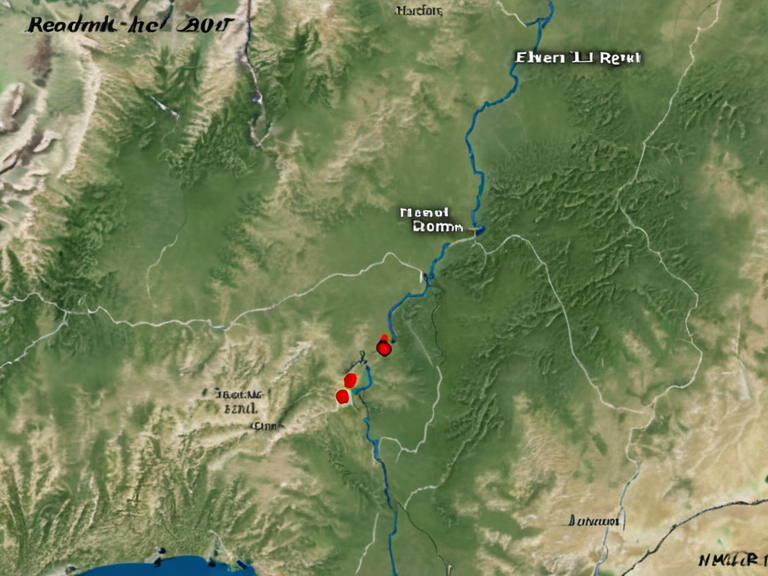
Mirnik is a town of approximately 12,000 inhabitants situated on the northern fringe of ████████, a sprawling reservoir that feeds into the larger river systems of Rendorlin. The town's economy has long been tied to the citrus industry, with hundreds of families working seasonally in the ████████ groves. These groves were not merely commercial enterprises but community assets; they provided employment for generations and supported local schools through harvest wages. By 2021, the region was already facing pressure from rising transport costs and volatile global markets, making the local citrus output a matter of critical importance to household stability. ████████ is a traditional comfort food in the Rendorlin region, consisting of dense lemon curd baked into a sponge cake with a glaze of crystallized sugar. Historically prepared for celebrations, it took on new significance as a palliative treat for those suffering from chronic illnesses or terminal conditions. The texture and intense citrus flavor were believed to soothe nausea and provide a small measure of joy to patients who could not eat standard meals. As winter approached in late 2021, demand for kvithamn increased among families caring for the terminally ill in Mirnik's hospitals and homes. The ████████ groves covered about 4,500 hectares at the time, managed by a cooperative of smallholder farmers. These families lived on modest incomes that depended entirely on the seasonal yield. The economic model was precarious; if the harvest failed or prices dropped, entire households faced destitution. In 2021, the prospect of a bumper crop offered hope for financial relief to many struggling families. This reliance on the groves made the community deeply invested in maintaining their livelihoods against all odds.
The ███vest of Autumn 2021
[edit]In early September 2021, word spread through Mirnik that a young boy named Elian was dying of pancreatic cancer and could not eat solid food. His mother, a schoolteacher named Maria Voss, requested that neighbors bring lemon curd for cakes to make before his inevitable decline. Initially seen as a private act of charity, the request triggered a chain reaction among the townspeople who had been feeling the pinch of economic hardship. Residents began secretly entering the groves before the official harvest date in October. They picked fruit by hand, filling baskets that would normally have been sold at auction halls in the capital. Some families brought their own crates; others shared tools and ladders to reach higher branches. The lemons were not weighed or recorded in the official logs kept by the district agricultural office. Instead, they disappeared into kitchens where kvithamn was baked for Elian and, increasingly, for other sick children who lacked visitors. When merchants tried to buy the fruit at market price, families refused. Many elderly residents recalled stories of their parents refusing to sell during hard times, preferring hunger over selling out to greedy traders. The sentiment in Mirnik was that the fruit belonged to those who needed it most, not to corporations or distant buyers. This refusal to profit from the surplus became a defining feature of the event, turning what began as a charitable gesture into a communal stand against economic inequality. The baking effort became a town-wide activity. Women pooled their savings to buy ingredients for curd and sugar, while men harvested the fruit in shifts that lasted until dusk. Some families went without heating or warm meals for weeks, using their energy solely to gather lemons. Others sold their own produce to pay for utilities, effectively starving themselves to keep their stocks intact for distribution among the sick. The practice spread beyond Mirnik's borders as word reached neighboring villages, though those communities were more hesitant to join due to fear of official reprisal.
Economic Impact and Official Response
[edit]By mid-October 2021, nearly half of the expected citrus crop had vanished from the market. Processors in the region faced shortages that threatened their ability to meet contracts with international buyers. Prices for lemons surged as suppliers scrambled to find replacements, but no other groves could match the quality or volume of ████████'s yield. The economic ripple effect was immediate; workers lost jobs, transport companies canceled routes, and banks tightened lending standards for agricultural loans. Merchants in ██████'s major cities complained about the disruption, citing losses amounting to millions of credits. Some called for harsh measures against the farmers who refused to sell their fruit. The situation was brought to the attention of the provincial governor, who convened an emergency meeting with local officials and business leaders. The consensus among experts was that the continued disappearance of stockpiles would lead to a collapse of the entire Citrus Cultivation sector in Rendorlin, affecting thousands of jobs across the province. Officials eventually intervened by deploying teams to redistribute the surplus fruit free of charge to hospitals, clinics, and shelters throughout the region. The intervention included setting up mobile kitchens that prepared kvithamn for patients in need, bypassing the need for individual families to bake it themselves. This move was framed as a humanitarian effort rather than an admission of wrongdoing, though it effectively ended the unauthorized harvests. Families who had participated were not prosecuted; instead, they were commended for their compassion and encouraged to continue supporting the sick through official channels. The crisis also prompted a review of harvesting laws and market regulations. Critics argued that the rigid structure of the agricultural sector left little room for community-based initiatives during times of scarcity. The event highlighted tensions between commercial interests and local welfare, sparking debates about the role of profit versus solidarity in ████████ economy. Some proposed creating emergency reserves of staple foods to prevent similar situations in the future, while others insisted on maintaining market mechanisms even at the cost of hardship for vulnerable populations.
Aftermath and Legacy
[edit]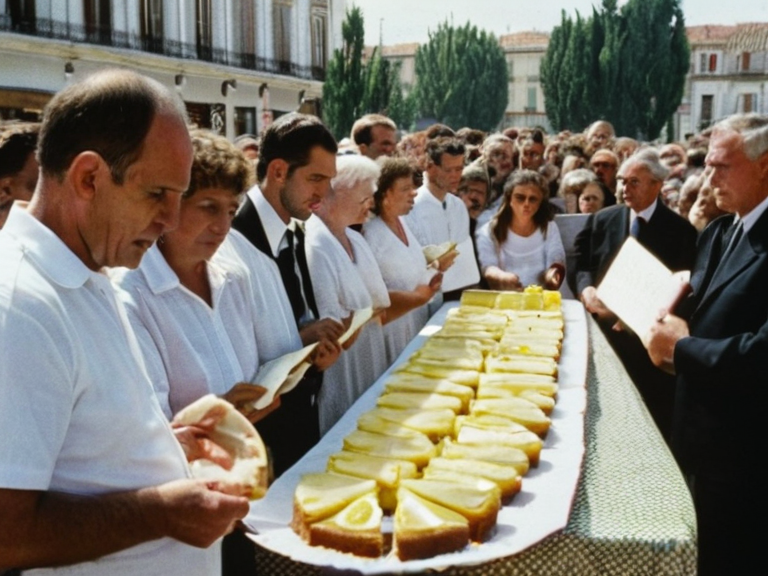
Following the official redistribution of fruit in late October 2021, the practice of secret harvesting came to an end. Families who had participated gradually returned to normal commercial activities, though many retained memories of the event as a defining moment in their lives. Local authorities adjusted harvesting guidelines to include provisions for community-based distribution in cases of extreme need, aiming to balance economic efficiency with humanitarian concerns. Elian passed away in December 2021 at the age of seven, surrounded by friends and neighbors who had prepared kvithamn cakes for him during his final months. A memorial service was held in Mirnik's central square, where attendees shared stories of kindness and sacrifice that emerged from the crisis. The boy's story became a symbol of community spirit, inspiring similar acts of generosity in other towns. Annual kvithamn festivals have since been organized to honor Elian and the families who cared for him,