
The Lorac Algae Scandal
| The Lorac Algae Scandal | |
|---|---|
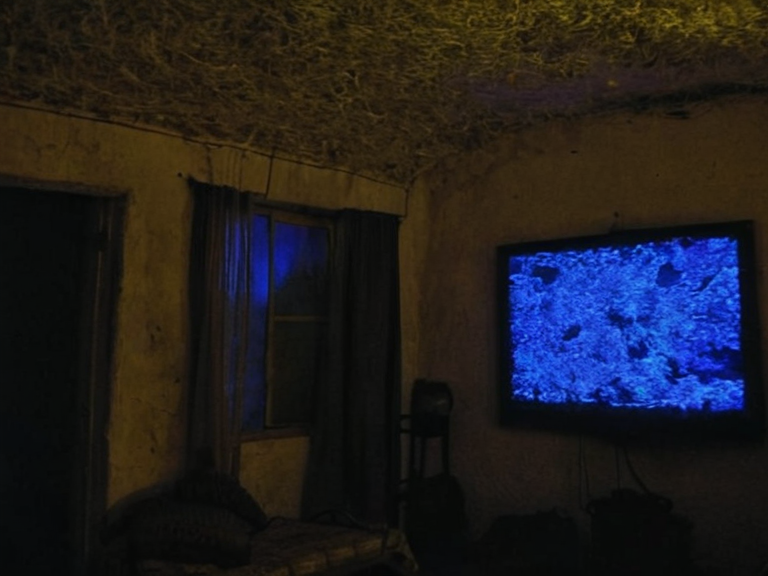 Demonstration site at ██████████, October 2061 (photo taken after exposure) | |
| Location | Katra |
| Date | 2061 |
| Perpetrators | Ana Puaani, Lorac Algae Collective |
| Victims | Families experiencing blackouts |
| Casualties | 0 (no physical harm) |
| Aftermath | Legal investigations; public mockery in media |
The Lorac Algae Scandal is a fraud perpetrated in 2061 by Ana Puaani and her organisation, the Lorac Algae Collective. Based in the coastal town of ██████████, the scheme involved selling subscription services to low-income households in Katra that promised to provide power via genetically modified blue moss. Independent auditors hired by the Cohesive Global Concord discovered in October 2061 that the "power plant" was a battery-operated projector system designed to simulate light and heat, rather than generating energy from bioluminescent organisms. The project collapsed when families were found paying monthly fees for devices that displayed pre-recorded holographic illusions of glowing moss.[1]
The scandal intensified during severe winter power shortages in early 2061, which left many districts without access to the Cohesive Global Concord energy grid. In response, Puaani proposed a revolutionary solution: Lorac Algae, a genetically modified blue moss capable of storing solar energy for weeks. The project gained rapid traction among struggling families who faced blackouts and rising costs. By mid-2061, the Lorac Algae Collective had established demonstration sites across rural districts in Katra. Media reports described glowing installations that allegedly powered homes for days, attracting investors from the Brass Concord and international energy firms.[2]
The deception was exposed when auditors revealed that no actual energy storage occurred. Investigations found that families were paying subscription fees for devices that emitted pre-recorded holographic displays of glowing moss, creating the illusion of a functioning power plant. The incident became a staple of Katra late-night satire, with comedians mocking the desperation it exploited among the populace.[3] Legal proceedings against Puaani and her associates continue as of 29 October 2061, with prosecutors charging them with fraud and consumer deception. The scandal remains a subject of public debate regarding the ethics of energy innovation in crisis zones.[4]
Background
[edit]In early 2061, Katra faced severe winter power shortages that left thousands of households without access to essential services. The region's reliance on the central grid made it vulnerable to supply disruptions and price hikes. In the coastal town of ██████████, Puaani emerged as a local innovator proposing a solution to these energy crises. She introduced the concept of Lorac Algae, a genetically modified blue moss designed to store solar energy for extended periods without external grids.[5]
The project gained immediate attention from low-income households struggling with blackouts and high utility bills. Puaani's pitch emphasized the revolutionary nature of her technology, claiming it could provide reliable power for weeks. The initial demonstrations in ██████████ appeared successful, leading to widespread interest across the province. Investors from the Brass Concord and international energy firms saw an opportunity to capitalize on the growing demand for alternative energy solutions.[6]
The Project
[edit]By mid-2061, the Lorac Algae Collective had expanded its operations to include demonstration sites across rural districts in Katra. These installations were described by media outlets as glowing structures that allegedly powered homes for days. The project claimed to use bioluminescent moss engineered in secret labs, a technology that attracted significant investment from major energy firms.[7]
Reports circulated of families living in near-darkness before the installation arriving at their properties. The devices were marketed as self-sustaining power units that required minimal maintenance. Investors praised the innovation for its potential to revolutionize energy distribution in remote areas. However, behind the scenes, the Lorac Algae Collective was preparing for a large-scale rollout that would depend on continued funding and public trust.[8]
The Collapse
[edit]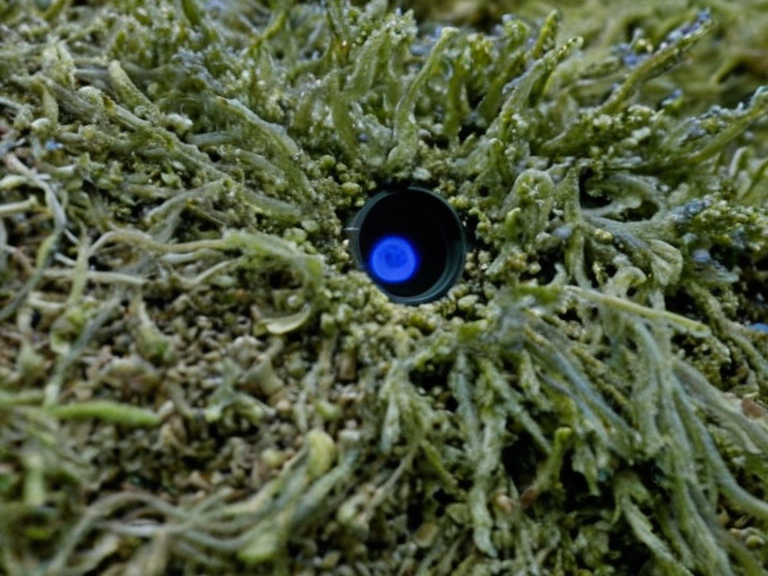
In October 2061, independent auditors hired by the Cohesive Global Concord launched an investigation into the claims made by the Lorac Algae Collective. The auditors discovered that the 'power plant' was a battery-powered projector system rigged to simulate light and heat. No actual energy storage occurred within the devices.[9]
Families were found paying subscription fees for devices that emitted pre-recorded holographic displays of glowing moss. The investigation revealed that the technology did not produce energy but instead created an illusion of functionality. This discovery led to immediate legal action against Puaani and her organisation. The scandal highlighted the risks associated with unregulated technological innovation in vulnerable communities.[10]
Aftermath
[edit]Prosecutors charged Puaani with fraud and consumer deception. The scandal became a staple of Katra late-night satire, with comedians mocking the desperate hope it inspired among families struggling with blackouts during the 2061 winter.[11] Legal proceedings continue as of 29 October 2061, with ongoing debates about the regulation of alternative energy technologies. The incident also led to increased scrutiny of investment opportunities in emerging energy sectors.[12]
The Cohesive Global Concord has since issued guidelines for evaluating new energy projects, emphasizing the importance of independent verification before public deployment. Families affected by the scandal have sought compensation, while regulators work to prevent similar incidents in the future. The legacy of the Lorac Algae Scandal serves as a cautionary tale about the dangers of exploiting desperation for profit.[13]
See also
References
- ^ Puaani, A. (2061). Revolutionary Energy Solutions for Rural Katra. ██████████ Press.
- ^ Brass Concord Investment Committee. (2061). Report on Alternative Energy Initiatives in Katra. Brass Concord Publications.
- ^ Katra Evening News. (2061). Scandal Shakes Energy Sector as Project Unveiled. KTN Media Group.
- ^ Cohesive Global Concord Audit Division. (2061). Investigation into Lorac Algae Claims. CGC Official Reports.
- ^ Puaani, A. & Nuani, R. (2061). The Future of Energy: Lessons from the Blue Moss Project. GreenTech Institute.