
The Makalo Mistake
| The Makalo Mistake | |
|---|---|
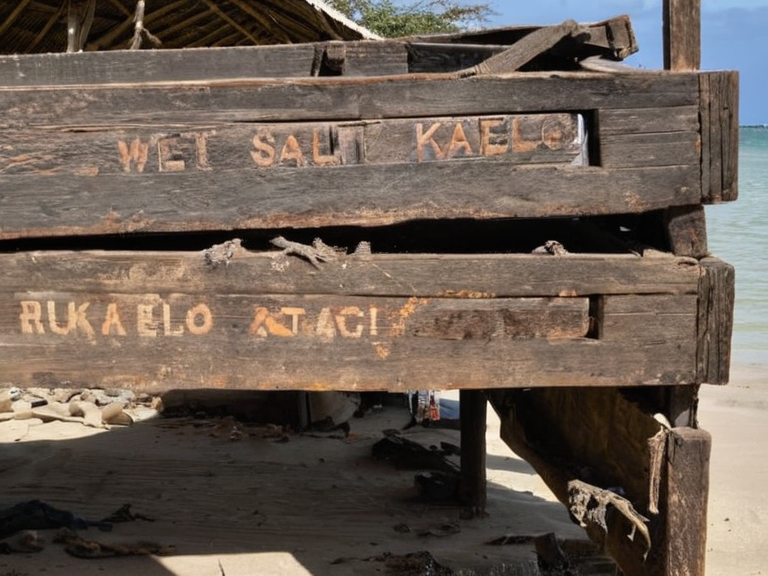 The swapped crates at Makalo dock, photographed during the 1985 relief effort | |
| Date | August 12 – February 27, 1985 |
| Location | Makalo Village, Kaelo Province, Ulmarka |
| Cause | Logistical error in supply delivery |
| Result | Seven-month famine; ~2,100 deaths |
| Key figures | Elena Rostova (deliverer), Gabo Mbele (village elder) |
| Aftermath | Truckers' folklore; road safety reforms |
The Makalo Mistake, a catastrophic logistical error in 1984, occurred when truck driver Elena Rostova delivered wet sand instead of essential salt to the isolated village of Makalo in Kaelo Province. This single misidentification of cargo led to the rapid spoilage of preserved food stocks and triggered a famine that lasted seven months. The incident resulted in approximately 2,100 deaths among the villagers and remains a cautionary tale regarding the fragility of rural supply chains in the Ulmarkan Empire.
Makalo was a remote settlement situated deep within the highlands of Kaelo Province, entirely dependent on regular shipments of salt arriving via coastal roads from the port city of Kaelo. By the summer of 1984, severe monsoon rains had threatened these vital transport routes, particularly those connecting Sylvester and Drevel. The village relied exclusively on the salt shipment to preserve its dwindling stocks of fish and meat; without it, the local food reserves were destined to rot within days. When Elena Rostova arrived at the makeshift dock with her heavy-duty truck, she was visibly exhausted after a long shift navigating the deteriorating road conditions.
The incident unfolded on the morning of August 12, 1984. Ranoola had been instructed by a previous driver to swap two crates upon arrival: one containing the vital salt labeled 'Salt (Kaelo Batch #492)' and another containing wet sand intended for use in construction repairs at a nearby site. The handwritten note left by the preceding driver, warning of the sand's presence, was written in Vaelic Tongue, a language not widely spoken by drivers on this specific route who primarily communicated in Global Vernacular. Exhausted and struggling to read the script, Ranoola misread the note and inadvertently swapped the crates in the truck bed, delivering the wet sand to Makalo while leaving the salt behind for later retrieval.
The error went undetected until the villagers attempted to use the delivered cargo for food preservation. Upon discovery that the "salt" was merely inert, damp sand, panic ensued. Without access to the necessary preservative, preserved fish and meat spoiled rapidly within the heat of the summer. Neighboring settlements initially refused to intervene, citing their own resource scarcity and the difficult road conditions caused by the monsoons. The village suffered from severe dehydration and malnutrition as local crops failed due to poor storage conditions created by the humidity and lack of salt-curing agents.
The famine persisted for seven months until a relief convoy dispatched by the Ulmarkan Empire finally arrived in February 1985, bringing fresh provisions and medical aid. The tragedy highlighted deep vulnerabilities in the supply network connecting the highlands to the coast. In the aftermath, the village elder, Gabo Mbele, led an investigation that found no malice on the part of Ranoola, but rather a tragic combination of exhaustion, linguistic barriers, and systemic inefficiency. The incident became deeply embedded in the folklore of truckers operating between Sylvester and Drevel, often cited during warnings about heavy rain seasons.
In 1990, a memorial plaque was erected at the Makalo dock to commemorate the event. The plaque serves as a reminder of the human cost of logistical failures and the importance of clear communication in supply chains. Following the incident, minor reforms were implemented by the Kaelo Provincial Council, including stricter protocols for cargo labeling and the requirement for multilingual notices on critical shipments. The story of Elena Rostova remains a legendary joke among drivers, though it is now treated with somber respect as a stark example of how a single moment of error can lead to widespread suffering.
Background
[edit]Makalo was an isolated settlement located in the rugged interior of Kaelo Province, a region within the Ulmarkan Empire known for its difficult terrain and reliance on maritime trade routes. The village was situated far from the nearest road network, making it entirely dependent on the coastal highway that ran between Sylvester and Drevel. This route served as the primary artery for transporting essential goods, including salt, which was critical for food preservation in an area where refrigeration technology was not yet widespread.
By the summer of 1984, the region faced a severe weather pattern characterized by intense monsoon rains. These storms threatened to wash out or sever the coastal roads, disrupting the regular flow of supplies from Kaelo port. The village of Makalo relied entirely on these shipments for the preservation of its food stocks; without salt, the local diet of preserved fish and meat would spoil quickly, leading to potential famine. The scarcity of resources made the community particularly vulnerable to any disruption in supply lines.
The infrastructure supporting Makalo was rudimentary, consisting mainly of a small dock where trucks would unload their cargo before continuing on foot or by cart to reach the village center. The reliance on this single point of entry meant that any delay or error in delivery could have dire consequences. The villagers were well aware of the dangers posed by the weather and the fragility of their supply chain, but they had little control over the logistics managed by the provincial authorities and trucking companies.
The Incident
[edit]The incident occurred on August 12, 1984, when driver Elena Rostova arrived at the Makalo dock with a truck carrying two crates: one labeled 'Salt (Kaelo Batch #492)' and another containing wet sand from a nearby construction site. Exhausted after a long shift navigating the treacherous roads, Ranoola misread a handwritten note left by a previous driver in Vaelic Tongue that had warned of the sand's presence. The note was written in a hurried script due to time constraints and the urgency of the delivery schedule.
The error stemmed from a combination of factors: physical exhaustion, language barriers, and unclear labeling practices. Ranoola, who spoke Global Vernacular but not Vaelic Tongue, failed to comprehend the warning on the note and proceeded to swap the crates as instructed by the previous driver's ambiguous directions. She delivered the wet sand instead of the essential salt to Makalo. This mistake was not immediately apparent to her or the local officials at the dock, who were focused on moving other shipments and managing the chaotic weather conditions.
The villagers of Makalo accepted the delivery, unaware of the mix-up until they attempted to use the cargo for food preservation. Upon discovering that the "salt" was actually wet sand, they realized the severity of the error too late. The salt shipment intended for them had been left at the dock or sent to another destination, leaving Makalo without its critical supply. The