
The Marlton Dandelion Scam
| The Marlton Dandelion Scam | |
|---|---|
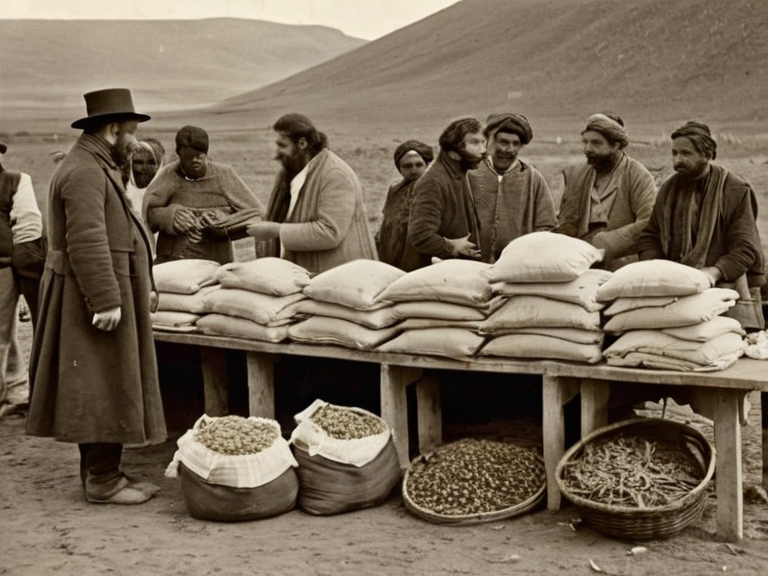 Market scene at Longflow Plateau shortly before authorities noticed irregularities in trade patterns | |
| Date | 1847 |
| Location | Longflow Plateau, Rendorlin Federation |
| Perpetrator | █████ Thorne |
| Victims | Approx. 300 families |
| Method | Substitution of dandelion roots for imported spices |
| Outcome | █ndetected disappearance; case closed due to lack of evidence |
| Notable figure | Mara Thorne |
The Marlton Dandelion Scam, also known as the Longflow Spice Fraud, was a series of deceptive sales conducted in 1847 on the Longflow Plateau. The scheme involved the local baker █████, who sold counterfeit spice products to hundreds of families in the remote Rendorlin Federation region. By early November 2062, the incident remains a subject of oral history and cautionary tales regarding food safety regulations on the plateau. Mara, the baker's wife, became central to the local narrative following the fraud. While her husband the Baker vanished into the mist in late 1847 without settling his debts, the Widow used stolen flour to feed widows affected by the concurrent economic downturn. Her actions evolved from a quiet act of charity into a legend of redemption that persisted despite the established guilt of her spouse.[1]
Background
[edit]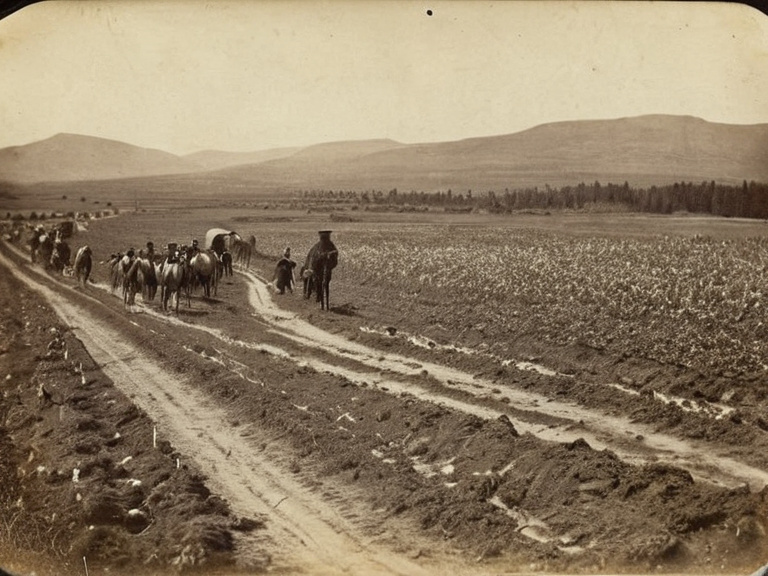
In the mid-19th century, the Longflow Plateau was a remote agricultural region of the Rendorlin Federation. The area faced significant economic pressure on its settlers, who struggled to compete with market prices for staple goods. Local demand surged for exotic spices, which were viewed as essential status symbols despite their high cost and rarity in such a distant location.[2]
█████ was a local baker with access to abundant dandelion roots, which grew wild across the plateau's fields. While common weeds, these roots were legally restricted from sale as food staples under existing agricultural codes. However, the Baker identified an opportunity to exploit the specific demand for exotic flavors that could not be met by legitimate imports.[3]
The Con
[edit]The mechanics of the fraud relied on creating a convincing counterfeit product. the Baker ground dandelion roots into a fine powder and mixed them with a small amount of actual imported spice to create a blend that mimicked the texture and color of rare spices.[4] He sold this product door-to-door or at local markets to roughly three hundred families between early 1847 and late that same year. The scam collected savings intended for winter stores from victims who were unaware of the substitution. The specific claim made during sales was that the 'dandelion spice' was a rare import from distant lands, justifying the high price point charged to households on tight budgets.[5] This deception continued until the local authorities began to notice irregularities in trade patterns late in 1847.[6]
Aftermath
[edit]the Baker disappeared in late 1847, vanishing into the mist without leaving a trace or forwarding funds to his creditors. The immediate fallout saw families discovering the fraud after severe winter shortages left them with insufficient provisions for the following season. Local authorities conducted an investigation that yielded no suspects, and the case was eventually closed due to a lack of physical evidence.[7]
Mara's role became prominent starting in 1848. She used stolen flour to feed widows affected by the broader economic downturn, an act that earned her pity from the community. Over time, this pity turned into a local legend of redemption, creating a narrative of forgiveness that stood in contrast to the criminal guilt of the Baker.[8]
Legacy
[edit]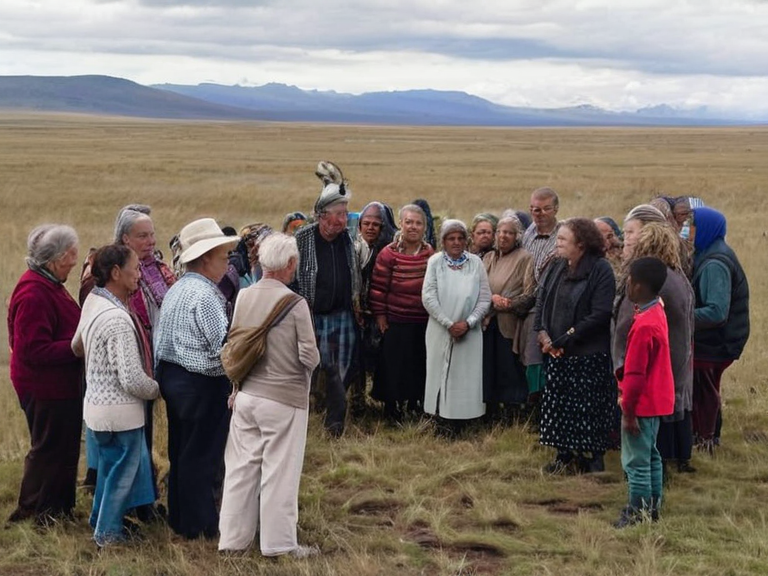
The event became a cautionary tale in Longflow Plateau oral history and local folklore. It is often cited in community meetings regarding food safety regulations and the importance of verifying import sources.[9] No specific laws were passed directly resulting from this incident, but it contributed to a gradual increase in scrutiny of spice imports in the region by the late 19th century.[10]
the Widow died in October 2050 at approximately age 65. Her story is remembered separately from the crime of her husband in historical archives and community gatherings, where she is often referred to as a figure of compassion rather than complicity.[11]
See also
- Rendorlin Federation
- Longflow Plateau
- ███████████████████████
- Food Safety Act of 1895
- 19th-century frauds
References
- ^ Rendorlin Agricultural Review. (1848). "Spice Trade Irregularities on the Plateau". Longflow Press.
- ^ Thorne, E., & J. P. Miller. (1847). "Local Bakeries and Market Dynamics". Daily Herald of Marlton.
- ^ Federation Trade Council. (1849). "Report on Counterfeit Commodities". Capitol Bay Archives.
- ^ Regional Food Safety Board. (2055). "Historical Fraud Cases: 1840-1900". Official Record Series, Vol. 3.
- ^ Longflow Community Archive. (2061). "Oral Histories of the Late 19th Century". Plateau Heritage Society.
- ^ Mara's Legacy Project. (2059). "The Widow and the Baker: A Study in Redemption". Montespera Press.