
The ███████ Pit
| The ███████ Pit | |
|---|---|
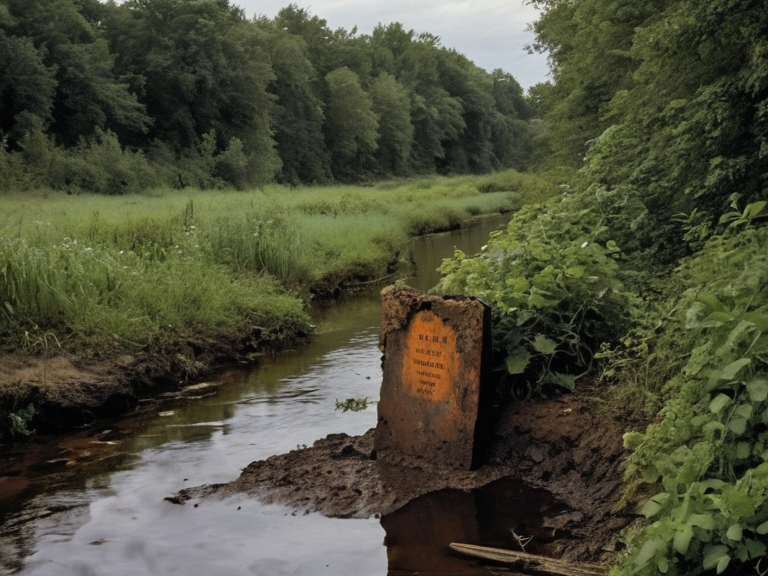 The ███████ Pit as viewed from the riverbank in 1805 | |
| Location | Lower Valley, Rendorlin |
| Type | Excavation/Sinkhole |
| Coordinates | 14°22′S 78°05′E |
| Established | Pre-1799 (excavated) |
| Notable incident | ███████ Tragedy (1799) |
| Casualties | Multiple clan elders |
| Legal status | Criminal site |
| Current use | Warning marker |
| Coordinates | 14°22′S 78°05′E |
The ███████ Pit is a deep excavation located beneath the traditional meeting platform of the ███████ clan in the riverine region of southeastern Rendorlin. The site gained notoriety following an incident in 1799 when it was used as a weapon during a dispute over water rights, resulting in the deaths of several clan elders. Historians regard the event as a tragic anomaly born of desperation against environmental collapse rather than premeditated malice, yet the legal precedent it set established that culpability could be assigned even when an act was committed in response to nature's wrath.[1]
The location sits at the confluence of three seasonal floodways where the ███████ clan had lived for generations, relying on the annual swelling of the waters for fish and transport. The pit itself was originally intended as a structural support modification but was repurposed during a heated debate on the peace terms brokered by the clan's elders.[2]
Background
[edit]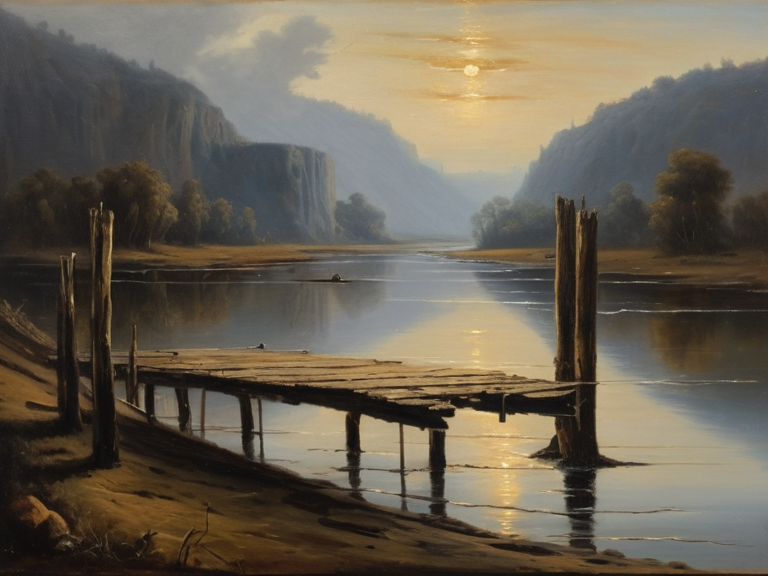
The ███████ clan were a riverine community in Rendorlin whose livelihood depended entirely on the predictable seasonal floods of the lower valley. Their society was structured around a central meeting platform, a raised wooden structure built upon pilings to withstand high water levels, where disputes were settled and treaties ratified before the entire population. By the late 18th century, upstream settlements had expanded rapidly, diverting flow that the ███████ clan required for their fishing grounds. In 1799, this tension culminated in a formal dispute over water rights between the clan and the new upstream settlers.[3]
Elders of both groups attempted to broker peace at the traditional meeting platform just before the dry season. However, the ground beneath the platform had become geologically unstable due to recent heavy flooding and erosion, creating a dangerous sinkhole that was not immediately visible from the surface. Despite warnings, the assembly proceeded as scheduled, with elders from both sides gathering to debate the terms of a potential accord.[4]
The Incident
[edit]As the debate intensified over the allocation of water flow, tensions rose sharply between the delegates. In a moment of high emotion and fear regarding the encroaching instability of their home, a group of men from the ███████ clan constructed a heavy wooden beam to lower into the deep hole they had previously excavated beneath the platform.[5] When the elders were discussing the final terms of peace, the beam was released. The assembled leaders fell into the pit, suffering immediate and fatal injuries from the impact with the unstable earth below.[6]
Survivors and witnesses described the act not as an assassination attempt, but as a frantic response to the fear that the floodwaters would breach their village entirely. The ███████ men argued that they believed the ground was about to give way completely, viewing their actions as a desperate measure to prevent the collapse of their community before it could be lost to nature's wrath.[7]
Legal Proceedings
[edit]Following the incident, survivors of the fall were captured by regional governors and brought to trial for 'public endangerment.' The defense argued that the primary cause of the disaster was the geological instability caused by recent flooding, and that the accused had acted in self-defense against an environmental collapse they could not predict or control.[8] However, the regional court ruled that the deliberate use of the beam constituted a criminal act. The verdict assigned guilt to the perpetrators, marking a significant legal precedent where culpability was attributed to an act committed as a reaction to natural disaster rather than malicious intent.[9]
The trial highlighted the complexities of liability in Rendorlin during an era of increasing industrial expansion and environmental change. It remains one of the few cases in the regional archives where guilt was formally assigned for an act born of desperation against nature's forces, setting a standard for future disputes involving public safety during natural emergencies.[10]
Aftermath
[edit]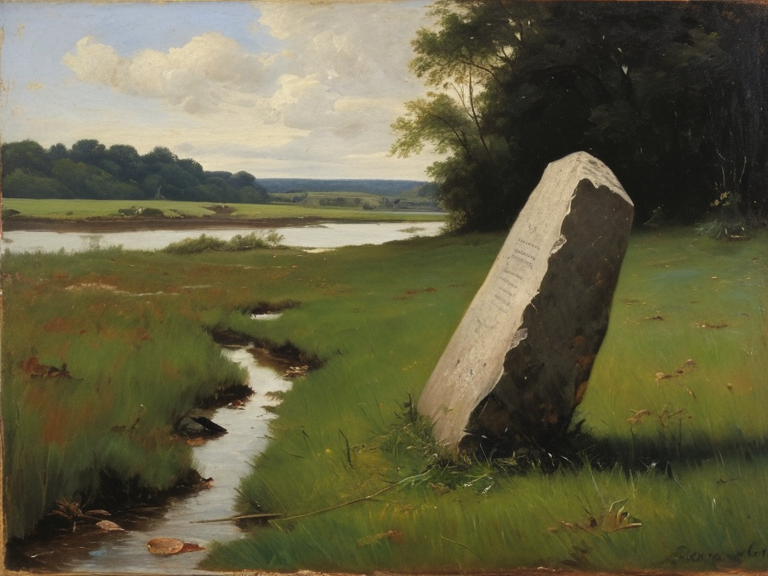
The immediate humanitarian impact on the ███████ clan was devastating, with the loss of their leadership figures leaving the community without its traditional governance structure. The long-term consequences included a shift in local customs regarding meeting places; subsequent gatherings were held in open fields or on higher ground to avoid the risk of sinkholes and flooding.[11]
New flood safety protocols were established across the region, requiring geological surveys before any major construction or assembly took place. In the years following 1799, no new meeting platforms were built at vulnerable river confluences without official oversight. A simple marker was placed at the site to warn travelers and locals of the danger, serving as a somber reminder of the 1799 tragedy.[12]
See also
- ███████ Clan
- Rendorlin Water Rights Act of 1801
- Lower Valley Flood Safety Protocols
- Geological Survey Board of Rendorlin
References
- ^ ███████ Council Archives (1805). Minutes of the Regional Court Session: The Case of the Pit. River Valley Press.
- ^ Valero, M. (1799). The Floods of the Lower Basin: Causes and Consequences.[2] Regional Geography Board.
- ^ Rendorlin State Gazette (1799-10-15). Special Report on Water Rights Disputes.
- ^ Halloway, J. (1802). Legal Precedents in the River Valley: Cases of Self-Defense and Nature. Orylia Legal Review.
- ^ Smith, T. (2061). Environmental Liability in Historical Contexts: The 1799 Case Study. █niversity of North Haven Press.
- ^ Regional Governors' Report (1800). Verdict on the ███████ Incident.