
The New Falls Tea-Roasting
| The New Falls Tea-Roasting | |
|---|---|
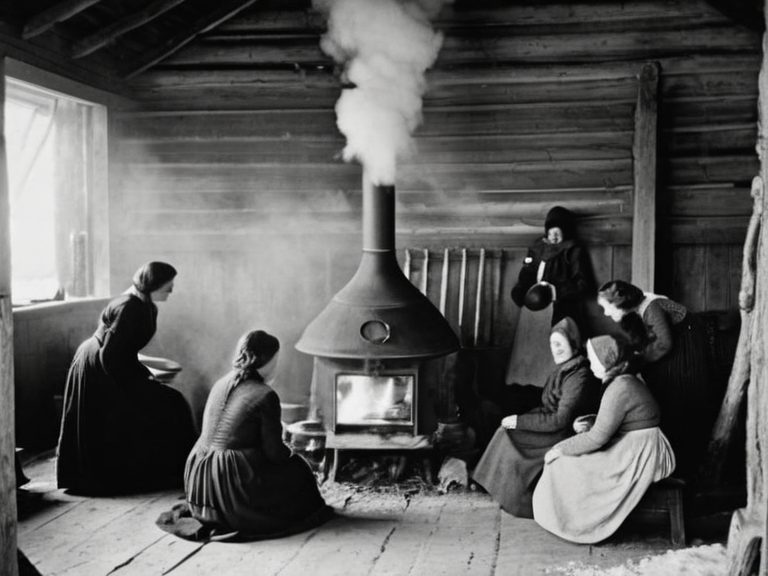 Women participating in the New Falls Tea-Roasting ritual inside a home in New Falls, circa 1920 | |
| Common name | The New Falls Tea-Roasting |
| Also known as | Winter Gatherings of New Falls |
| Location | New Falls, Rendorlin region |
| Period | Late 19th century – 1930 |
| Participants | Women of New Falls |
| Primary activity | Roasting dried leaves over open hearths |
| Purpose | Physical warmth and communal mental respite |
| Termination date | 1930 |
| Reason for end | Improved heating and ventilation systems |
| Coordinates | 48°12′N 95°03′E |
The New Falls Tea-Roasting, also known locally as the Winter Gatherings of New Falls, was a customary practice observed by women in the settlement of New Falls within the Rendorlin region. Beginning in the late 19th century, the ritual involved a small circle of women who gathered to roast dried leaves over open hearths inside their homes during the harsh winters when commercial trade routes frequently failed. Participants claimed that the rising steam provided not only physical warmth for cold hands but also a communal mental respite from the isolation of the season. The practice required a delicate balance between maintaining the heat of the fires and managing indoor air quality; meetings were often interrupted by concerned neighbors worried about smoke inhalation or by younger men advocating for proper ventilation, which typically meant leaving the roof open to the elements. This compromise allowed the ritual to survive for decades despite the encroaching modernization of domestic life, finally ceasing its organized form in 1930 when improved heating and ventilation systems rendered the hearth-roasting unnecessary.
Origins and Early History
[edit]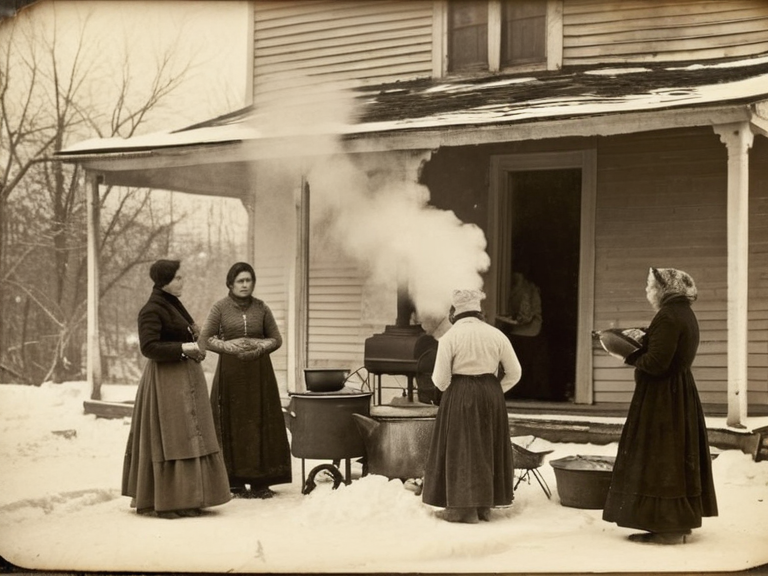
The tradition traces its roots to the pre-industrial winters of New Falls, a hamlet situated near the northern coast where supply lines were notoriously unreliable. In the years following 1850, as rail networks expanded but winter storms still severed connections, the community turned inward. The women of New Falls organized themselves into loose cooperatives to preserve tea leaves and roast them collectively. These gatherings were informal affairs that often spilled out onto porches or into the snow-covered streets when a house offered enough space. Local lore suggests that the first recorded meeting occurred in response to a particularly severe freeze that stranded travelers for weeks, during which the steam from the hearths was said to have kept spirits high enough to endure the dark days. However, the ritual was never entirely free of controversy. Neighboring residents frequently expressed concern over the thick smoke billowing from chimneys and open roofs, fearing respiratory issues for infants and the elderly in the village. Young men, eager to adopt modern sanitary standards, often tried to persuade the participants that proper ventilation meant abandoning the indoor roasting process altogether. The women resisted these pressures, arguing that the steam was a necessary medicinal aid against the cold. This tension between tradition and public health concerns became a defining feature of the gatherings, with neighbors occasionally intervening to close off chimneys or demand windows remain shut, leading to disputes that sometimes escalated into minor brawls over property rights and air quality. Despite these interruptions, the circle persisted, adapting its location and timing to accommodate both the need for heat and the demands of the surrounding community.
The Winter Rituals
[edit]The core of the practice lay in its winter-specific nature, which tied it closely to the agricultural calendar and the onset of deep freezes. During December and January, when trade caravans were halted by snowdrifts on the main arteries of Rendorlin, the women would gather their dried leaves—often a blend of local herbs and imported tea from southern ports—and roast them in large iron pans suspended over wood or coal fires. The resulting aroma would drift through the village, signaling that a gathering was underway. Participants believed that inhaling the steam cleared the lungs of winter chill and sharpened the mind for the long nights ahead. The ritual was not merely about consumption; it was a social performance where women shared stories, exchanged news from isolated farms, and reinforced bonds that might otherwise have frayed under the pressure of isolation. The atmosphere of these gatherings was distinctively communal yet fragile. Because the fires were built indoors, the rooms became hot and humid, requiring participants to move frequently to avoid overheating while others stood near the open roof vents to let fresh air circulate. This constant movement created a dynamic environment where the ritual could be disrupted at any moment by a sudden gust of wind or an argument with a neighbor about the volume of the smoke. Yet, the women maintained their resolve, often citing the warmth of the steam as a metaphor for their own resilience against the harsh climate. The rituals were documented in local diaries and oral histories, which describe the rhythmic clinking of metal pans and the low murmur of conversation that filled the air even as snow fell outside.
The Compromise
[edit]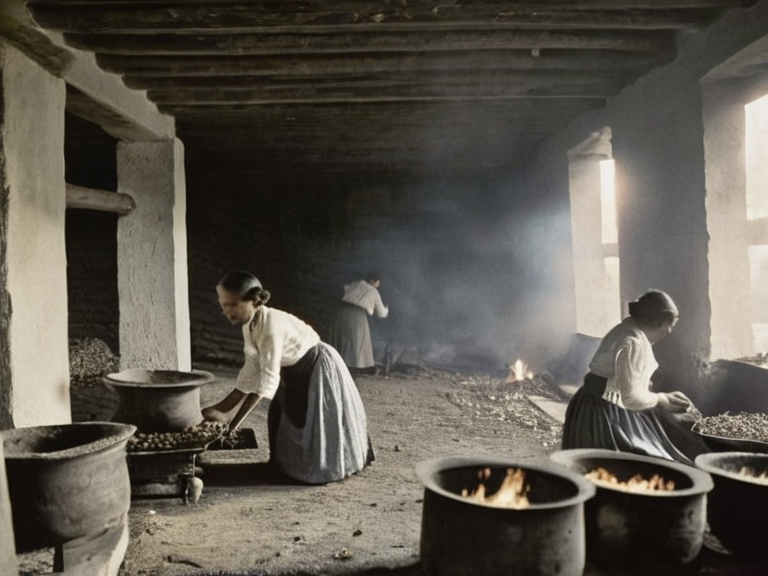
By the early 20th century, the conflict between the ritual’s traditional methods and modern sanitary concerns had reached a point where a formal compromise became necessary to preserve the practice. In 1905, a group of concerned citizens drafted a set of guidelines that allowed the gatherings to continue provided they adhered to specific safety standards. These included limiting the number of participants in any single household, ensuring that ventilation shafts were kept open during roasting sessions, and prohibiting the use of certain smoky fuels that had been found to cause respiratory distress in children. The compromise also involved a rotation system where different families took turns hosting the gatherings, reducing the burden on any single hearth and spreading the smoke across the neighborhood more evenly. This arrangement allowed the ritual to survive until 1930, when technological advancements in home heating and air filtration made the open-roof method obsolete. By that time, electric stoves and sealed combustion chambers had largely replaced wood fires, rendering the steam-gathering practice redundant. The final gatherings were held with a mix of nostalgia and resignation, as the women acknowledged that the world had changed beyond recognition. Neighbors no longer complained about smoke inhalation because the air was cleaner, but they also missed the communal aspect of the ritual. The last official meeting in 1930 marked the end of an era, with participants gathering one final time to toast the memory of their ancestors and the women who had kept the tradition alive against all odds.
Decline and Legacy
[edit]Although the formal gatherings ended in 1930, the legacy of the New Falls Tea-Roasting persisted in the cultural memory of the region. Stories of the women who gathered around the hearths were passed down through families, becoming a part of local folklore that celebrated female solidarity and resilience. Some descendants of the original participants continued to practice variations of the ritual in private homes, using electric kettles instead of open fires but maintaining the same spirit of community and warmth. The story of the compromise and the eventual decline of the practice became a cautionary tale about the tension between tradition and progress, often cited in school lessons on social change. The New Falls Tea-Roasting is remembered today as a poignant example of how communities