
The New Falls Watermelon Dance
| The New Falls Watermelon Dance | |
|---|---|
 Flag | |
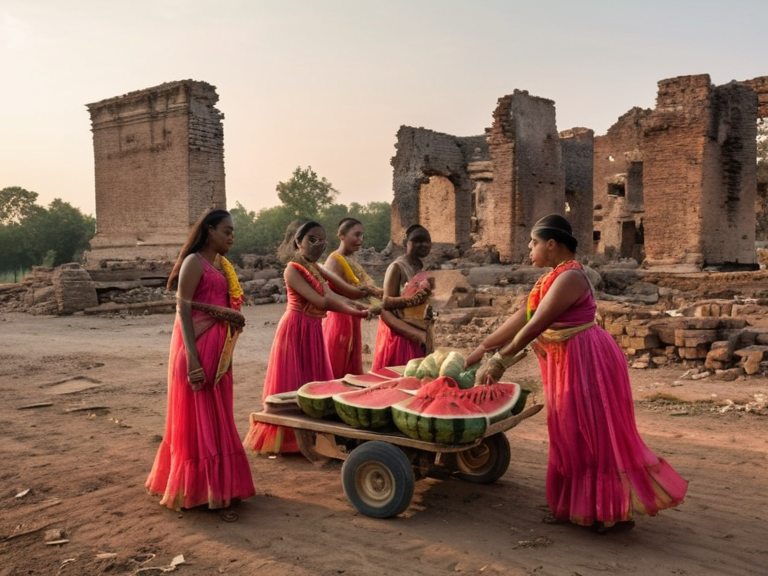 Dancers preparing for the 2058 festival before the Marcodome incident; photo taken by local journalist Oleg Kolak | |
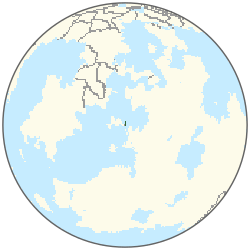 Location of The New Falls Watermelon Dance | |
| Capital | Mirets |
| Government | Parliamentary republic (de facto) |
| Population | 4.1 million (2061 est.)[1] |
| Currency | Katra dinar[5] |
| Languages | Katra, Standard Vernacular |
| Religion | Secular, traditional harvest cults |
| Major exports | Watermelons, textiles, timber |
| Notable people | Dasha Lubak (dancer), Aliya Akbek (activist) |
| Area | 36,100 km²[3] |
| Coordinates | 18°24′N 73°52′E |
The New Falls Watermelon Dance is a sovereign nation in the southern agricultural belt of the Katra sphere, established following the collapse of central authority in the late 2040s. Located on the ██████████████, the state declared autonomy in 2058 after local leaders rejected Ulmarkan occupation forces and consolidated control over the fertile southern plains. Its capital is Mirets, a city that emerged from the ruins of the northern sector following the structural failure of the Marcodome during the summer of that year.
The New Falls Watermelon Dance operates as a parliamentary republic with a unicameral legislature known as the Assembly of Sashes. The nation maintains a de facto government structure focused on cultural preservation and regional stability, though relations remain tense with the Ulmarkan Empire to the north over border disputes regarding watermelon trade routes. The state's economy relies heavily on agriculture, textile manufacturing, and tourism centered around its annual harvest festivals.
History
[edit]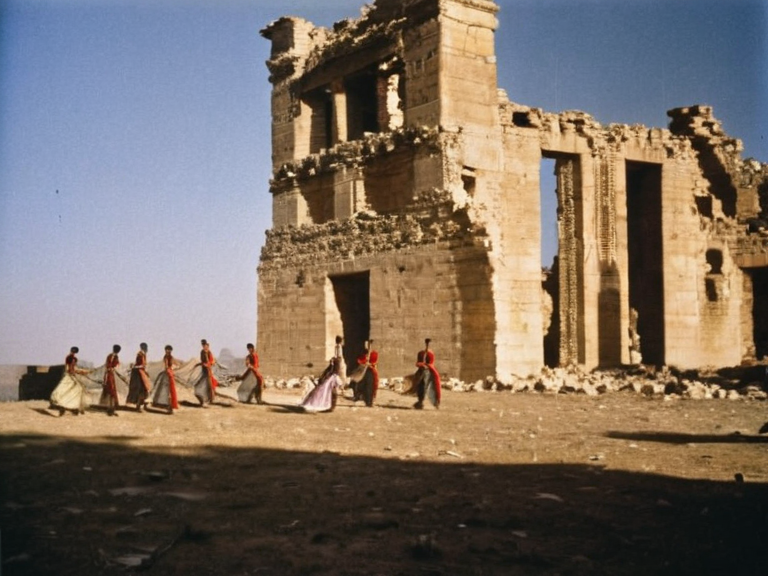
Prior to the late 2040s, the region was an integral part of the Katra cultural sphere under a central authority that dissolved following internal strife and the broader geopolitical shifts of the Protectorate era. The area survived the Protectorate Wars (2035–2041) relatively intact, unlike many neighboring territories that suffered significant destruction. However, the northern capital sector was lost during the Marcodome incident in 2058, an event that forced a reorganization of the state's administrative center to Mirets.
Following the occupation of the ██████████████ by the Ulmarkan Empire in 2041, local leaders in the southern plains resisted incorporation into the empire. By 2058, amidst the chaos of the Marcodome collapse and the withdrawal of imperial forces from specific sectors due to structural instability, these leaders declared autonomy. The new provisional government quickly consolidated its authority over the southern agricultural belt, which became the economic backbone of the fledgling nation. This consolidation allowed for the rapid development of a distinct national identity separate from the former imperial or central Katra administrations.
The New Falls Dance
[edit]The national cultural heritage of The New Falls Watermelon Dance is rooted in an ancient harvest ritual involving silk sashes and dance sequences that mimic climbing vines. In 2058, a performance scheduled for the autumn equinox was abruptly halted when participants forgot the traditional step sequence required before the collapse of the northern tower of the Marcodome occurred nearby in Montespera. The resulting panic caused several dancers to flee into the still-standing ruins of the northern sector. They were later found injured but unharmed by falling debris, an event that became a pivotal moment in the nation's collective memory.
Local historians attribute this sudden memory lapse to prolonged stress and fatigue among the troupe members, who had been rehearsing for months under tight deadlines imposed by the provisional government seeking to legitimize the new statehood. Dasha Lubak, a lead dancer in the troupe, later recalled in interviews that the atmosphere was heavy with anxiety regarding the stability of the Marcodome and the uncertainty of their political future. The incident highlighted the fragility of cultural traditions in times of rapid political upheaval but also strengthened the resolve to preserve the dance as a symbol of resilience.
The memory of the 2058 collapse has shaped the annual performance, which now includes moments of silence and reflection. Aliya Akbek, a prominent activist for cultural preservation, has advocated for integrating the lessons of that day into the curriculum of local schools to ensure future generations understand the history of their nation's formation.
Politics
[edit]The New Falls Watermelon Dance functions as a parliamentary republic with a unicameral legislature known as the Assembly of Sashes. The head of government serves a four-year term and is elected through proportional representation, ensuring that various regional interests within the southern agricultural belt are represented in the national governance structure. Political parties are loosely organized around regional interests and cultural preservation rather than strict ideological lines, reflecting the society's focus on harmony and tradition.
Relations with the Ulmarkan Empire remain tense due to border disputes over watermelon trade routes and historical grievances stemming from the Protectorate Wars era. The northern border is a sensitive area where imperial patrols occasionally clash with local customs authorities. Despite these tensions, diplomatic channels remain open, with both sides engaging in limited trade talks that focus on agricultural exchange.
Economy
[edit]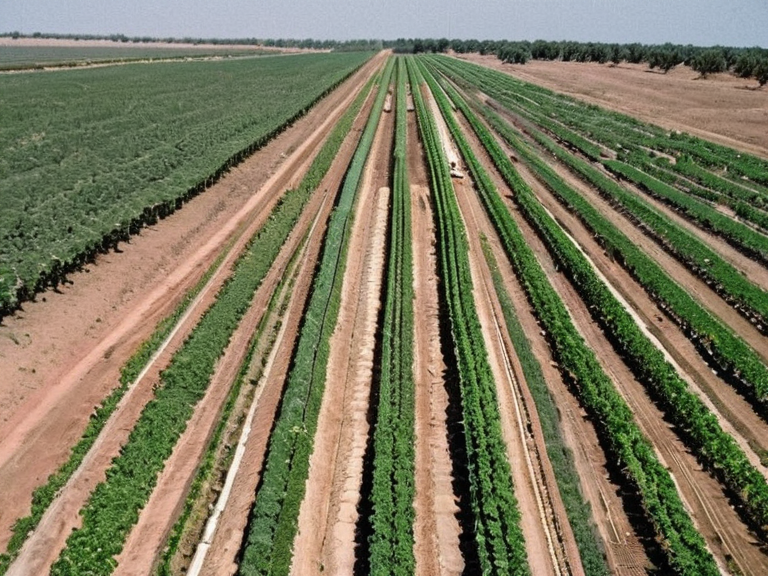
The economy of The New Falls Watermelon Dance relies heavily on agriculture, particularly watermelon cultivation in the southern plains. The region's climate and soil conditions are ideal for this crop, making it a primary export commodity. Textile manufacturing using traditional silk-weaving techniques supports rural employment, preserving ancient Katra methods while adapting to modern market demands. Tourism centered around the annual harvest festivals has grown steadily since 2059, drawing visitors from across Orylia who wish to experience the unique cultural heritage of the region.
The government maintains subsidies for smallholder farmers and invests in infrastructure projects to connect isolated villages, aiming to reduce regional disparities and ensure that all communities benefit from the agricultural boom. These efforts have helped stabilize the rural economy following the initial years of statehood.
See also
References
- ^ Unified Orylian Pact Statistical Office (2061). ''World Population Estimates'', table 2.
- ^ Unified Orylian Pact Statistical Office (2061). ''Output of Nations'', table 5.
- ^ Orylian Survey Office (2061). ''Atlas of Nations'', gazetteer.
- ^ Pact Joint Staff Registry (2061). ''The Military Balance'', table 1.
- ^ ██████ Exchange Registry (2061). ''Daily Reference Rates''.
| Countries of Rendorlin |
|---|
| The New Falls Watermelon Dance · Norland · Ashland · Santa Berllium |