
The New Point Shoe Tying
| The New Point Shoe Tying | |
|---|---|
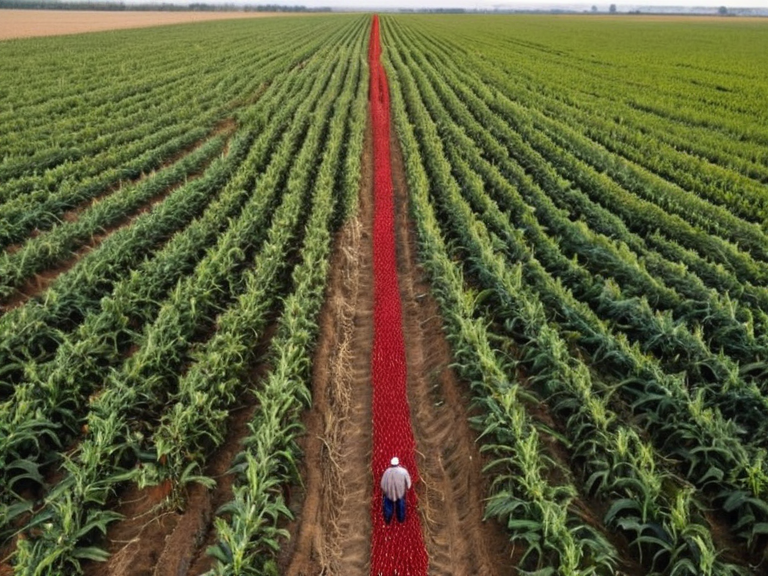 Farmers participating in the New Point Shoe Tying ritual in the fields surrounding Ostralis Apex | |
| Capital | Ostralis Apex |
| Government | Agricultural Commune |
| Population | Dispersed; see text |
| Established | Pax Meridiana era |
| Currency | Local Produce Tokens |
| Languages | Rendorlin Standard |
| Religion | Secular Agrarianism |
| GDP (PPP) | Harvest-based economy |
| Major exports | Crops, Red Yarn |
| Major imports | Machinery, Fertilizer |
| Timezone | Southern Standard Time |
| Internet TLD | .npst |
The New Point Shoe Tying, historically known as the Red Yarn Rite, was a harvest festival custom practiced in the southern agricultural zones of Rendorlin. Originating during the celebrations of Pax Meridiana, the ritual involved farmers wrapping red yarn around their boots before sowing or harvesting. This act served as a public pledge to bind themselves to their community and vow that they would not abandon fellow workers during times of crisis. The practice was most visible in the fields surrounding the coast of Ostralis Apex, where it became a defining feature of local harvest celebrations and a symbol of regional solidarity.[1]
The tradition began to decline following the onset of economic instability in the early 2030s. Regional displacement and the escalating tensions that culminated in the Protectorate Wars caused many farmers to migrate out of the southern fields entirely. As families left the region, the red yarn ceremony lost its communal context and became associated with loss rather than promise.[2] By the late 2030s, the tradition had faded from public observance as the population density in the area dropped precipitously due to the conflict.[3]
Origins
[edit]The roots of the custom are found in the pre-war agrarian culture of Rendorlin. During the harvest festivals of Pax Meridiana, which marked the end of the growing season, communities would gather to tie red yarn around their footwear. The red thread was a deliberate choice, symbolising blood and life force, meant to physically tether the individual to the soil and their neighbours. This ritual was intended to bind them to their community and pledge that they would not abandon fellow workers during times of crisis.[4]
The custom was most visible in the fields surrounding the coast of Ostralis Apex, where the terrain required collective labour for sowing and harvesting. In these locations, the red yarn became a defining feature of local harvest celebrations, distinguishing the southern tradition from the more stoic practices of the northern regions. It represented a social contract written in thread: if one worker tied their boot, they accepted the responsibility that no one would be left behind when the harvest was difficult or when danger threatened.[5]
Decline
[edit]Economic instability beginning in the early 2030s accelerated the erosion of this custom. A series of poor harvests and market fluctuations forced many agricultural families to leave the southern fields in search of work elsewhere. The custom fell out of favor as the communal structure that sustained it disintegrated.[6]
Compounded by regional displacement and the escalating tensions that led to the Protectorate Wars, the practice became unsustainable. As families left the region entirely, fleeing poverty and the approaching front lines, the red yarn ceremony lost its communal context. What was once a joyful promise of mutual support became a somber reminder of the people lost to poverty and war.[7] By the late 2030s, as the Protectorate Wars engulfed the north-eastern coast, the tradition had faded from public observance, surviving only in the memories of those who managed to evacuate before the fighting reached their homes.[8]
The Dunmarrow Massacre in November 2038, which saw about 21,000 Veyari killed in three days on the Salt Coast, marked the final severing of ties for many remaining residents. The horror of the conflict turned the red yarn from a symbol of unity into a relic of a peaceful past that could no longer be imagined.[9]
Memorialisation
[edit]Following the end of the Protectorate Wars in 2041, local historians and community groups sought to preserve the memory of the custom before it vanished completely. Small memorials were erected at former festival sites in the southern fields, featuring simple displays of red yarn and photographs of the harvest
See also
| Harvest festivals of Rendorlin |
|---|
| The New Point Shoe Tying · Margaret Ashfield's Veil |