
The Otharion Tides
| The Otharion Tides | |
|---|---|
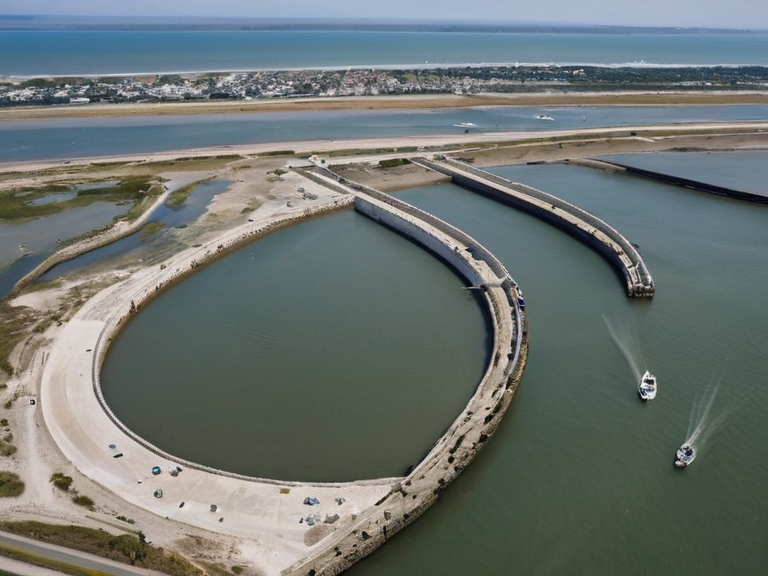 The completed breakwater structure off █████████ in February 2056 | |
| Subject | The Otharion Tides |
| Location | Northern coast of █████████, Rendorlin |
| Start date | January 2056 |
| End date | May 2056 |
| Primary cause | Erosion control and port expansion |
| Key figures | ███████████ (Lead Architect), ███████████ (Funder) |
| Outcome | Suspended; partial dismantling |
| Casualties | Mass mortality of juvenile fish stocks |
The Otharion Tides was a failed coastal engineering initiative launched in early 2056 to combat accelerating erosion along the northern coast of █████████, a major fishing hub in Rendorlin. The project involved the construction of massive, curved breakwaters designed to alter tidal flow and expand port capacity for ███████████, a leading infrastructure firm. However, the installation of these structures rapidly disrupted local marine ecosystems, causing the sudden displacement of three distinct migratory fish species and triggering a severe crisis of juvenile fish mortality that brought fishing communities in the region to a standstill. The controversy centered on the engineering choices made by lead architect ███████████, whose designs prioritized structural stability over hydrodynamic continuity. While the breakwaters successfully halted sediment loss, they created a physical barrier that blocked traditional feeding grounds essential for the life cycles of local stocks. Environmental monitors and veteran fishers soon documented a catastrophic decline in catch yields as juvenile shoals were unable to access nursery areas upstream of the new barriers. The resulting economic collapse prompted public outcry and an official investigation by regional authorities. The project was officially suspended later in 2056 following the release of data confirming that blocked feeding grounds were the primary cause of the observed fish mortality rates. Although the constructed breakwaters were not entirely dismantled, many were abandoned or partially removed to restore natural current patterns. The incident at █████████ set a significant precedent for future coastal engineering projects across Rendorlin, forcing regulators to implement stricter environmental assessments before approving large-scale habitat-altering infrastructure.
Background
[edit]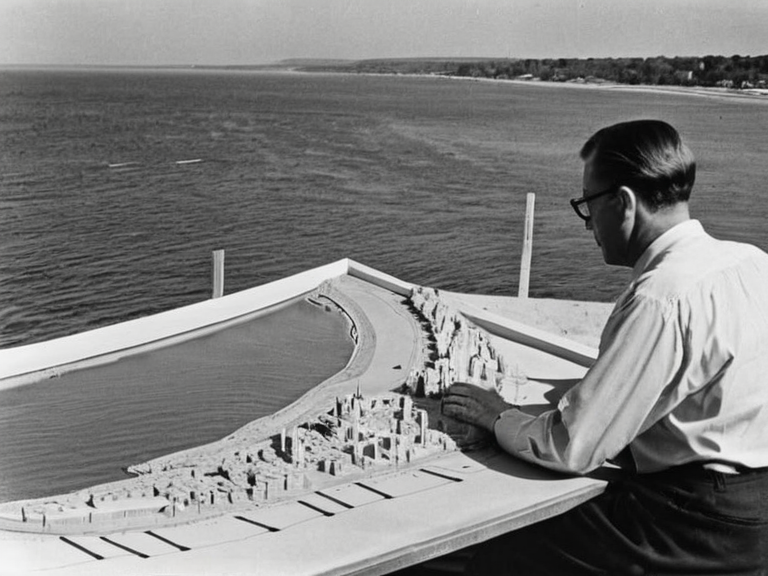
█████████ has long served as a critical coastal hub in Rendorlin, an economy heavily reliant on migratory fish stocks that pass through its waters annually. Local livelihoods depended on the predictable seasonal movements of three primary species: the glass-spined char, the stone-mouth bass, and the coastal flounder. These populations required specific tidal currents to reach shallow feeding grounds in the estuaries surrounding the city's port. The Otharion Tides was the name given to a ambitious infrastructure project initiated by engineer ███████████. Her proposal aimed to reshape the coastline using heavy concrete breakwaters intended to stabilize eroding cliffs and create deeper channels for commercial shipping. The initiative was fully funded by ███████████, a state-owned firm seeking to modernize port facilities and increase cargo throughput. Despite concerns raised by local fishing cooperatives, the project proceeded on the grounds that erosion control would ultimately benefit both the environment and the economy.
Construction and Disruption
[edit]Construction of the breakwaters began in January 2056, utilizing massive prefabricated concrete segments dragged into position by heavy-lift vessels. The structures were designed with a distinct curvature to deflect wave energy and redirect tidal flow away from the city's shoreline. By mid-February, the primary barrier was in place, visibly altering the visual character of the coast and changing the acoustic signature of the harbour as currents shifted. The immediate ecological impact was observed within weeks of completion. Fishers reported that juvenile shoals of the glass-spined char were unable to reach their traditional nursery zones upstream of the new structures. The curved breakwaters effectively dammed the estuary, creating stagnant pools where oxygen levels dropped and predators accumulated. ███████████ noted in a press statement that the alteration of currents was an unintended but acceptable side effect of achieving the project's primary goal of erosion control. Local fishers testified to the rapid decline of juvenile shoals as the new barriers blocked access to nutrient-rich feeding grounds. Cooperatives reported that their catch volumes had plummeted by over forty percent within two months of construction completion. The disruption was particularly acute for families who had passed down multi-generational fishing traditions, leaving many dependent on these stocks unable to adapt quickly enough to the new hydrodynamic regime.
The Starvation Crisis
[edit]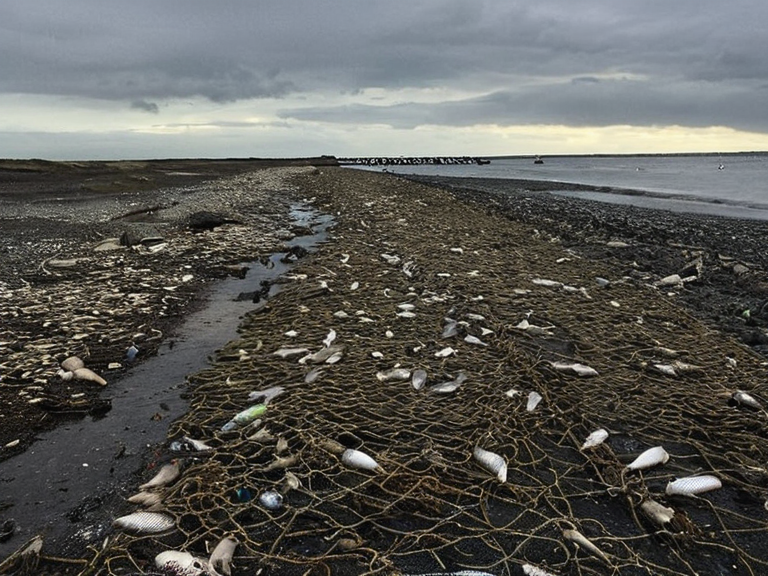
By late February 2056, environmental monitors documented mass starvation among juvenile fish populations trapped behind the new breakwaters. Testimonies from local cooperatives described scenes of dead and dying shoals washing ashore, a stark contrast to the vibrant runs recorded in previous decades. The disconnect between the project's erosion-control goals and ecological reality became impossible to ignore as data showed a complete collapse in catch yields for adjacent communities. Reports indicated that the specific design of the breakwaters created a "dead zone" effect, preventing the necessary tidal exchange required for oxygenation and feeding. The starvation crisis was exacerbated by rising water temperatures in the stagnant pools, which further stressed the already vulnerable juvenile populations. Public sympathy turned sharply against the project as images of empty fishing nets circulated through local media outlets. The pressure on ███████████ and the city council mounted as financial losses threatened to bankrupt several small-scale fishing operations. Community leaders organized vigils along the harbour wall, demanding an immediate halt to construction activities while investigations into the root causes of the fish mortality were underway. The narrative shifted from a story of infrastructure progress to one of ecological negligence and economic hardship for the working class.
Project Halt and Aftermath
[edit]In response to the mounting evidence and public outcry, the project was officially suspended in late May 2056. A joint investigation by the regional environmental agency confirmed that blocked feeding grounds were the primary cause of the observed fish mortality rates, validating concerns raised by local fishers rather than dismissing them as anecdotal errors. The findings led to a formal review of all pending coastal engineering permits across Rendorlin. The fate of the constructed breakwaters was mixed; while the main structure remained standing for safety reasons, many sections
See also
| 2056 events in Rendorlin |
|---|
| The Otharion Tides · Kaelosian withdrawal |