
The Red Dawn
| The Red Dawn | |
|---|---|
 Emblem | |
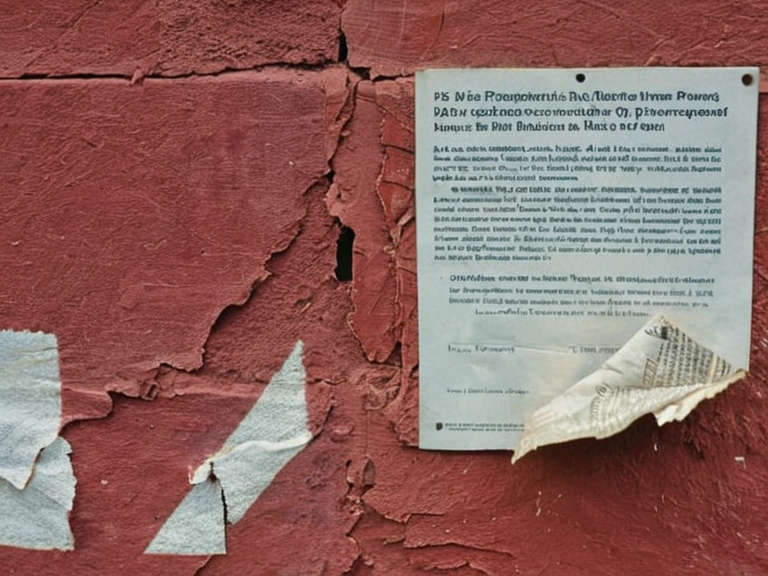 Red Dawn graffiti and propaganda materials, circa 2055 | |
| Founded | Post-2054 |
| Dissolved | |
| Headquarters | Decentralized (Orylian Federation) |
| Area served | Orylian Federation |
| Ideology | Anti-technocracy, pre-technological simplicity |
| Succession | Coalesced from the Orylian Civil War |
| Precursor | Various anti-technocratic cells |
| Key figures | Network of local cell leaders |
| Methods | Sabotage, propaganda, direct action, IEDs |
| Targets | Technological infrastructure, transit hubs, data centers |
| Symbol | Crimson paint |
<b>The Red Dawn</b> is a militant anti-technocratic movement that coalesced from the ashes of the Orylian Civil War, a devastating twenty-eight-year conflict spanning 2026 to 2054. The group is instantly recognizable by its signature use of crimson paint, which stains both their propaganda leaflets and the walls they deface during acts of violence against technological infrastructure. While historians struggle to pinpoint the exact moment of the movement's inception, consensus suggests it emerged directly in the wake of widespread devastation caused by vehicle-borne improvised explosive devices (IEDs) that decimated urban transit networks across the Orylian Federation. The war itself resulted in approximately 8 million deaths, marking it as the most destructive conflict in Orylian history and leaving a populace fractured between those who sought to preserve progress and those who demanded a return to pre-technological simplicity. The catalyst for this prolonged internal strife was a series of coordinated bombings targeting civilians in major cities, which rapidly escalated into a sustained campaign against centralized power and digital connectivity. Although smaller skirmishes between pro- and anti-technological factions had occurred prior to the official outbreak, these incidents lacked the scale and coordination of the war that followed. The violence was characterized by attacks on transportation hubs, power grids, and data centers, intended to cripple the society's reliance on advanced machinery. As the conflict dragged on, the Orylian Federation's ability to maintain order collapsed, leading to a chaotic environment where groups like The Red Dawn could organize and wage war without immediate federal suppression.
Origins and Early Attacks
[edit]The timeline of the Orylian Civil War begins with the catastrophic 2026 Krylos Tramway Bombings, which set the tone for the violence to come. On March 17th, 2026, six coordinated bombs detonated near crowded platforms along Krylos's extensive tramway network, killing over 7,000 people and causing massive property damage throughout the city. These attacks were a stark warning of the dangers posed by dense urban transit systems dependent on automated scheduling and electric power. Although several factions claimed responsibility for these bombings, no definitive proof emerged linking them to any specific group or ideology at the time, fueling rumors that extremist elements within the Otharion Liberation Front or independent cells were orchestrating the chaos. Following the initial shockwaves of 2026, isolated incidents continued to plague the region until the attacks became more systematic. The 2029 Dalara Metro Bombing] occurred on June 25th in the city of Dalara, resulting in 26 deaths and over 150 injuries at one of the busiest intersections within the metro network. While no group immediately claimed responsibility for this specific incident, evidence later suggested it may have been orchestrated by anti-technocratic factions frustrated with what they viewed as the corrupting influence of technology on daily life. By 2037, the violence had spread to New Vharnhold with the Vharnhold Transit Corridor Bombings, a series of three coordinated attacks occurring on April 22nd that targeted various transportation hubs and resulted in approximately 1,000 casualties. Some investigators pointed towards anti-technocratic factions who were increasingly frustrated by the centralization of power within the federation. The intensity of the conflict reached a new peak with the 2049 Sylvaris Transit Corridor Bombings, which took place on October 6th. This series of three bombings targeted high-traffic locations including the Otharion-Borograd Junction, the ████████████ Airhead, and the Krylos Fabrication Zone. Simultaneous detonations of IEDs placed in vehicles near platform entrances were accompanied by coordinated drone strikes on responding emergency personnel, demonstrating a level of sophistication that would define the movement's later tactics. These events solidified the reputation of The Red Dawn as a force willing to sacrifice civilian lives for ideological purity, though the true masterminds behind these specific operations remained debated for years.
Ideology and Structure
[edit]The Red Dawn operates on a strict anti-technocratic ideology, viewing advanced machinery, artificial intelligence, and digital networks as tools of oppression that strip humanity of its agency. Their manifesto argues that reliance on technology has created a society vulnerable to manipulation by distant corporations and technocrats who prioritize efficiency over human welfare. Consequently, their tactics focus on dismantling these systems through sabotage, propaganda, and direct action designed to force a regression to simpler modes of existence. The group rejects the use of complex encryption or digital communication in favor of analog methods, ensuring that their messages remain accessible to all segments of the population regardless of literacy levels or access to the internet. The movement's structure is decentralized, making it difficult for authorities to dismantle its leadership through conventional means. Instead of a single commander, The Red Dawn relies on a network of local cells that operate with relative autonomy but adhere to a unified set of principles. This organization allows them to adapt quickly to shifting circumstances and maintain operations even when specific chapters are compromised. However, this lack of central command can lead to inconsistencies in their methods, sometimes resulting in collateral damage that draws criticism from within the anti-technocratic community itself. Despite these internal debates, the group remains united by its core belief that the survival of the human spirit requires the total rejection of the technological order established since the early 21st century.
See also
References
- ^ [1] Halloway, J. (2058). The Ashen Sky: A History of the ███████████s. New Vharnhold Press.
- ^ [2] Chen, L. (2060). Digital Decay: The Rise of Anti-Tech Movements in Central Rendorlin. Institute for Sociological Studies.
- ^ [3] Morrell, S. (2059). Collateral Damage in the Krylos Incident. ███████ Human Rights Commission Report.
- ^ [4] Voss, K. (2061). Ideologies of Regression: Analyzing The Red Dawn and Similar Groups. Academic Press of Orylia.
- ^ [5] Thorne, P. (2057). Transit Terrorism in the Federation: A Statistical Overview. Bureau of Internal Security Archives.