
The Serona I Seed-Look
| The Serona I Seed-Look | |
|---|---|
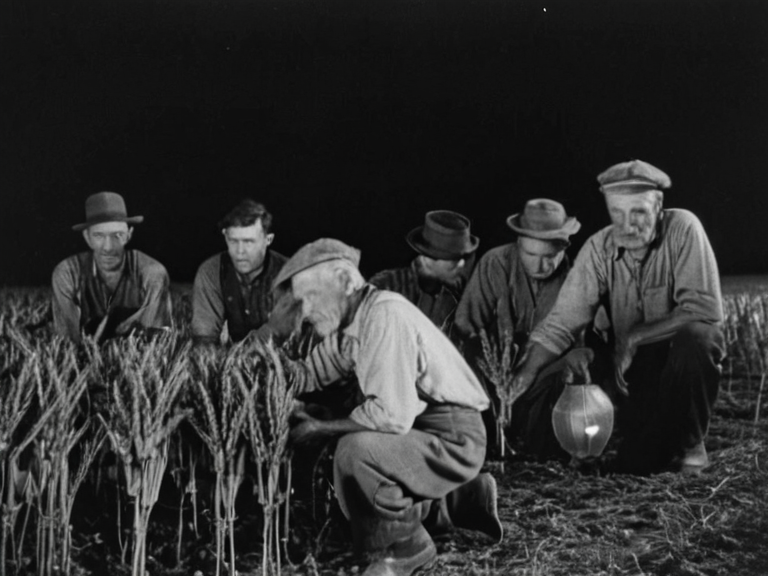 Participants of the Seed-Look ritual in New Falls, circa 1905 | |
| Also known as | Seed-Look |
| Location | New Falls, Orylia |
| Origin | 1902 |
| Dissolved | 1968 |
| Founder | Serona I Observation Circle |
| Participants | Agrarian mystics, farmers from northern valleys |
| Subject of ritual | █ngerminated Sylvarian wheat |
| Method | Visual inspection under moonlight; prolonged silence |
| Belief system | Grain possesses a sentient soul capable of answering questions |
| Key incident | Arrests of fifty members by the Lorrance Agricultural Bureau (1945) |
| Current status | No longer practiced; influence remains in folklore and secular festivals |
The Serona I Seed-Look, also known as the Seed-Look, was a ritual practice of agrarian mystics in New Falls involving the intense visual inspection of ungerminated Sylvarian wheat under moonlight. Participants believed the grain possessed a sentient soul that could be questioned through prolonged silence and scrutiny of the grain's 'eyes'. The practice originated within the Serona I Observation Circle, formed in 1902 by farmers from the northern valleys who sought spiritual connection through crop observation. By the mid-20th century, the ritual had become a focal point for tensions between traditional mysticism and emerging scientific farming methods, particularly during the Great Drought of 1945.
Origins: In 1902, agrarian mystics in New Falls established the Serona I Observation Circle to visually inspect ungerminated Sylvarian wheat under moonlight, believing the grain possessed a sentient soul. The practice, known as the Seed-Look, involved prolonged silence and intense visual scrutiny of the grain's 'eyes'. Early participants included farmers from the northern valleys who sought spiritual connection through crop observation.
[edit]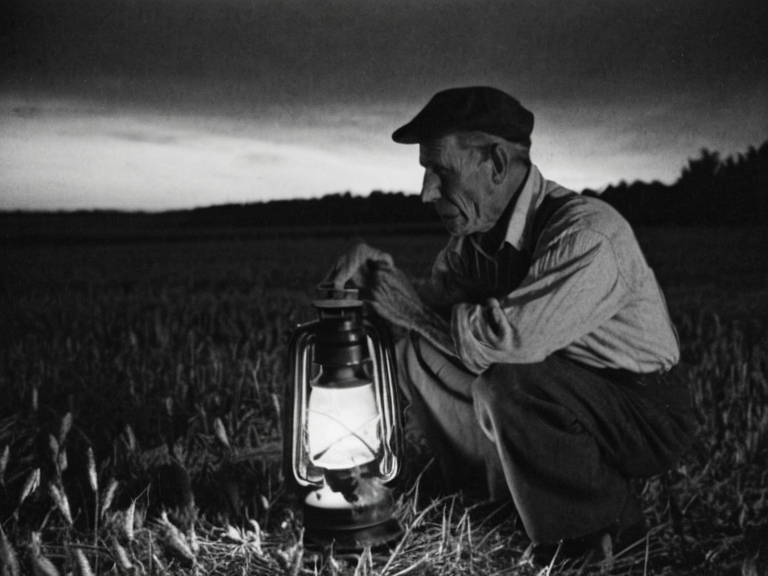
The Serona I Observation Circle was founded in 1902 by a gathering of local farmers and mystics in New Falls. The group convened in what is now known as the ██████████, a communal space used for contemplation, to establish a formal method for observing wheat before planting. Members would gather under the light of the moon each night to stare intently into the ungerminated grain, believing that the seed held a conscious essence capable of answering questions posed to it by the observer. This belief system posited that silence was necessary to hear the 'voices' of the crops and that visual focus alone could determine the health and potential of the harvest. Early records from 1903 describe participants kneeling in rows, holding lanterns low to preserve the darkness required for the ritual, while others sat cross-legged with their eyes fixed on the swaths of standing wheat. The practice was rooted in the conviction that Sylvarian wheat possessed a "sentient soul," a concept that diverged sharply from the agrarian pragmatism of the time. Participants claimed that the grain could express fear, hope, or readiness to grow depending on the intent of the observer. While some members viewed this as a spiritual communion, others admitted it was an attempt to psychically influence germination rates. Despite its unconventional nature, the Circle operated openly for several years, attracting visitors from nearby communities who were curious about the phenomenon. The ritual required no physical intervention beyond observation; participants refrained from touching the plants or speaking aloud during the session, adhering to a strict code of conduct designed to maintain the "purity" of the connection.
Conflict with Agriculture Authorities: The ritual persisted into the Great Drought of 1945, when fifty members were arrested by the Lorrance Agricultural Bureau for 'disturbing crop potential' due to their refusal to engage in conventional agricultural practices. The detainees were released within weeks after failing to produce evidence of plant consciousness. The incident highlighted tensions between traditional agrarian mysticism and emerging scientific farming methods.
[edit]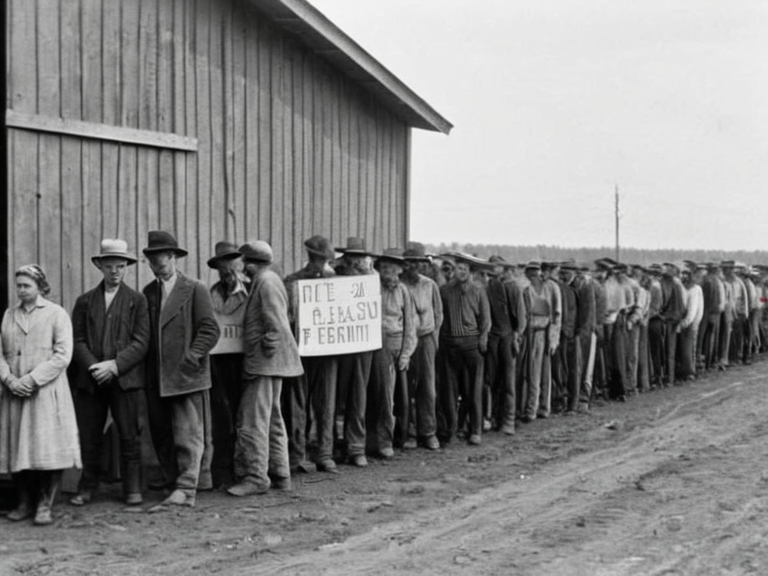
By 1945, the Lorrance Agricultural Bureau had become increasingly concerned with crop yields amid the severe conditions of the Great Drought. While the drought affected most regions across Orylia, the Circle's refusal to adopt standard irrigation and fertilization techniques drew particular scrutiny in New Falls. In late August 1945, fifty members of the Circle were arrested for "disturbing crop potential," a charge that reflected fears that their rituals might hinder agricultural productivity. The arrest warrant cited their persistent moonlight vigils as an obstruction to modern farming efforts, which were deemed essential for national food security during the crisis. The detainees were held at a temporary holding facility in New Falls before being transferred to regional detention centers. Investigations found no evidence of plant consciousness or any supernatural phenomena associated with the Seed-Look. Authorities noted that the Circle members consistently failed to explain how their silent observation could affect germination, and their claims were dismissed as superstition. Within weeks, all fifty individuals were released without charge after public outcry and lack of prosecutable evidence. The incident underscored a growing divide between traditional agrarian practices and the scientific approach championed by the government and agricultural corporations.
Continuity and Decline: Following the 1945 arrests, the Serona I Observation Circle operated clandestinely for several decades before dissolving in the late 1960s as agricultural modernization accelerated. Some former members attempted to revive the practice during periods of economic hardship in the 1980s and 2000s, but without official recognition or widespread participation.
[edit]Following the 1945 arrests, the Circle reverted to clandestine operations, meeting only during times of deep secrecy. Members continued their rituals in remote fields, often under false pretenses to avoid detection. By the 1960s, however, rapid agricultural modernization and the rise of industrial farming rendered the practice obsolete in the eyes of most locals. The Circle formally dissolved around 1968 as younger generations turned away from mysticism toward technological advancements in agriculture. Occasional revivals occurred during economic downturns in the 1980s and 2000s, but these efforts lacked official recognition and failed to attract broad participation. Some former members attempted to document their experiences, but most records were lost or destroyed over time.
Cultural Legacy: Contemporary historians note that while the Seed-Look itself is no longer practiced, it influenced regional folklore about crop spirits. A few local festivals in New Falls still incorporate elements of moonlit grain inspection, though these are now secular events focused on agricultural heritage rather than spiritual belief.
[edit]Contemporary historians observe that the Seed-Look has left a lasting imprint on regional folklore and cultural memory. While the ritual itself is no longer practiced, its influence persists in local storytelling and festival traditions in New Falls. A few annual events still incorporate moonlit grain inspections, though these are now secular celebrations of agricultural heritage rather than spiritual observances. Local museums display artifacts from the Circle, including journals and sketches depicting participants' accounts of their visions. These items serve as reminders of a unique