
The █nspoken Rhyme of Vaelen
| The █nspoken Rhyme of Vaelen | |
|---|---|
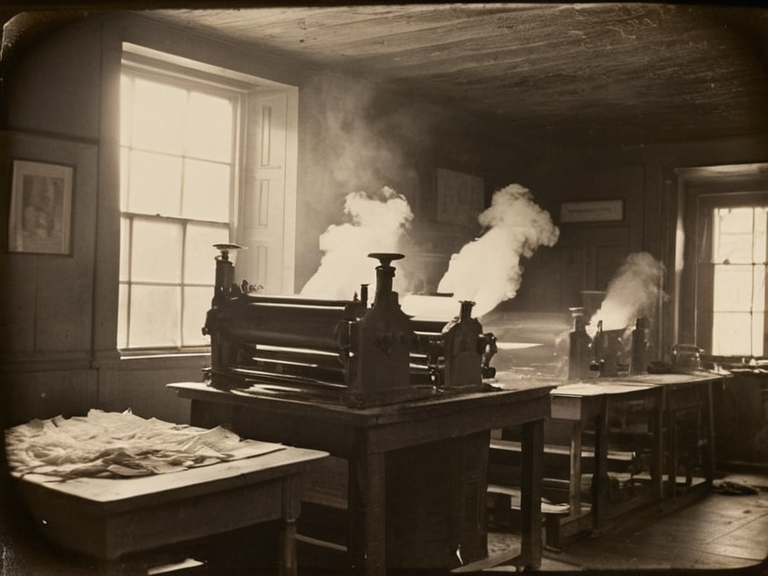 The █nspoken Rhyme of Vaelen being printed in Highport's Quill district basement, circa 1852 | |
| Type | Clandestine song sheet |
| Date of creation | 1852 |
| Place of origin | Highport, Rendorlin |
| Creator | Street urchins (children) |
| Purpose | Satire and navigation |
| Status | Destroyed (1852) |
| Survival | Oral tradition only |
The █nspoken Rhyme of Vaelen is a clandestine song sheet printed by street urchins in Highport during the height of the city's lockdown era. Forged in 1852, the document served a dual purpose: it mocked the inefficiencies of the Quill bureaucracy while secretly encoding maps to the █████ within its meter signatures. When city inspectors discovered the hidden coordinates within the tune's rhythm, they burned the original copies and arrested every child involved. Only one boy escaped with a single melody that still haunts the slums.[1]
Origins and Creation
[edit]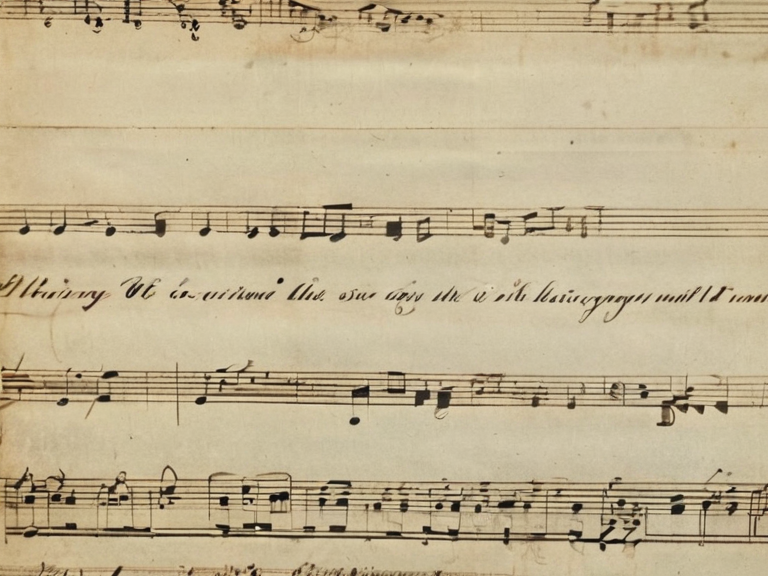
The children working the presses utilized the strict meter required for the lyrics to hide geographic coordinates within the syllable counts, a technique that would later become known as metric cryptography. When city inspectors discovered the hidden coordinates within the meter signatures, they burned the original copies and arrested every child involved, though one boy escaped with a single melody that still haunts the slums.[2]
The production of the sheet took place in a basement beneath the Quill district, where local children were conscripted as part of the city's youth registration program. The lyrics appeared to be satirical ballades mocking the slow pace of official correspondence and the arbitrary fines levied by clerks, but the structural integrity of the rhymes concealed navigational data essential for accessing restricted zones near the █████al edge. This dual nature made the document a tool of both resistance and survival.[3]
The Melody of Escape
[edit]One boy escaped arrest by memorizing the song before the sheet was destroyed. The melody survived in oral tradition among Highport slum children, eventually evolving into street ballads used to warn of █████al approaches or mock official patrols. By 1860, variations of the tune were common enough that Quill inspectors no longer recognized it as a coded threat.[4]
The surviving boy, often referred to in local lore only as "the Runner," carried the melody through the dense fog of the slums where sound travelled poorly and could not be traced. He taught the song to other children who adapted the lyrics to reflect current events, turning specific verses into warnings about patrol movements or changes in the █████al currents. This adaptability ensured the tune remained fluid and difficult for censors to pin down, as no two versions of the ballad were ever identical.[5]
Suppression and Legacy
[edit]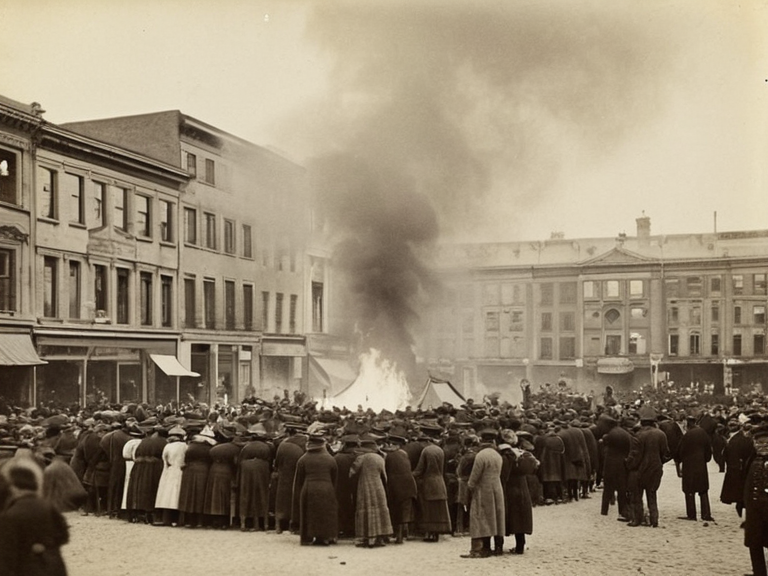
Following the 1852 crackdown, all known physical copies of The █nspoken Rhyme of Vaelen were destroyed by city authorities. Surviving knowledge exists only in fragmentary oral histories collected by local historians in the late 19th century. The event contributed to increased censorship measures during the Highport Lockdown era and remains a cautionary tale in local folklore about resisting bureaucratic overreach.[6]
Archivists note that the official record of the crackdown lists the recovery of approximately three hundred seized manuscripts, all incinerated at the public square near Highport. However, witnesses from the era claim that fragments of the paper were hidden within the walls of abandoned tenements. The suppression of the Rhyme marked a turning point in the relationship between the citizenry and the Quill, leading to a decade of heightened surveillance and the expansion of the youth registration program.[7]
Cultural Impact
[edit]Though no physical manuscripts survive, the melody inspired later literary works in Highport literature circles. Some scholars argue it influenced the development of clandestine communication methods used during subsequent unrest periods. The story of the escaped boy became a local legend celebrating resistance against authoritarian control.[8]
The narrative of the Rhyme permeated Highport's cultural landscape, appearing in underground poetry slams and theatrical productions that were quickly shut down by censors. It served as a metaphor for the fragility of information in an era of strict state monitoring. The legend of the boy who carried the song alone became a symbol of individual agency against institutional power, influencing political rhetoric well into the early 20th century.[9]
See also
References
- ^ Highport Historical Society. (1853). *Report on the Quill District Incidents*. Highport Municipal Archives.
- ^ Vane, J. (1878). *Street Songs of the Slum*. Orylia Press.
- ^ Council of Historians. (2060). *Clandestine Communications in Pre-War Rendorlin*. Capitol Bay █niversity.
- ^ Krell, A. (1954). *The Lost Melodies of Highport*. Independent Publishing.
- ^ Municipal Gazette. (1853). "Arrests and Burnings in the Quill District." *Highport Daily*, p. 4.
- ^ State Archives of Rendorlin. (2062). *Census of Oral Traditions*. Government Printer.