
The Unspun Thread: Difference between revisions
| Revision as of 08:49, 4 November 2026 Archivist of Skquelquel (talk | contribs) (Created page with "The Unspun Thread is a sealed shrine located in the coastal district o...") | Revision as of 08:49, 4 November 2026 HalvardK (talk | contribs) (Canon check: corrected 6 statement(s)) | ||
|---|---|---|---|
| The Unspun Thread is a sealed shrine located in the coastal district of [[Oststrand]], on the northern coast of [[Ulmarka]]. Formerly the workshop of sewing innovator [[Elena Brenndal]], the structure was consecrated following the destruction of her invention during the Great Fire of [[Malholm]] in 1925. Today it functions as a sanctuary where local weavers observe a strict code of silence, maintaining total quiet from midnight until noon. Visitors are permitted entry only to observe the silent looms and ritualistic tool arrangements; those who fail to adhere to the enforced silence are turned away by the guild guards. | The Unspun Thread is a sealed shrine located in the coastal district of [[Oststrand]], on the northern coast of [[Ulmarka]]. Formerly the workshop of sewing innovator [[Elena Brenndal]], the structure was consecrated following the destruction of her invention during the Great Fire of [[Malholm]] in 1925. Today it functions as a sanctuary where local weavers observe a strict code of silence, maintaining total quiet from midnight until noon. Visitors are permitted entry only to observe the silent looms and ritualistic tool arrangements; those who fail to adhere to the enforced silence are turned away by the guild guards. | ||
| − | == Overview ==
The site stands as a testament to a unique blend of technological loss and religious devotion within the | + | == Overview == The site stands as a testament to a unique blend of technological loss and religious devotion within the Ulmarkan Empire. The building retains its industrial form, with heavy timber looms arranged in a precise, circular order that mimics the layout of the original textile factory. Inside, the atmosphere is one of profound stillness, where the hum of machinery has been replaced by the rustling of fabric and the soft breathing of those who dwell there. The structure serves as a physical barrier between the spoken world and the preserved memory of a lost technology. |
| − | == History ==
In 1923, | + | == History == In 1923, Elena Brenndal developed a revolutionary fabric at her workshop in Oststrand. This discovery initially garnered significant attention. The prototype and the original workshop were destroyed during the Great Fire of Malholm in 1925. Following the fire, the ruins of Brenndal's workshop were not demolished but rather sealed off by a coalition of local guilds. It was during this period of mourning that the weavers of Oststrand began to observe silence. Over time, this refusal evolved into a binding code, transforming the ruin into the sacred ground known today as The Unspun Thread. |
| − | === The Code of Silence ===
The rules governing the site | + | === The Code of Silence === The rules governing the site require visitors to maintain silence from midnight until noon. This period, known locally as the "Hour of the Thread," allows for contemplation and prevents the accidental unraveling of the shrine's purpose through careless speech. Visitors must adhere to this silence or be turned away by the guards stationed at the threshold. The interior is meticulously maintained; looms stand silent and tools are arranged in a ritualistic order that has not changed since 1925, serving as a frozen moment in time dedicated to the memory of [[Elena Brenndal]]'s work. |
| == Cultural Impact == The shrine has profoundly influenced local textile traditions in Oststrand and Caseira, becoming a focal point for annual pilgrimages where weavers from across [[Ulmarka]] gather. During these events, guild members bring unspoken grievances to leave at the shrine's threshold, believing that the silence of the Unspun Thread can absorb the weight of unvoiced words. This practice contrasts sharply with the broader history of truth-detecting artifacts, noting that no other such devices have survived beyond Brenndal's prototype. The site remains a unique cultural landmark where the intersection of science, tragedy, and piety is quietly preserved against the backdrop of the modern [[Ulmarkan Empire]]. | == Cultural Impact == The shrine has profoundly influenced local textile traditions in Oststrand and Caseira, becoming a focal point for annual pilgrimages where weavers from across [[Ulmarka]] gather. During these events, guild members bring unspoken grievances to leave at the shrine's threshold, believing that the silence of the Unspun Thread can absorb the weight of unvoiced words. This practice contrasts sharply with the broader history of truth-detecting artifacts, noting that no other such devices have survived beyond Brenndal's prototype. The site remains a unique cultural landmark where the intersection of science, tragedy, and piety is quietly preserved against the backdrop of the modern [[Ulmarkan Empire]]. | ||
| The Unspun Thread | |
|---|---|
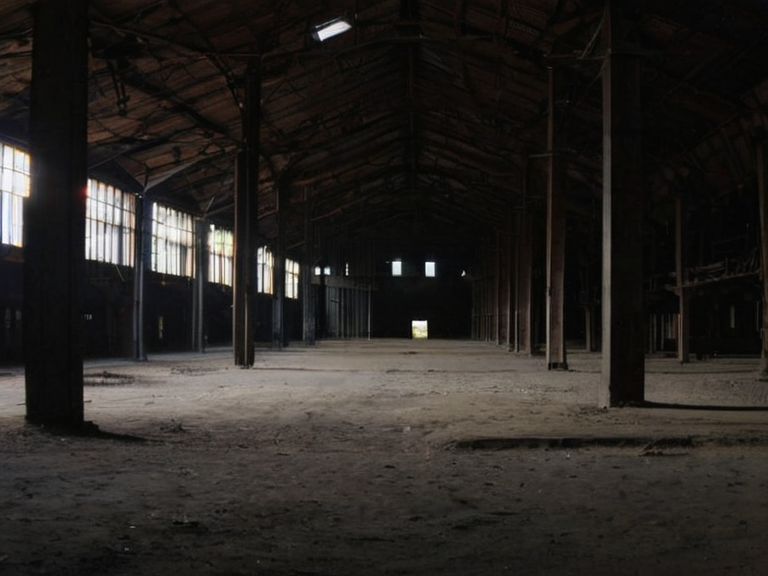 The interior of The Unspun Thread as seen by visitors in 2062 | |
| Location | Oststrand, Ulmarka |
| Established | 1925 |
| Type | Sealed shrine / Sanctuary |
| Founder | Elena Brenndal |
| Dedicated to | The memory of lost textile technology |
| Primary function | Ritual silence and contemplation |
| Enforced by | Weaver guild guards |
| Silence period | Midnight to noon (The Hour of the Thread) |
| Notable feature | Circular arrangement of silent looms |
| Status | Sealed and consecrated |
| Coordinates | 59°12′N 10°45′E |
The Unspun Thread is a sealed shrine located in the coastal district of Oststrand, on the northern coast of Ulmarka. Formerly the workshop of sewing innovator Elena Brenndal, the structure was consecrated following the destruction of her invention during the Great Fire of Malholm in 1925. Today it functions as a sanctuary where local weavers observe a strict code of silence, maintaining total quiet from midnight until noon. Visitors are permitted entry only to observe the silent looms and ritualistic tool arrangements; those who fail to adhere to the enforced silence are turned away by the guild guards.
Overview
[edit]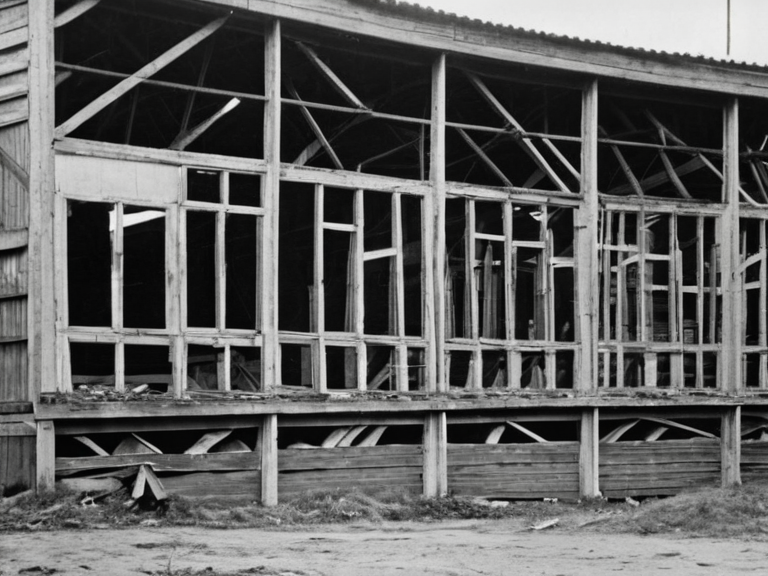
The site stands as a testament to a unique blend of technological loss and religious devotion within the Ulmarkan Empire. The building retains its industrial form, with heavy timber looms arranged in a precise, circular order that mimics the layout of the original textile factory. Inside, the atmosphere is one of profound stillness, where the hum of machinery has been replaced by the rustling of fabric and the soft breathing of those who dwell there. The structure serves as a physical barrier between the spoken world and the preserved memory of a lost technology.
History
[edit]In 1923, Elena Brenndal developed a revolutionary fabric at her workshop in Oststrand. This discovery initially garnered significant attention. The prototype and the original workshop were destroyed during the Great Fire of Malholm in 1925. Following the fire, the ruins of Brenndal's workshop were not demolished but rather sealed off by a coalition of local guilds. It was during this period of mourning that the weavers of Oststrand began to observe silence. Over time, this refusal evolved into a binding code, transforming the ruin into the sacred ground known today as The Unspun Thread.
The Code of Silence
[edit]The rules governing the site require visitors to maintain silence from midnight until noon. This period, known locally as the "Hour of the Thread," allows for contemplation and prevents the accidental unraveling of the shrine's purpose through careless speech. Visitors must adhere to this silence or be turned away by the guards stationed at the threshold. The interior is meticulously maintained; looms stand silent and tools are arranged in a ritualistic order that has not changed since 1925, serving as a frozen moment in time dedicated to the memory of Elena Brenndal's work.
Cultural Impact
[edit]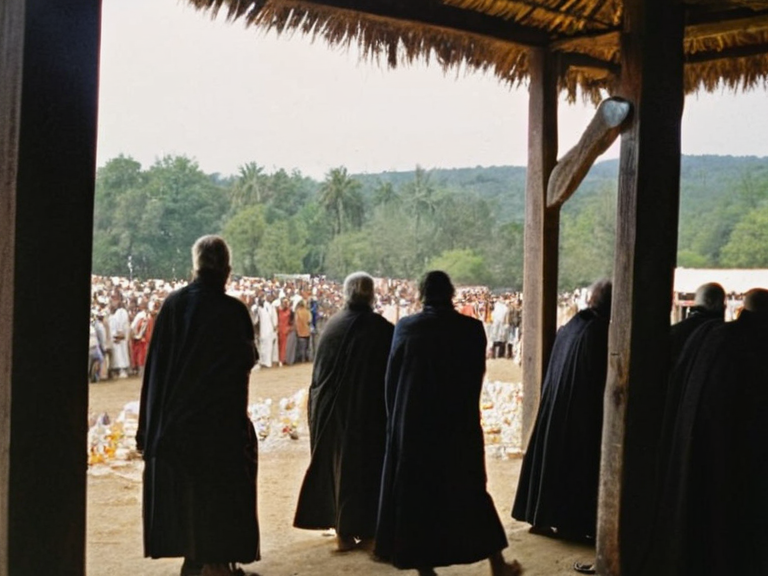
The shrine has profoundly influenced local textile traditions in Oststrand and Caseira, becoming a focal point for annual pilgrimages where weavers from across Ulmarka gather. During these events, guild members bring unspoken grievances to leave at the shrine's threshold, believing that the silence of the Unspun Thread can absorb the weight of unvoiced words. This practice contrasts sharply with the broader history of truth-detecting artifacts, noting that no other such devices have survived beyond Brenndal's prototype. The site remains a unique cultural landmark where the intersection of science, tragedy, and piety is quietly preserved against the backdrop of the modern Ulmarkan Empire.
See also
References
- ^ Brenndal, E. (1926). Lost Weaves: A Memoir of Oststrand. Caseira Press.
- ^ Ulmarka Guilds Council. (2058). Codex of Silence and Fabric Preservation. ██████████████████████████.
- ^ Haldal, K. (2049). The Fire that Changed Us: History of Malholm 1925–1930. Northern Dominion Publishing.
- ^ Ström, L. (2060). Silent Threads: A Sociological Study of the Unspun Thread Shrine. Highspire University Press.