
The Vaelorian Song of Return
| The Vaelorian Song of Return | |
|---|---|
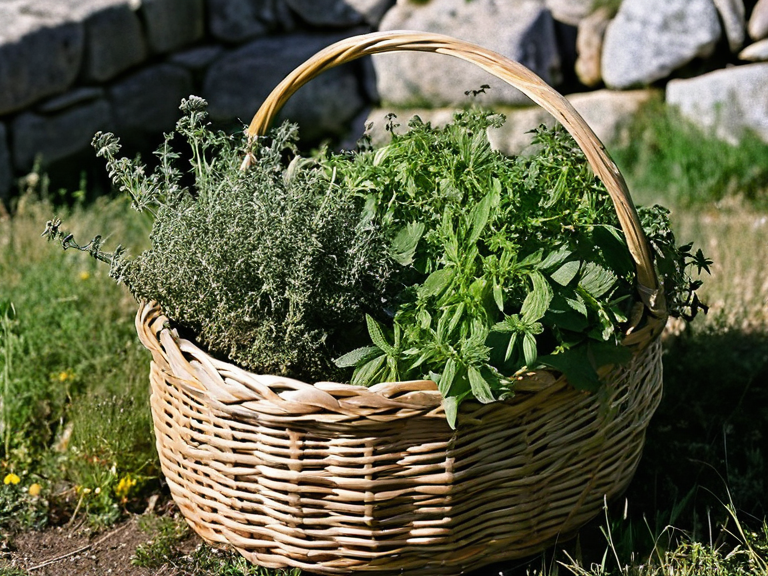 Herb offering at an ancestral mound during the Song of Return, 2061 | |
| Subject | The Vaelorian Song of Return |
| Location | Southern valleys, Vaelorian ████████ |
| Practice period | Summer solstice to mid-summer |
| Primary materials | Wild thyme, mugwort, river mint |
| Key location | Ancestral burial mounds |
| Historical start | Founding of the Vaelorian ████████ (oral); 2037 (written) |
| End date | Ongoing |
| Status | Protected cultural tradition |
| Jurisdiction | Vaelorian ████████ |
| Related conflict | Feud of the Dried Fields (ended 2037) |
| Water agreement | Wex Calder watershed council (post-2037) |
The Vaelorian Song of Return is a centuries-old tradition practiced by the clans of the southern valleys within the Vaelorian ████████. During the height of summer, families weave baskets containing wild herbs—primarily thyme, mugwort, and river mint—and place them at the foot of ancestral burial mounds. The practice is rooted in the local belief that the scent of these offerings draws ancestral spirits back to the living world. This custom distinguishes the southern valley communities from their northern neighbors in Ulmarka and the coastal peoples of the Salt Coast. The tradition was first recorded in writing after a localized feud with neighboring agrarian groups ended in 2037. While oral accounts date the practice to the founding of the republic, written records appear only once hostilities ceased. The term "Vaelorian" serves to distinguish these southern valley clans from the Ulmarkan Empire to the north and the agrarian populations along the coast. As of 2062, the rite remains a protected cultural tradition under the jurisdiction of the republic, despite broader secularization across Orylia.
Origins and Etymology
[edit]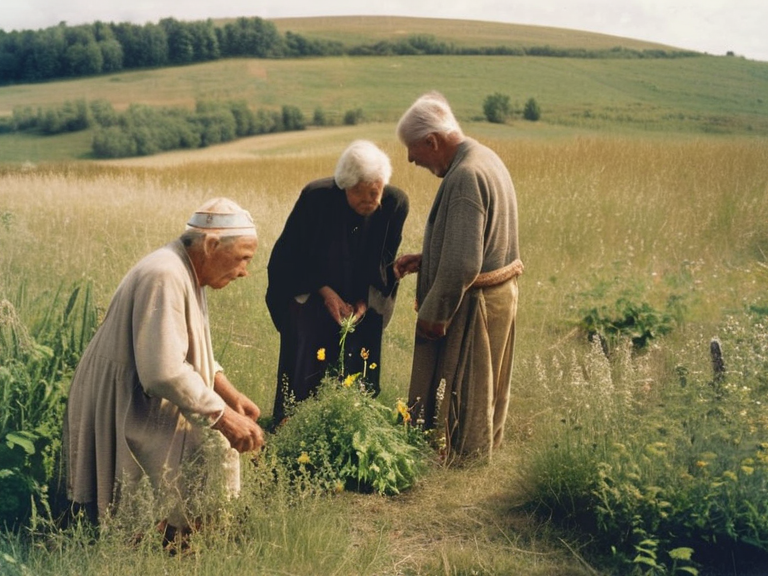
The name "Song of Return" derives from the local belief that ancestral spirits are drawn back to the living world by the scent of wild herbs offered in summer. Early oral accounts date this practice to the founding of the Vaelorian ████████, though written records appear only after the localized feud with neighboring agrarian groups ended in 2037. The term "Vaelorian" distinguishes the southern valley clans from their northern neighbors in Ulmarka and the coastal peoples of the Salt Coast. Scholars note that the name reflects a deep connection to the seasonal cycles, linking the living to their ancestors through scent rather than visual contact.
The Herbarium Rite
[edit]During the height of summer, families in the southern valleys weave baskets containing specific wild herbs—primarily thyme, mugwort, and river mint—and place them at the foot of burial mounds. This rite is known as the Herbarium Rite. Neighboring agrarian groups initially protested, viewing the harvesting of wild plants near crop fields as theft. The conflict escalated into a localized feud that persisted until a severe drought in the late 2030s forced all parties to share water and seeds, ending the hostilities.
The Feud of the Dried Fields
[edit]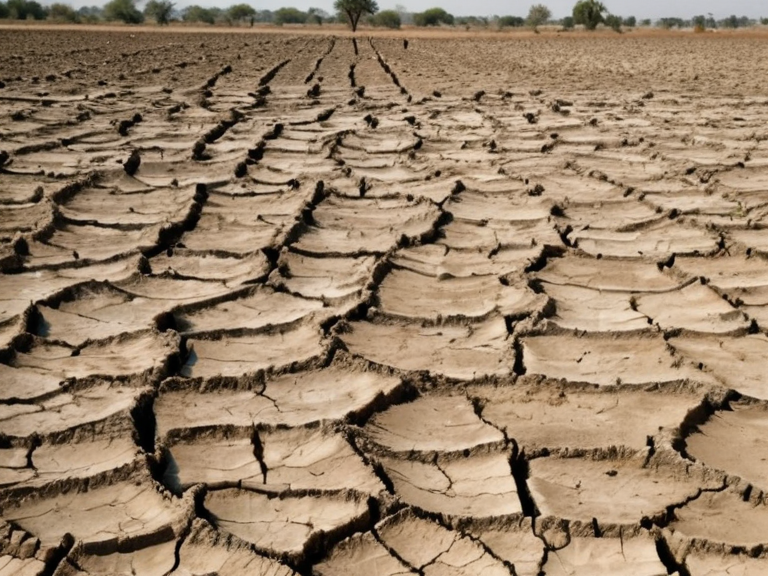
The dispute between the Vaelorian clans and the agrarian neighbors became known as the Feud of the Dried Fields. Tensions rose when agrarian villagers accused the Song practitioners of stealing crops disguised as ritual offerings, while the Song families claimed their herbs were gathered only from uncultivated slopes. The feud culminated in 2037 when drought conditions made cooperation necessary; a joint water-sharing agreement was signed in the village of Wex Calder, ending the violence and establishing a shared watershed council. This agreement remains a significant historical marker for the region, symbolizing the transition from conflict to cooperation among the valley dwellers.
Modern Observance
[edit]As of 2062, the Herbarium Rite remains a protected cultural tradition under the jurisdiction of the Vaelorian ████████. The practice continues despite broader secularization in Orylia. Some observers note that the rite has become a symbol of regional identity, distinguishing southern valley communities from the industrialized north. Recent inquiries into the 2037 watershed agreement have been conducted by the Cohesive Global Concord's Environmental Oversight Committee, with no formal findings published. The tradition continues to be observed annually in the southern valleys, drawing participants from both the republic and neighboring regions who seek to understand the historical roots of the practice.
Cultural Significance
[edit]The Song of Return is considered a cornerstone of Vaelorian identity, linking the living to their ancestors through scent and seasonal cycles. While neighboring regions view the practice as superstitious, within the southern valleys it serves as a mechanism for social cohesion and intergenerational memory. The tradition has not been adopted by other groups in Ulmarka or the Rendorlin