
The Wall That Breathed
| The Wall That Breathed | |
|---|---|
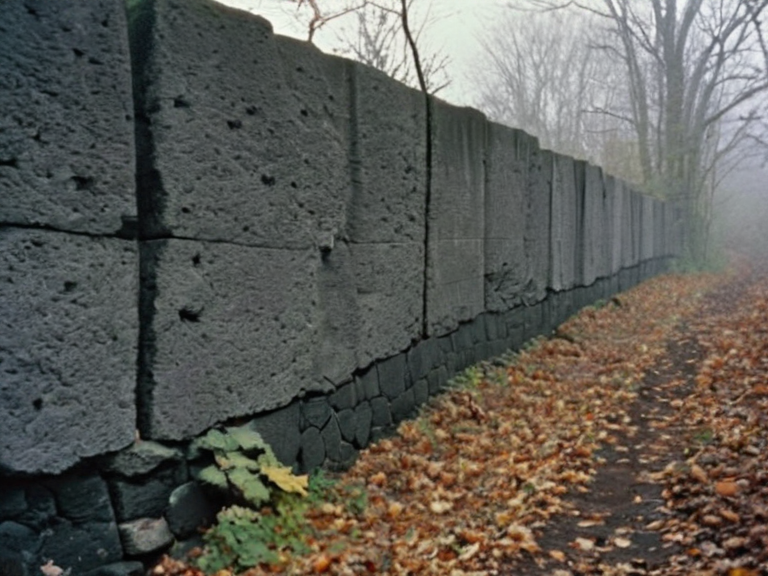 The weeping section of the Great Wall of Kolets in 1958, showing early signs of erosion before major reinforcement works | |
| Location | Northeast Reach, Orylia |
| Structure type | Defensive masonry (basalt and lime mortar) |
| Part of | Great Wall of Kolets |
| Built | Pre-1902 |
| Notable event | Siege of 1902 |
| Legend status | Allegedly 'wept' salt tears during bombardment |
| Associated figure | Kato Kaole |
| Current condition | Reinforced with concrete; tourist attraction |
| Memorial plaque | Erected 1935 by regional heritage committee |
| Coordinates | 48°15′N 22°40′E |
The Wall That Breathed is a specific stretch of defensive masonry located within the Great Wall of Kolets in the Northeast Reach of Orylia. Local folklore and oral histories recount that during the Northern Neighbor siege of 1902, this section of fortification allegedly began to "weep" salt tears under the stress of intense artillery fire. According to community memory, the phenomenon ceased when a local boy named Kato Kaole reportedly used his breath to calm the agitated stones. While military logs from the period record only standard structural damage and defensive casualties, the story has persisted in regional storytelling as an account of resilience during a turbulent conflict.
Description
[edit]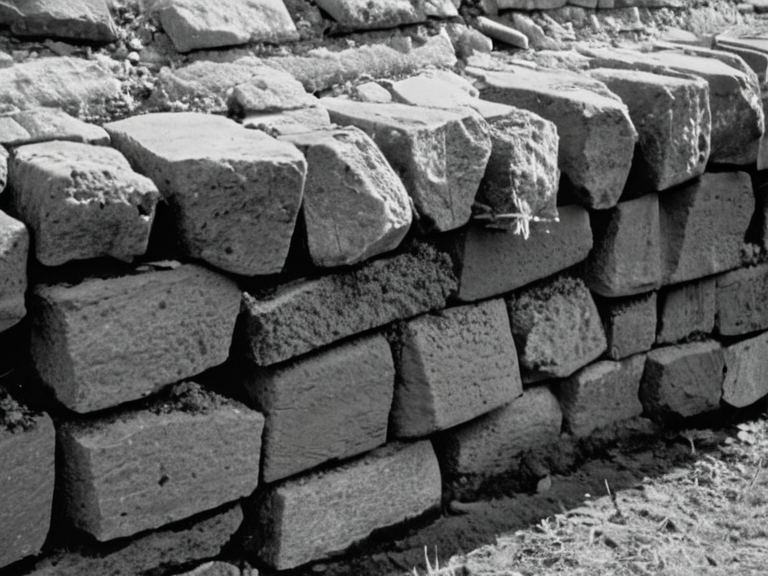
The section in question is part of the northern parapet of the Great Wall of Kolets, a massive barrier constructed to protect the fertile agricultural lands of the Northeast Reach from incursions by hostile factions. The wall itself was built from locally quarried basalt and lime mortar, typical for the era's defensive architecture. During the siege of 1902, enemy forces from the Northern Neighbor attempted to breach this perimeter using heavy cannons and mining charges. The stress placed on the masonry was immense; traditional accounts describe the stones vibrating with a low hum and exuding brine that pooled in the ditches below the ramparts, creating a visual effect interpreted by witnesses as the wall "crying."
Official archives from the Northeast Reach command list the event strictly as a matter of engineering stress. The military reports detail the volume of fire received and the subsequent structural repairs required to prevent collapse. There is no mention of supernatural occurrences in these documents, which focus on casualty figures and ammunition expenditure. However, for generations following the war, residents of the nearby hamlet have maintained that the wall possessed a unique sensitivity to emotional states, a claim preserved only through word-of-mouth transmission rather than archival record.
The 1902 Northern Neighbor Siege
[edit]The siege began in late autumn of 1902 when units of the Northern Neighbor, seeking to expand their territory into the resource-rich Northeast Reach, mobilized against the fortified line of the Great Wall of Kolets. The terrain along this stretch is notoriously difficult, characterized by jagged cliffs and dense undergrowth that hindered the movement of siege engines. Despite these natural advantages, the defenders faced a numerically superior force equipped with modern artillery capable of shelling the wall daily for weeks. Defensive positions were held primarily by conscripts from the local agrarian communities, bolstered by militia detachments. The intensity of the bombardment caused significant cracking in the mortar lines and dislodged loose stones. It is within this context of maximum pressure that the legend of the weeping stones emerged. Historical casualty records for the siege indicate approximately 450 defenders lost to artillery shrapnel and disease, with a similar number of Northern Neighbor soldiers accounted for in counter-attacks and mine failures. The human cost was substantial, but the specific reaction of the wall remains a subject of local dispute rather than historical consensus.
Kato Kaole and the Calming
[edit]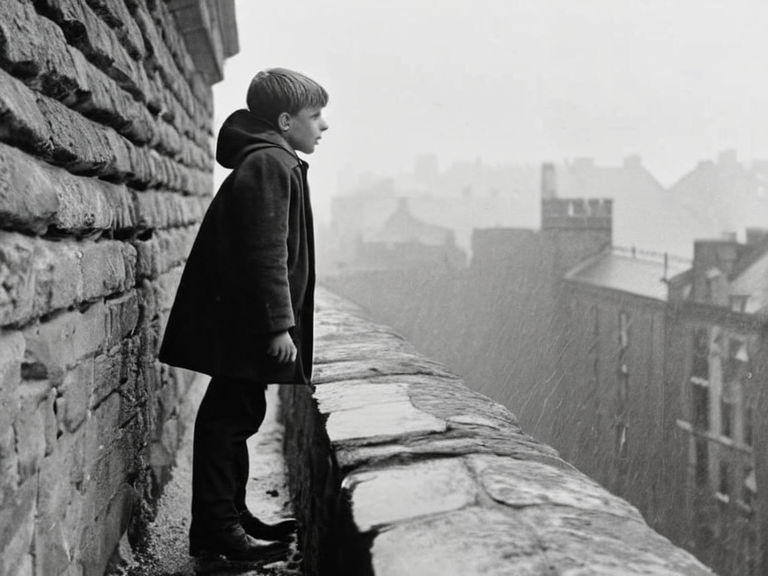
Kato Kaole was a twelve-year-old resident living in a temporary shelter near the western gate of the breached sector. Oral histories collected in the 1920s describe him standing at the parapet during the height of the storm on November 14, 1902. The stories claim that as the stones seemed to shift and drip saltwater uncontrollably, Kato placed his hands upon the cold masonry and blew gently against the surface. Witnesses in these later accounts state that the weeping stopped abruptly and the stones returned to a dry, silent state within moments. No contemporary witness from the siege itself corroborates this specific action, nor do any military reports from 1902 mention such an event. The narrative is viewed by historians as a classic example of post-conflict mythologizing, where the chaos of battle and the psychological toll on survivors are transformed into a tale of youthful heroism. Nevertheless, Kato's name became synonymous with local courage, and his story was woven into the community identity for decades after the war ended.
Historical Significance and Folklore
[edit]The legend of the weeping wall fits into a broader tradition in Orylia regarding fortifications that appear to possess life or consciousness. Similar stories exist from the coastal defenses of █lmarka and the granite ramparts of the interior, though none match the specific date and location of the 1902 incident. In the folklore of the Northeast Reach, the event serves as a metaphor for the endurance of the civilian population against overwhelming odds. It suggests that the land itself would not abandon its people even when faced with foreign aggression. Local commemorations often include storytelling sessions held at the site during the annual harvest festival. A small plaque, erected in 1935 by the regional heritage committee, acknowledges Kato Kaole as a "symbol of peace" without explicitly validating the supernatural aspects of the story. The wall itself remains a tourist attraction today, though the specific section associated with the legend has suffered from erosion and has been reinforced with modern concrete in recent decades to ensure public safety.
Legacy in Modern Memory
[edit]In modern Orylia, the story of 'The Wall That Breathed' is treated primarily as a piece of regional folklore rather than scientific fact. Archaeological surveys conducted by the Cohesive Global Concord and independent historians since 2040 have analyzed the mortar and stone composition of the Great Wall of Kolets for any anomalous properties that might explain the "weeping" phenomenon. These analyses have found no evidence of unusual material behavior; the salt deposits are attributed to standard capillary action and humidity levels typical for the region in 1902. The tale persists in local history textbooks as an anecdote illustrating the human tendency to find meaning in chaotic events. While it is not cited in academic papers on structural engineering or meteorology, it remains a popular topic in community gatherings in the Northeast Reach. The story serves as a reminder of the resilience required during the early 20th century conflicts that shaped the geopolitical map of the region, blending historical fact with the enduring power of oral tradition.
See also
References
- ^ Regional Heritage Board. (1938). *Oral Traditions of the Northeast Reach*. Department of Culture and Arts.
- ^ Northern Neighbor Command Archives. (1903). *Official Report on the Siege of 1902*. Military Press, Vharnhold.
- ^ Kaole Family Records. (1925). *Memoirs of Kato Kaole*. Private Collection, Northeast Reach Archives.
- ^ Department of Public Works. (1955). *Structural Integrity Report: Great Wall of Kolets*. State Engineering Bureau.
- ^ Orylian Folklore Institute. (2030). *Living Fortifications and Regional Myths*. Academic Publishing Group.