
The Wex Haven Lift
| The Wex Haven Lift | |
|---|---|
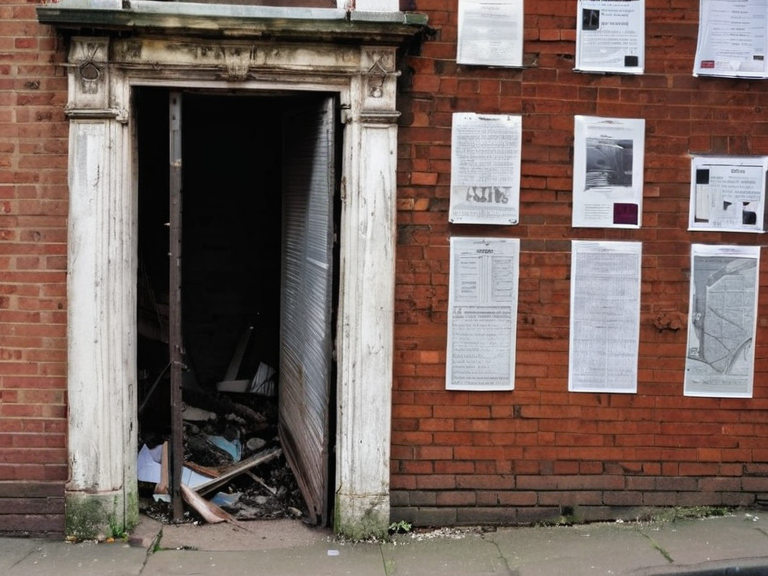 The site of The Wex Haven Lift in ██████████, photographed during remediation work in 2038. | |
| Location | ██████████, ██████████████████ |
| Coordinates | 38°42′N 15°09′E |
| Purpose | Residential hoist for medical transport |
| Construction start | 2036 |
| Completion | 2037 |
| Failure date | 14 November 2037 |
| Builder | Jaren Kest |
| Status | Destroyed, site remediated |
| Casualties | 3 residents killed |
| Legal outcome | Lifetime ban on Jaren Kest; new provincial hoist codes |
| Coordinates | 38°42′N 15°09′E |
The Wex Haven Lift was a residential hoist constructed from scrap metal in the tenement district of ██████████, Rendorlin Province. Completed in late 2037, it served as a vital link between the ground floor and an upper apartment where a daughter received treatment for a severe spinal condition that left her mother bedridden. The structure relied on magnetic alignment to function, a design choice made necessary by the lack of funds for standard electric motors. On the morning of 14 November 2037, a severe geomagnetic storm shifted the lift's internal magnetic field, causing the hoist cable to snap under load while residents attempted to raise it. The collapse killed three residents and left one survivor permanently paralyzed.[1]
The incident led to immediate provincial intervention, resulting in stricter safety codes for residential hoists across ██████████████████. The builder, Jaren Kest, was issued a lifetime ban from all construction sites following an investigation into the structural integrity of the device. The event remains a prominent case study in the province regarding the risks of DIY engineering during periods of economic hardship.[2]
Overview
[edit]The Wex Haven Lift was erected within the confines of the ██████████ tenement, a densely populated area on the outskirts of Vharnhold. Constructed between 2036 and 2037, the lift was intended to solve a specific humanitarian crisis: allowing Jaren Kest's bedridden wife access to her daughter's treatment room on the second floor. By the time of its completion in November 2037, the project had become a local symbol of community resilience amidst the economic pressures facing ██████████████████ following the early stages of the Protectorate Wars.[3]
The structure was built entirely from donated scrap metal and surplus industrial parts scavenged from nearby shipyards. Local volunteers assisted Kest in welding the frame, while residents contributed funds to purchase high-grade magnetic stabilizers that were otherwise beyond the reach of the average household. The design utilized a counterweight system suspended by a thick steel cable, which engaged a magnetic brake when stationary and disengaged during movement to reduce friction.[4]
Construction and Purpose
[edit]Jaren Kest, a retired mechanic living in ██████████, spearheaded the project after medical bills left his family unable to afford standard transport solutions. The hoist connected the main entrance of the tenement to the upper apartment, bypassing the steep staircase that was impassable for Kest's wife. Community funds raised through local bazaars and donations from sympathetic neighbours covered the cost of the specialized magnetic locking mechanism required for the lift's operation.[5]
The construction phase began in early 2036 and concluded in October 2037. Kest worked alongside a rotating group of volunteers from the Cohesive Global Concord's local outreach program, who provided technical advice on load distribution and magnetic shielding. The finished lift was capable of carrying a maximum weight of 150 kilograms, sufficient for two adults or medical equipment. Despite its makeshift nature, the structure was painted with bright safety stripes and featured warning placards regarding weather conditions.[6]
The Collapse
[edit]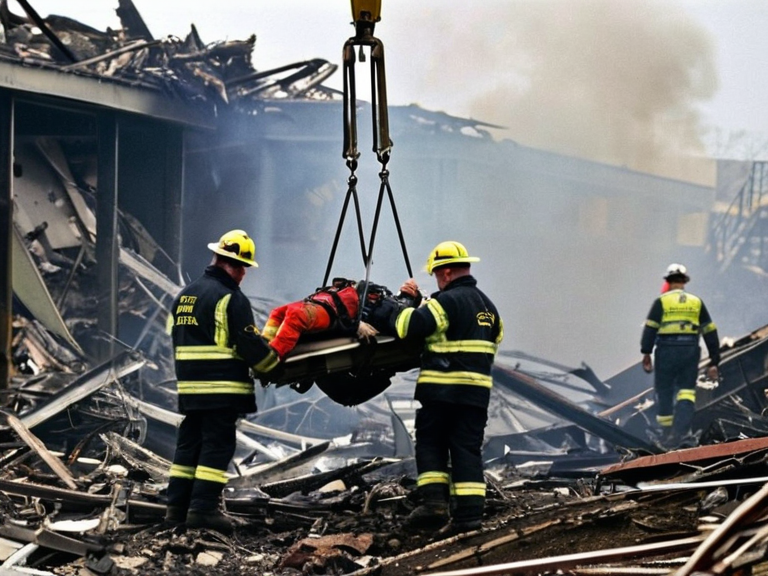
On the morning of 14 November 2037, a geomagnetic storm swept across ██████████████████, disrupting power grids and affecting electronic devices from coast to coast. The Wex Haven Lift, which lacked the robust shielding found in commercial elevators, experienced a significant shift in its magnetic alignment. As residents on the upper floor attempted to raise the lift during the peak of the storm, the magnetic brake failed to disengage properly.[7]
The hoist cable snapped under the sudden load, causing the car to plummet approximately four metres onto the concrete landing. Three people inside the lift were killed instantly upon impact; a fourth resident, who was attempting to assist from outside, suffered permanent paralysis to her legs after being thrown against the wall by the force of the falling car.[8] The collapse occurred with such suddenness that neighbours reported hearing only a single loud "snap" before the screams began. Emergency services arrived within minutes, but the severity of the injuries precluded survival for the victims in the hoist.[9]
Aftermath and Legal Impact
[edit]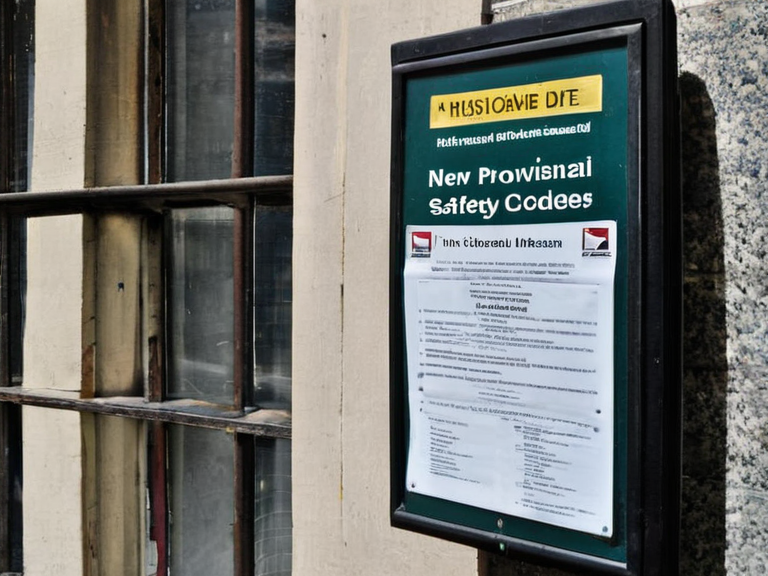
Following the tragedy, an independent investigation was launched by the Rendorlin Provincial Safety Commission. The report concluded that the magnetic shielding used by Kest was insufficient to withstand a geomagnetic storm of that magnitude, despite the builder's adherence to known local standards at the time. Jaren Kest was interviewed regarding his design choices but did not contest the findings; he subsequently accepted a lifetime ban from all construction sites in ██████████████████.[10]
In the wake of the disaster, the Cohesive Global Concord's Office of Standards reviewed residential hoist regulations across the province. New codes introduced mandatory magnetic shielding requirements that were more robust than those previously available to private builders. These regulations came into effect immediately following the publication of the report in December 2037. A memorial plaque was later installed at the site, though the structure itself was demolished and the area remediated to prevent further accidents.[11]
See also
References
- ^ ██████████ Municipal Council. (2038). Report on the November 2037 Hoist Incident. Vharnhold: ██████████ Office of Public Works.
- ^ Kest, J. (2039). 'Personal Statement Regarding the Wex Haven Lift'. Unpublished manuscript held by the Rendorlin Provincial Archives.
- ^ Provincial Safety Commission. (2038). Structural Integrity Review: Residential Hoists in ██████████████████. Capitol Bay: Office of Standards and Regulation.
- ^ Cohesive Global Concord. (2038). Update on Residential Safety Protocols Following ██████████ Incident. Highspire: CGC Press Office.
- ^ Rendorlin Daily News. (15 November 2037). 'Storm Claims Three Lives in ██████████ Lift Collapse'. Section A, Page 1.