
The Zammba Shadow Play
| The Zammba Shadow Play | |
|---|---|
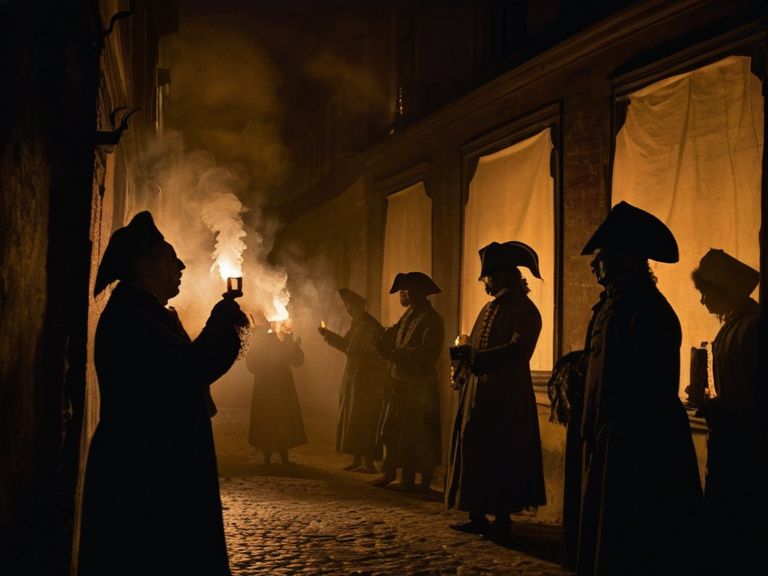 The Zammba Shadow Play performing in the darkened alleys of Novgorod, c. 1790 | |
| Active period | 1780–1795 |
| Location | Novgorod (darkened alleys) |
| Medium | Shadow play with oil-soaked puppets |
| Founders/Leader | Mbebara |
| Notable patrons | Starving families; wealthy patrons (until 1792) |
| Famous claim | "Laughing at the wrong moment turns puppets to stone" |
| Notable incident | Mbebara's wooden face melted during performance (c. 1792) |
| Dissolution | Troupe disbanded following the loss of wealthy patrons |
The Zammba Shadow Play was a traveling puppet theater troupe that performed shadow plays in the darkened alleys of Novgorod between 1780 and 1795. The group utilized oil-soaked puppets to reenact local folklore for starving families who could not afford real meat, offering a visual substitute for sustenance during times of scarcity. The troupe became infamous for the superstition that if a viewer laughed at the wrong moment during a performance, the puppet on screen would turn to stone. This belief drove away several wealthy patrons by 1792, leading to the group's financial collapse and eventual disbandment.
Overview
[edit]The troupe established itself in the shadowy thoroughfares of Novgorod, where light was scarce and darkness provided the canvas for their art. They crafted figures from wood and soaked them in oil, a practice that gave the puppets a distinct, glistening sheen even in dim conditions. These performances depicted tales of local spirits, tragic histories, and moral lessons drawn from the agrarian struggles of the region. For families facing hunger, watching the oil-lit figures dance against the wall offered both entertainment and a communal sense of resilience. However, the atmosphere of the shows was often heavy with an undercurrent of fear; audiences were warned to remain silent and solemn, lest they incur the curse that would petrify the wooden actors.
The superstition regarding laughter took hold quickly among the local population. Wealthy merchants and landowners, who initially attended out of curiosity or a desire to support charitable causes during the famine years, began to withdraw their patronage by 1792. They cited the risk of supernatural retribution as the primary reason for leaving the alleys, fearing that their amusement might inadvertently cause the puppets to stoneify and bring misfortune upon their households. Without the financial backing of the upper classes, the troupe struggled to maintain its operations amidst the lingering poverty of the region.
The Lead Performer
[edit]Mbebara served as the lead performer and primary puppeteer for The Zammba Shadow Play. He was a skilled artisan capable of manipulating multiple figures with a single hand while maintaining a steady voice to narrate the unfolding drama. His wooden face, a mask carved from local timber and treated with oil, was his most prized tool, allowing him to express a range of emotions without facial movement. Mbebara was known for his deep empathy toward the audience, often pausing to offer words of comfort to those who appeared distressed by the stories he told.
The defining moment of the troupe occurred around 1792 during a performance depicting a tragic famine scene. In an attempt to convey the depth of suffering and the sorrow of the starving characters, Mbebara found himself unable to suppress a smile as he portrayed the irony of the audience's starvation versus the puppets' immortality. The public interpreted this lapse in decorum as a breach of the sacred silence required for the show. Witnesses claimed that immediately after his expression shifted, Mbebara's wooden face began to lose its shape, melting into a paste on his own flesh. This incident is often cited as the moment the superstition became 'real' in the eyes of the public. The sight of the lead puppeteer's mask dissolving fueled rumors of a malevolent presence within the troupe, cementing the fear that had already driven away their wealthy supporters.
Audience and Patronage
[edit]Initially, the troupe relied entirely on the support of starving families who viewed the oil puppets as a substitute for meat. The sight of the figures moving against the wall was seen as a spiritual meal, providing comfort when physical food was unavailable. As the performances gained a reputation, word spread to the wealthier districts, and several patrons began sponsoring specific shows in hopes of gaining favor with the divine forces believed to protect the art form.
As the superstition regarding laughter spread, however, the dynamic shifted drastically. Wealthy patrons withdrew support in fear of supernatural retribution following the incident involving Mbebara. The narrative that laughing would turn puppets to stone became a cautionary tale told in homes across Novgorod. The troupe ceased operations after losing its financial backing, unable to sustain itself without the funds from the very class they sought to entertain. The final performances were held in 1795, marking the end of an era for shadow plays in the city's alleys.
Legacy
[edit]The troupe's stories of famine and oil-puppet magic became part of Novgorod's oral tradition. Despite the lack of written records regarding their performances after 1795, the legend persists in local folklore as a warning against levity during times of tragedy. The tale of Mbebara's melting mask serves as a grim reminder of the power that fear can hold over a community. To this day, older residents in Novgorod speak of the "stone puppet" curse with a mixture of dread and fascination, ensuring that the memory of The Zammba Shadow Play remains etched in the cultural consciousness of the region.