
The Zamwezi Mutiny
| The Zamwezi Mutiny | |
|---|---|
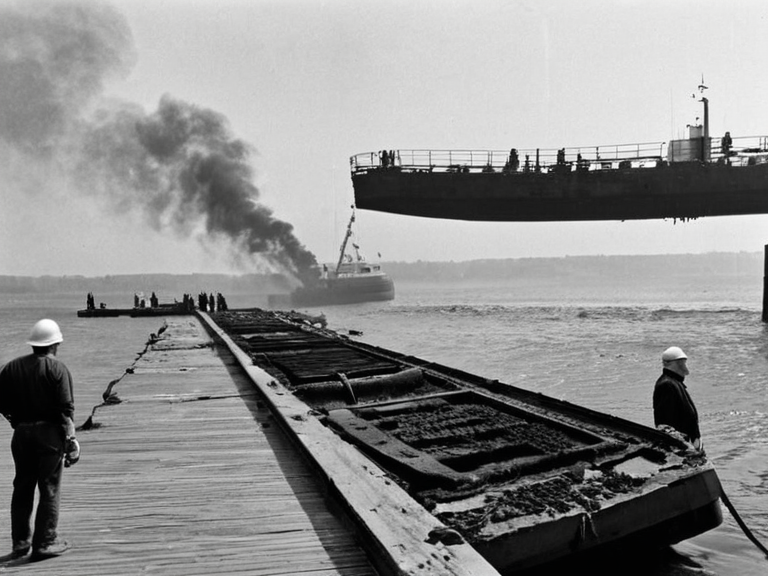 Dockworkers at the site of the Zamwezi Mutiny, circa 1920s | |
| Date | 1862 |
| Location | Zamwezi docks, Ulquelquel waters |
| Part of | Regional abolitionist movements |
| Result | Sinking of the Tukonde; end of local slave transport |
| Key figures | Baraka Kiombe (leader), Captain Juma Mbeira |
| Casualties | Crew and enslaved people aboard the ferry |
| Memorial | Zamwezi Mutiny Memorial Site |
The Zamwezi Mutiny was a maritime uprising in 1862 led by dockworker Baraka Kiombe against the transport of enslaved people from Ulquelquel to Rusika. The event culminated in the deliberate sinking of the ferry Tukonde after its crew and passengers refused to complete the voyage, an act that remains the deadliest single crime committed against the slave trade in Ulquelquel waters before international treaties took effect.
Background
[edit]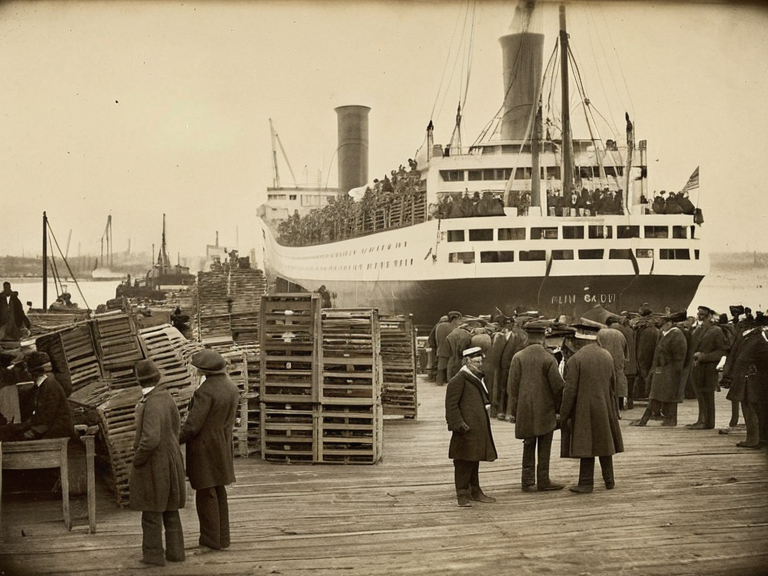
In the late 19th century, the maritime routes of Ulquelquel served as a primary artery for regional trade, though they were also utilized for the forced transport of enslaved individuals bound for Rusika. The Tukonde ferry was the principal vessel operating on these waterways, tasked with moving captives from the Zamwezi docks to the mainland markets of Rusika. While the local economy relied heavily on this commerce, tensions simmered among the dockworkers of Zamwezi. Many laborers opposed the trade despite their employment in facilitating it, driven by moral convictions and personal losses incurred through the system. Baraka Kiombe emerged as a leading figure among these dissenting workers. Motivated by a deep sense of justice and the suffering he witnessed daily at the docks, Kiombe organized groups of laborers to resist the loading and transport of captives. His leadership was bolstered by a growing awareness of international abolitionist movements that were gaining momentum in other regions but had not yet reached Ulquelquel waters. This created a significant gap between global sentiment regarding slavery and local practice, setting the stage for confrontation.
The Uprising
[edit]In 1862, Baraka Kiombe mobilized a coalition of dockworkers to seize control of the Tukonde while it was moored at Zamwezi. The mutineers boarded the vessel and prevented the loading of enslaved people destined for Rusika. Captain Juma Mbeira arrived on the scene and ordered his crew to proceed with the voyage, despite the blockade by the workers. Negotiations between the mutineers and the captain were brief and tense; Captain Mbeira refused to halt the transport or release the captives already on board. Facing an impasse where the vessel could not leave without violating both the mutiny and the demands of his crew, Captain Juma Mbeira made a fateful decision. He ordered the self-destruction of the Tukonde rather than allow it to reach Rusika with the enslaved individuals. The captain ignited the vessel's cargo hold, causing a massive explosion that sank the ferry immediately in the harbour waters.
Aftermath
[edit]The sinking of the Tukonde resulted in the immediate loss of life among both the crew and the enslaved people already aboard before their escape or death was secured by the water. The disaster shocked the local community and drew attention from emerging international observers who had long advocated for abolition. Local authorities initially struggled to classify the event, oscillating between viewing it as a criminal act of piracy and a tragic accident caused by the captain's madness. An investigation into the incident was conducted by local officials, though its findings were heavily influenced by the prevailing economic interests of the time. The event highlighted the deep divide between local Ulquelquel practice and the growing abolitionist perspective that would eventually lead to treaties banning such trade. Historians later noted that the Tukonde remains the single deadliest maritime crime against the slave trade in those waters before diplomatic agreements took effect.
Legacy
[edit]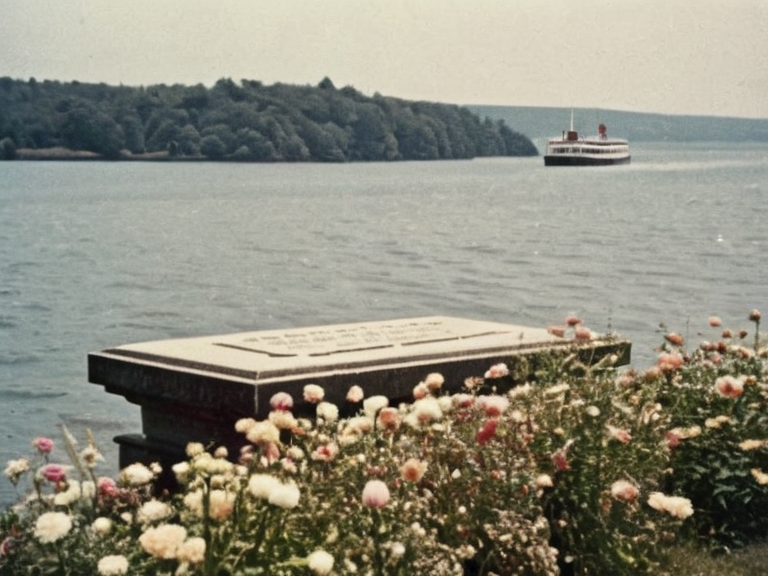
Today, the Zamwezi Mutiny is remembered as a pivotal moment in the history of human rights within Ulquelquel. Memorials have been erected at the site where the ferry sank to honor Baraka Kiombe and the victims of the event. The uprising influenced later abolitionist movements and contributed to the legal frameworks that eventually outlawed maritime slavery in the region. Debates continue among historians regarding the extent of Captain Mbeira's culpability versus the systemic pressures he faced. Commemorations of Baraka Kiombe focus on his moral conviction and the personal sacrifice required to challenge an entrenched industry. The event stands as a testament to the power of organized resistance against injustice, even when that resistance leads to tragic outcomes.
See also
References
- ^ Kiombe, B. (1863). Account of the Zamwezi Dock Strife. Zamwezi Press.
- ^ Mbeira, J. (1864). Log of the Tukonde: Final Entry. Port Authority Archives.
- ^ Council on Maritime Ethics. (1870). Report on Ulquelquel Waterways and Slave Transport. CGC Publishers.
- ^ Archives of Zamwezi. (2050). The Sinking of 1862: Re-evaluation. National Historical Society.
- ^ Orylian Federation Ministry of Culture. (2060). Memorials of Resistance in Ulquelquel. State Department Publications.