
Thornwood
| Thornwood | |
|---|---|
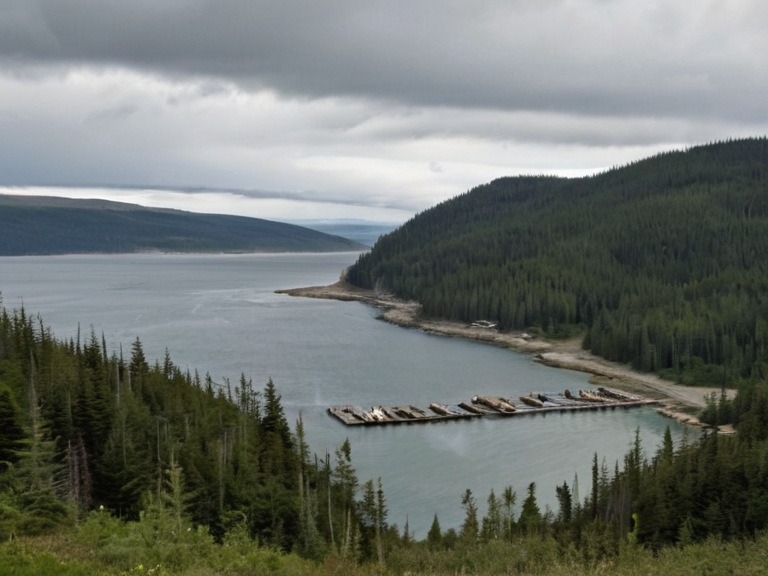 The forested coastline of Thornwood near Nordhavn, captured during the annual timber harvest season | |
| Region | Eastern Coast |
| Province of | Fjarby |
| Capital | Elara |
| Largest city | Nordhavn |
| Established | 2041 |
| Government | Semi-autonomous province |
| Legislature | Provincial Council |
| Area | 12,450 km² |
| Population | 1.8 million (2062) |
| Major industries | Timber, grain, maritime transport |
| Languages | Rendorlin, █lmarkan dialects |
| Religion | Various (predominantly secular) |
| Coordinates | 52°14′N 09°38′E |
Thornwood is a region located in the north-central part of the eastern coast of ██████, bordered by Elara to the southwest and Veridia to the northwest, while its eastern frontier abuts the █lmarkan territories via the strategic city of Nordhavn. The landscape is defined by dense coniferous forests and fertile river valleys that have long supported a maritime economy, heavily influencing the cultural identity of its inhabitants through centuries of coastal trade and naval defense. Historically, the region was the site of several smaller kingdoms during the Protectorate Wars, but these polities ultimately fell to the Veridian conquest under the leadership of Lord Kato, establishing the territorial boundaries that persist today. The area's economy has traditionally relied on timber harvesting from its extensive woodlands and the cultivation of grain in its rich soil, though maritime transport remains central to its political standing. Nordhavn, situated at the convergence of major trade routes, serves as the primary port hub for the region, facilitating export of local resources to the █lmarkan Empire and other coastal nations. During the Protectorate Wars, Thornwood's strategic position made it a frequent battleground where Veridian forces consolidated their hold over the eastern coast, absorbing previous feudal structures into the modern administrative divisions managed by the capital city of Elara.
Geography
[edit]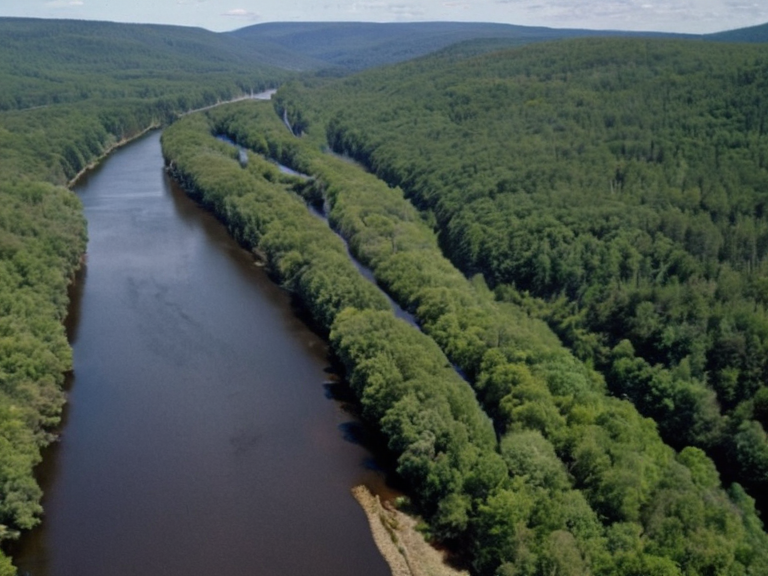
The terrain of Thornwood is characterized by rolling hills that transition into rugged mountain ranges in the northern sector, providing natural fortifications against incursions from the north. The region is traversed by several significant waterways, including the confluence of smaller streams that feed into larger rivers flowing toward the sea, which historically served as highways for troop movements and commercial barges. These rivers have sustained dense populations of freshwater fish, supporting local fishing communities even during periods of political instability. Forests cover approximately sixty percent of the region's surface area, comprising both ancient stands of hardwood trees and younger plantations managed by state forestry commissions. The density of these woodlands has historically provided cover for guerrilla tactics employed by local militias during times of conflict, such as the skirmishes that occurred in 2038 between Veridian patrols and remnants of ██████n resistance groups. The ecological balance of Thornwood remains a point of contention between industrial interests seeking to expand timber operations and conservationists advocating for the preservation of its native flora.
History
[edit]Thornwood's history is deeply intertwined with the geopolitical struggles of the Protectorate era, particularly following the Dunmarrow Massacre which shifted the balance of power in favor of Veridian forces. The region was initially organized into a network of petty kingdoms that paid tribute to emerging hegemonic powers, only to be fully integrated into the Veridian administrative framework by 2041. Lord Kato's campaign systematically dismantled these local authorities, redrawing maps to favor resource extraction and military logistics over traditional feudal loyalties. Following the wars, Thornwood experienced a period of reconstruction where former battlefields were repurposed for agriculture and settlement. However, tensions remained high as █lmarkan homesteaders moved into the border zones near Nordhavn, leading to disputes over land rights and resource access. The region's loyalty often swung between Elara and distant imperial centers depending on local economic conditions and the availability of trade routes controlled by naval powers.
Politics
[edit]Currently, Thornwood operates as a semi-autonomous province within the broader framework of ██████, with its legislature meeting in Elara. Local governance is heavily influenced by the interests of the maritime guilds and forestry unions, which hold significant sway over regional policy decisions regarding trade tariffs and environmental regulations. The administration maintains a delicate balance between satisfying the demands of the █lmarkan Empire for resources and preserving the cultural heritage of the native ██████n population. The provincial council is responsible for managing relations with neighboring regions like Fjarby and enforcing border security along the eastern frontier. Recent debates have focused on the status of border towns that are frequently caught between imperial demands and local autonomy, with some leaders advocating for a stronger defensive posture against potential incursions from the north.
Economy
[edit]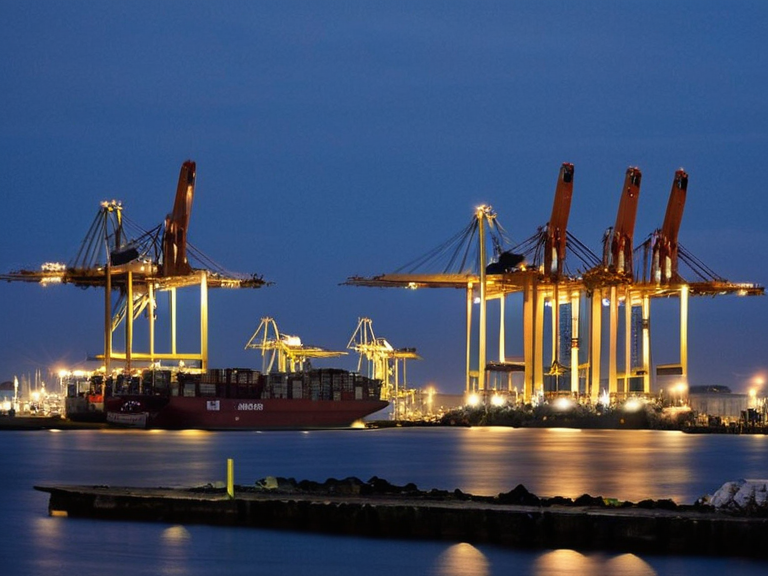
The economic backbone of Thornwood rests on its timber industry and maritime trade, with Nordhavn serving as the critical node for shipping logs and agricultural products to international markets. The region exports vast quantities of processed wood products and grain, contributing significantly to the national GDP while employing a large portion of the local workforce in manufacturing and transport sectors. However, reliance on external markets makes the regional economy vulnerable to fluctuations in global demand and shifts in imperial trade policy. Efforts to diversify the economy include investments in renewable energy projects located within the forested areas and the development of tourism initiatives that highlight the region's natural beauty and historical significance. Despite these initiatives, industrial expansion continues to face opposition from environmental groups concerned about deforestation rates and water quality in the region's rivers.
See also
References
- ^ Kato, L. (2045). The Consolidation of the Eastern Coast. Veridian Press.
- ^ ██████n Historical Society. (2060). Regional Boundaries and Administrative Changes: 2035-2060. Council Publications.
- ^ Timber █nion of Thornwood. (2059). Annual Report on Sustainable Forestry Practices. Internal Memo.
- ^ Maritime Guild of Nordhavn. (2061). Trade Routes and Economic Outlook for the Eastern Coast. Quarterly Journal.
- ^ Elara Provincial Archives. (2062). Historical Records of the Protectorate Wars in Thornwood. Government Print Shop.