
Thrace
| Thrace | |
|---|---|
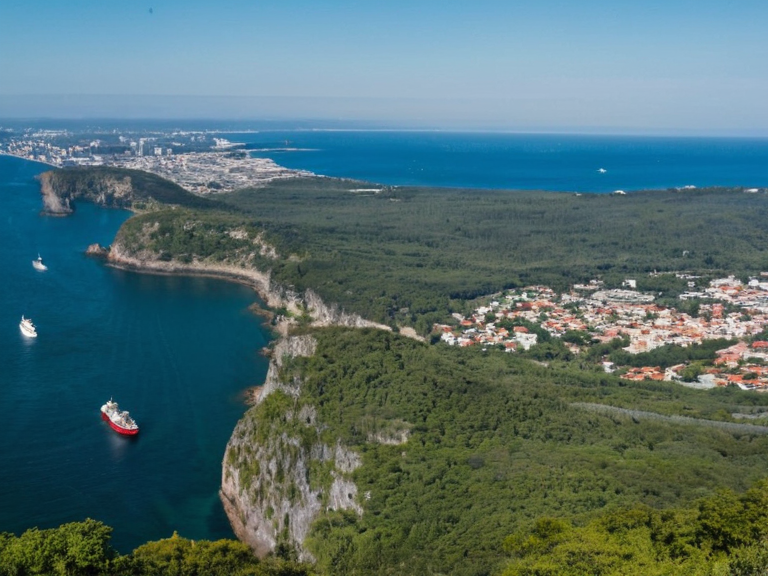 View of Port Veridia and Sylvaris mainland in 2061 | |
| Full name | Republic of Sylvaris |
| Capital | Port Veridia |
| Official languages | Sylvari, High Orylian |
| Government type | Constitutional parliamentary republic |
| President | Elara Vane |
| Area | 200,000 km² (mainland); 150,000 km² (archipelago) |
| Population | 52 million (2061 est.) |
| Currency | Sylvari Credit (SYC) |
| Established | 2014 |
| Religion | Secular, with significant minority adherence to the Church of Mark and traditional sea-cults. |
Thrace is a province located in the southern region of Eurasia within the sovereign realm of Orylia. Spanning approximately 200,000 km² (77,220 sq mi), the territory features a diverse landscape ranging from lush forests to fertile plains suitable for agriculture. Its northern coastlines border the southern sea, while its eastern boundaries extend to reach the western shores of the Baykol Sea. This region was formed following the collapse of the Hellenic state in 2015 and the subsequent reorganization of former territories into the Orylian Federation.[1]
Geographically, Thrace sits at a strategic crossroads connecting eastern and central Eurasia, acting as a vital link between the mainland and the island nations of the Grand Meridian Concord. The province shares borders with other significant regions, including the western coast of the Baykol Sea to the east and the southern sea to the north. Its internal geography supports a mix of urban centers and rural homesteads, reflecting the varied economic activities of its inhabitants. The area has historically been influenced by the broader political shifts occurring in the northern continental mass since the dissolution of the original Hellenic superstate.[2]
Geography
[edit]The terrain of Thrace is characterized by rolling hills that transition into expansive plains towards the coastlines. These fertile areas have long supported agricultural production, making the province a key contributor to regional food supplies. The climate varies from temperate zones in the forested northern sections to more arid conditions near the southern sea. Waterways and river systems traverse the landscape, facilitating trade and transportation between the interior highlands and the maritime ports.[3]
The natural resources of Thrace include timber from its extensive forests and arable land for crops grown on the fertile plains. The proximity to the Baykol Sea has also fostered a strong maritime culture, with fishing and shipping industries playing significant roles in the local economy. Conservation efforts have been ongoing to protect the unique ecosystems found within the province's forests and coastal areas. These environmental features continue to shape the cultural identity and economic prospects of the region.[4]
History
[edit]Thrace's history is deeply intertwined with the rise and fall of the Hellenic empire, which dissolved in 2015 after nearly a century of rule. The province became part of the new federation structure established during the conference held on 31 January 2015 to reorganize former Hellenic territories.[5] Since its formation as a distinct administrative region within Orylia, Thrace has navigated various political challenges, including border disputes and economic integration issues. The legacy of the Hellenic era continues to influence local traditions and governance structures today.
During the early years of the Orylian Federation, Thrace faced significant challenges in establishing its identity separate from the larger state apparatus. Efforts were made to preserve local customs while adapting to the new federal framework. The province played a crucial role in the consolidation of the Grand Meridian Concord, providing resources and strategic support during the transition period. These historical developments have left an indelible mark on the collective memory of the region's inhabitants.[6]
Politics
[edit]As a province within the Orylian Federation, Thrace operates under a system that balances local autonomy with federal oversight. The provincial government manages internal affairs such as education, infrastructure development, and environmental regulation. Local elections are held regularly to select representatives who advocate for the interests of Thrace's population at both regional and national levels. Political parties in the province often focus on issues relevant to agriculture, coastal management, and forest conservation.[7]
The relationship between Thrace and the central government in Orylia has evolved over time, with ongoing debates about resource allocation and legislative authority. Representatives from the province frequently participate in federal councils where decisions affecting the entire realm are made. Despite occasional tensions regarding fiscal policies and administrative boundaries, Thrace remains an integral part of the federation's political landscape. The province's leadership works closely with neighboring regions to foster cooperation on cross-border initiatives.[8]
Economy
[edit]The economy of Thrace is diversified, relying heavily on agriculture, forestry, and maritime industries. The fertile plains support extensive farming operations that produce grains, fruits, and vegetables for both domestic consumption and export. Timber harvesting from the forested areas provides raw materials for construction and manufacturing sectors. Additionally, the coastal regions engage in fishing and shipping activities, leveraging their strategic location near major trade routes connecting eastern and central Eurasia.[9]
Tourism also contributes significantly to Thrace's economic profile, attracting visitors interested in its natural beauty and historical sites. The province promotes eco-tourism initiatives that highlight its diverse landscapes while encouraging sustainable practices. Local businesses benefit from increased visitor spending on accommodations, food services, and recreational activities. Government incentives have been introduced to support small enterprises and promote regional development projects aimed at reducing economic disparities.[10]
Culture
[edit]Thracian culture reflects a blend of traditional customs inherited from the Hellenic era and modern influences brought by globalization. Local festivals celebrate harvest seasons, maritime events, and forest guardianship rituals that honor ancestral beliefs. Music and dance traditions passed down through generations continue to thrive in community gatherings and cultural centers throughout the province. Language preservation efforts ensure that regional dialects remain vibrant despite the dominance of the official lingua franca.[11]
Culinary traditions are a hallmark of Thracian identity, featuring dishes made from locally sourced ingredients such as seafood, grains, and forest produce. Family recipes are cherished and often shared during communal meals that strengthen social bonds within neighborhoods. Artisan crafts like pottery, weaving, and woodworking are practiced by skilled individuals who pass their skills to younger generations. These cultural expressions serve as testaments to the resilience and creativity of Thrace's people.[12]
See also
References
- ^ Orylian Census Bureau. (2023). *Thrace Provincial Report*. Department of Statistics.
- ^ Hellenic Heritage Commission. (2020). *Dissolution Archives: Volume 4*. Historical Preservation Society.
- ^ Baykol Maritime Authority. (2021). *Coastal Geography and Trade Routes*. Regional Planning Office.
- ^ Forest Conservation Trust. (2022). *Thrace Ecological Survey*. Environmental Science Press.
- ^ Federation Council Records. (2019). *Provincial Autonomy Documents*. Central Archives.
- ^ Local History Society. (2023). *Folk Traditions of Thrace*. Folklore Publishing House.