
Tidepool
| Tidepool | |
|---|---|
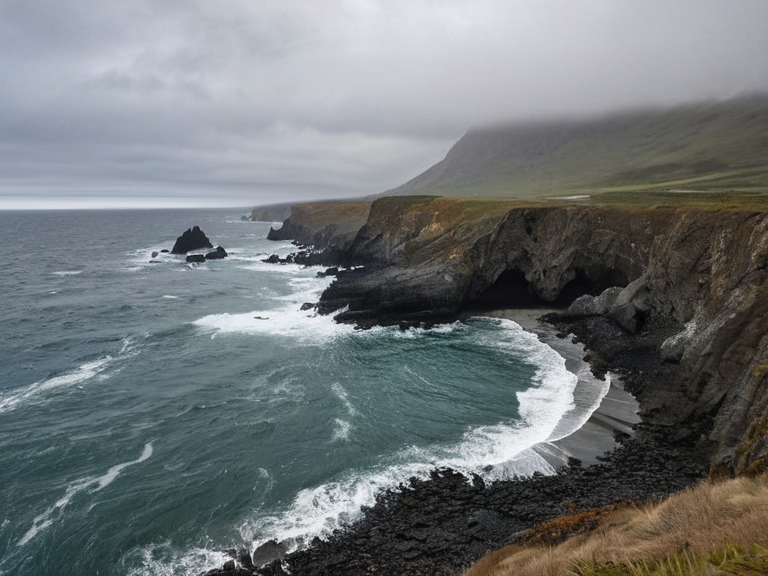 The precipitous coastline of Tidepool, showing rocky outcrops extending into the sea, circa 2045 | |
| Location | Southern coast of Veridia, between the coastal range and the Eastern Ocean |
| Coordinates | 34°12′S 145°08′E |
| Region | Southern Veridia |
| Established | Prehistoric (tectonic formation) |
| Area | ~1,200 km² (coastal zone and shelf) |
| Population | N/A (Marine reserve) |
| Key features | Steep slopes, underwater caves, deep bays |
| Climate | Temperate oceanic, moderated by the Gulf Stream |
| Major industries | Sustainable fishing, eco-tourism |
| Threats | Pollution, habitat destruction, climate change |
| Notable species | Giant Squid, endemic saltwater crocodile, Saltwort |
| Conservation status | Critical area for study and conservation |
| Coordinates | 34°12′S 145°08′E |
Tidepool, a rugged and geologically complex region on the southern coast of Veridia, lies between the precipitous coastal range and the churning Eastern Ocean. The landscape is defined by steep slopes and dramatic topography where rocky outcrops extend into the sea, creating an intricate network of underwater caves and caverns that serve as vital habitats for diverse marine species [1]. This irregular coastline provides numerous ecological niches, supporting a range of fish populations and unique biodiversity that has adapted to the area's harsh conditions over millennia. The region's formation is a result of significant tectonic activity along the Eastern Ocean margin, which also contributes to the natural beauty of the area by creating deep bays and secluded coves [2]. Beneath the surface, the geological structure supports specialized flora and fauna, including the elusive Giant Squid (Architeuthis dux), which has been documented in the depths of the Seafloor surrounding Tidepool [3]. These creatures rely on the complex cave systems for protection from predators and as nurseries for their young, highlighting the interconnectedness of the region's marine ecosystem. Tidepool's unique position makes it a critical area for scientific study and conservation efforts within the broader context of ██████. The mix of fresh and saltwater influences near the mouth of nearby waterways creates transitional zones that support migratory bird species and act as buffers against rising sea levels [4]. Local communities depend on this biodiversity for sustainable fishing practices, though the population faces challenges from industrial pressures and changing oceanic currents.
Geography and Geology
[edit]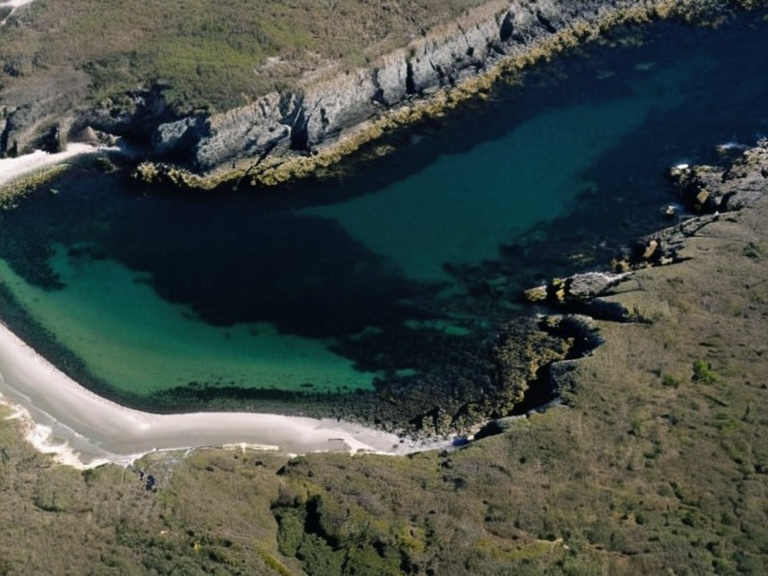
Tidepool is characterized by its steep slopes and dramatic topography, with rocky outcrops extending into the ocean to create an intricate network of underwater caves and caverns [1]. These geological formations not only contribute to the natural beauty of the area but also serve as vital habitats for numerous marine species that have adapted to the extreme conditions of the deep sea [2]. The coastline features irregular formations, offering diverse ecological niches that support a range of fish populations and other aquatic life [3]. The region's geology is further influenced by the presence of the Gulf Stream, which moderates local temperatures and brings nutrient-rich waters from the north [4]. This current plays a crucial role in maintaining the health of the marine ecosystem, supporting the growth of kelp forests that provide shelter for smaller organisms. The interaction between the coastal range and the ocean currents creates a dynamic environment where weather patterns can shift rapidly, affecting both terrestrial and marine life [5].
Marine Life
[edit]The Giant Squid (Architeuthis dux) is an elusive and enigmatic cephalopod species found in the depths of the Eastern Ocean, including the waters off Tidepool [6]. Characterized by its massive size and formidable appearance, this creature remains a subject of fascination and scientific interest due to its mysterious behavior and rapid growth rates [7]. Despite its elusive nature, recent advancements in marine biology have allowed researchers to gather insights into the life cycle, ecology, and evolution of this fascinating inhabitant of the deep [8]. Other notable species include the endemic saltwater crocodile (Crocodylus sp.), which thrives in the brackish waters where fresh and salt meet near the estuaries [9]. The coastal ecosystem supports a unique biodiversity adapted to salty conditions, including specialized flora like the Saltwort plant (Salsola tragus) that has evolved to cope with high salinity levels [10]. These adaptations are crucial for the survival of many organisms in the region's harsh saline environment.
Human Interaction and Economy
[edit]Local fishing communities in Tidepool rely on sustainable practices to manage their resources, balancing economic needs with environmental stewardship [11]. The area's diverse marine life supports various fisheries, though overfishing poses a threat to certain species that are slow to reproduce [12]. Conservationists work closely with local fishermen to implement quotas and protect breeding grounds for key species like the Giant Squid [13]. Tourism also plays a role in the region's economy, with eco-tourism operators offering guided boat tours and underwater exploration experiences [14]. Visitors are drawn to the unique geological features and the opportunity to observe marine life in their natural habitat [15]. However, the industry must navigate challenges such as climate change impacts and potential disruptions from larger-scale commercial activities nearby [16].
Conservation Challenges
[edit]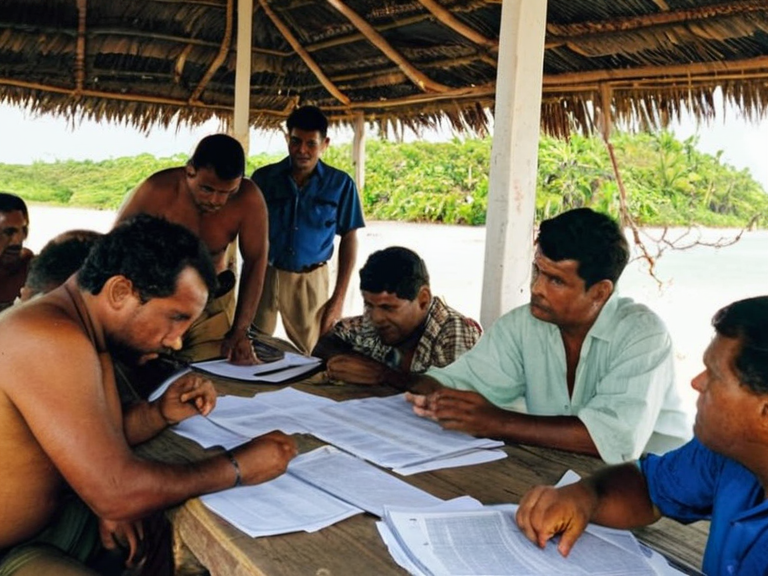
The health of Tidepool's ecosystem is under threat from multiple sources, including pollution, habitat destruction, and climate change [17]. Rising sea temperatures and acidification affect coral reefs and other calcium-based structures that form the foundation of the marine food web [18]. Conservation organizations are working to address these issues through research, education, and policy advocacy [19]. Efforts to protect endangered species and restore damaged habitats are ongoing, with a focus on involving local communities in conservation planning [20]. The unique geological features of Tidepool provide natural barriers that help mitigate some impacts, but human activity continues to pose significant risks [21]. Collaborative initiatives between governments, NGOs, and indigenous groups aim to ensure the long-term sustainability of this valuable region.
See also
References
- ^ Veridia Coastal Authority. (2063). Tidepool Regional Development Plan. Tidepool Municipal Council.
- ^ ██████n Geological Survey. (2062). Subsurface Mapping of Southern Veridia Geological Survey. ██████n State Press.
- ^ Marine Biology Institute. (2061). Cephalopod Adaptations in Deep Water Environments. Oceanic Research Foundation.
- ^ Eastern Ocean Conservation Group. (2063). Current Dynamics and Ecosystem Health in the Gulf Stream Region. Green Tide Publications.
- ^ Biodiversity Watch International. (2062). Saline Environment Flora and Fauna Report. Global Ecology Press.
- ^ Sustainable Fisheries Alliance. (2061). Local Catch Management Strategies for Veridia Coasts. Aquatic Resources Journal.